 ENG
 INA
Addressing Neck Fatigue in Office Workers Through "Ergo-Exercise": An Open Doctoral Defense at the Faculty of Medicine, Udayana University
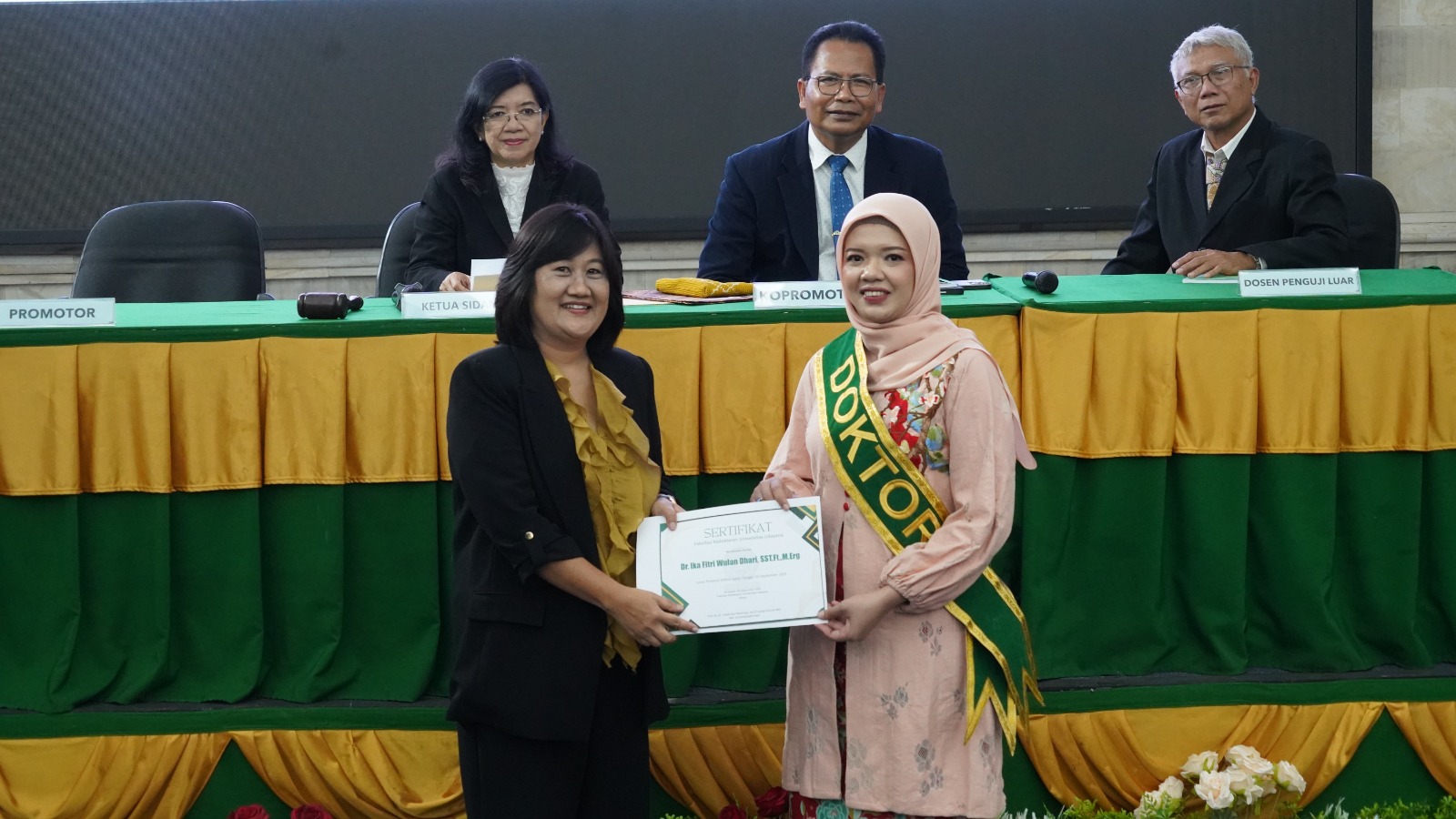
Addressing Neck Fatigue in Office Workers Through "Ergo-Exercise": An Open Doctoral Defense at the Faculty of Medicine, Udayana University
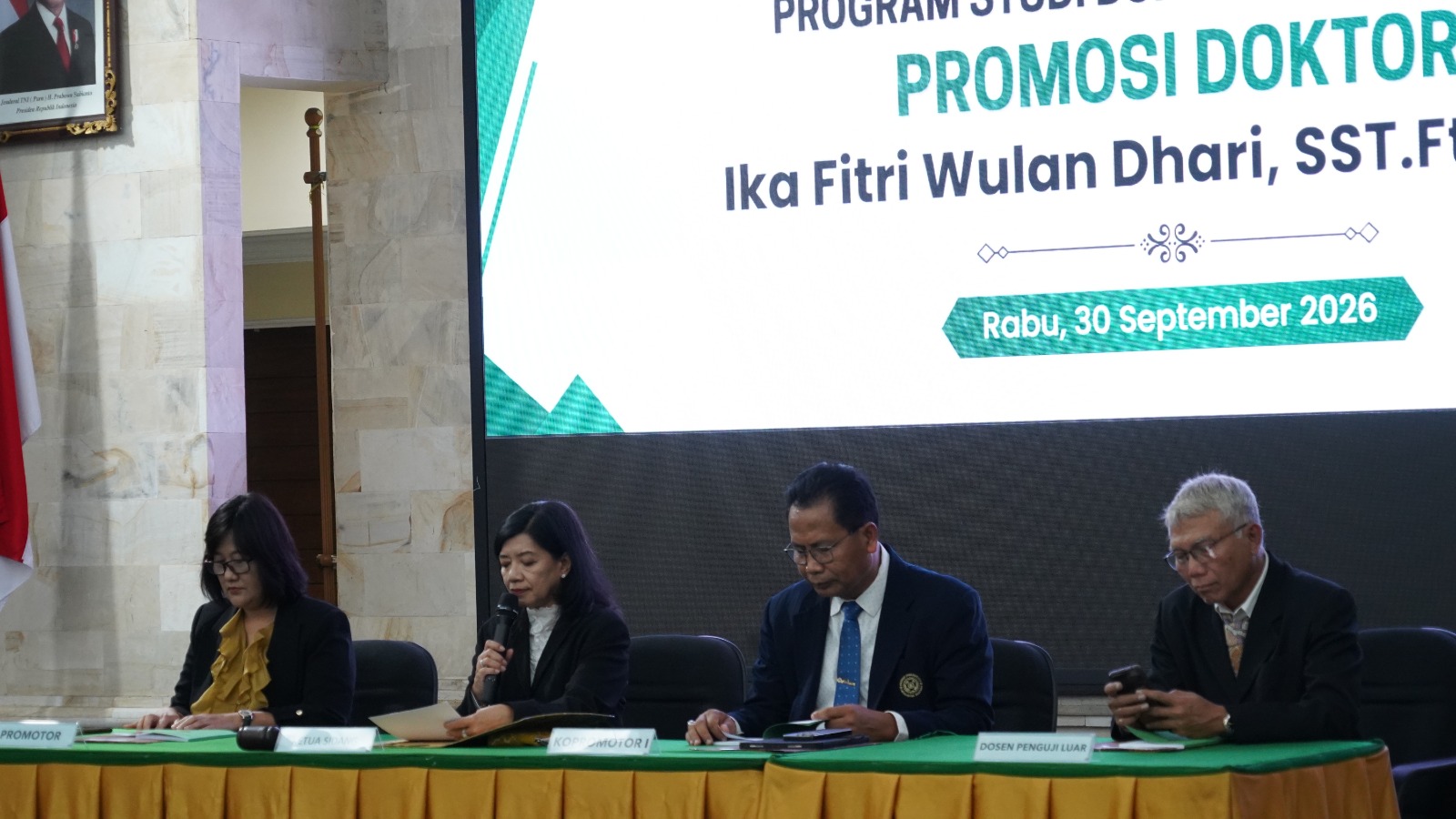
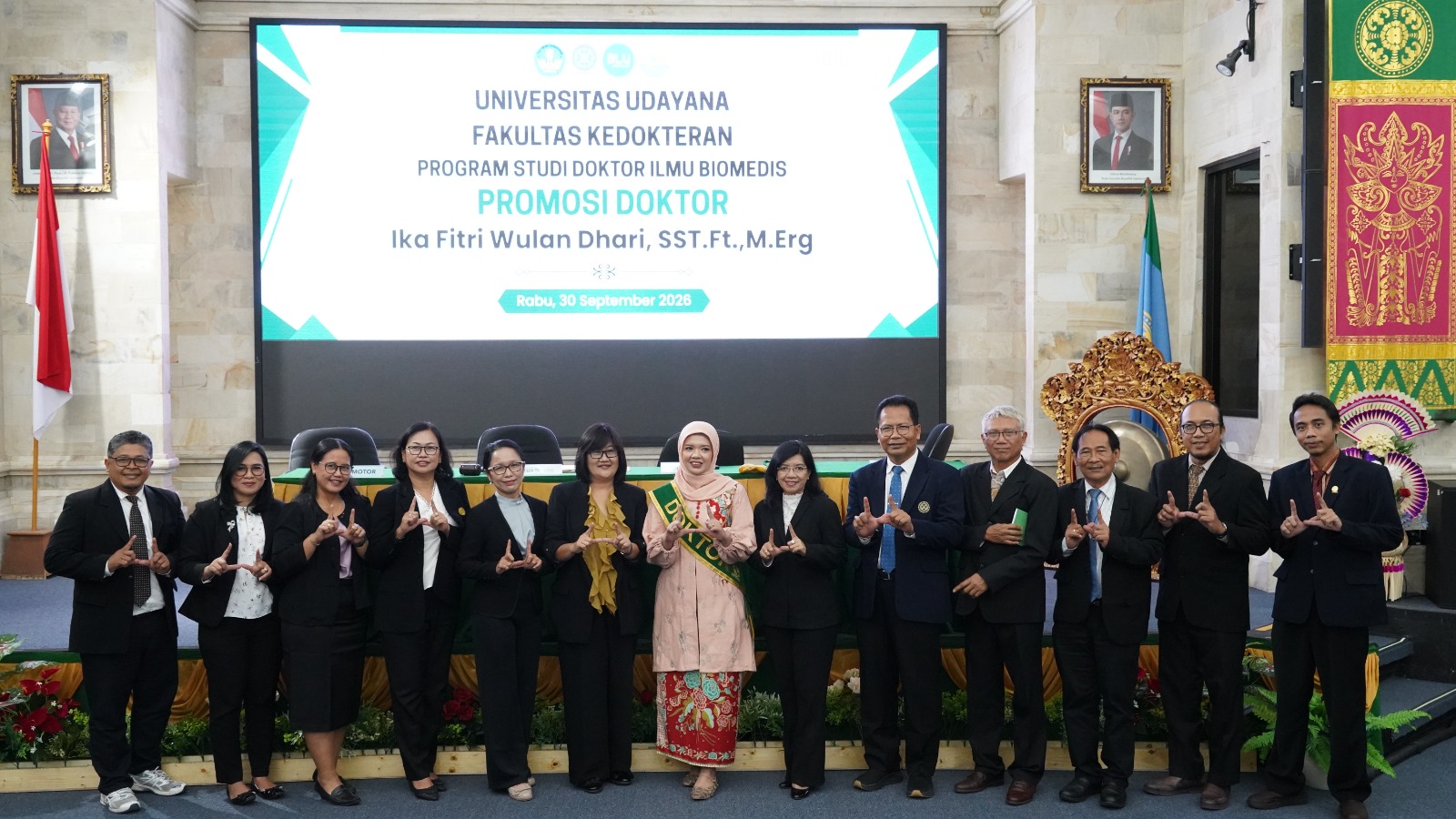
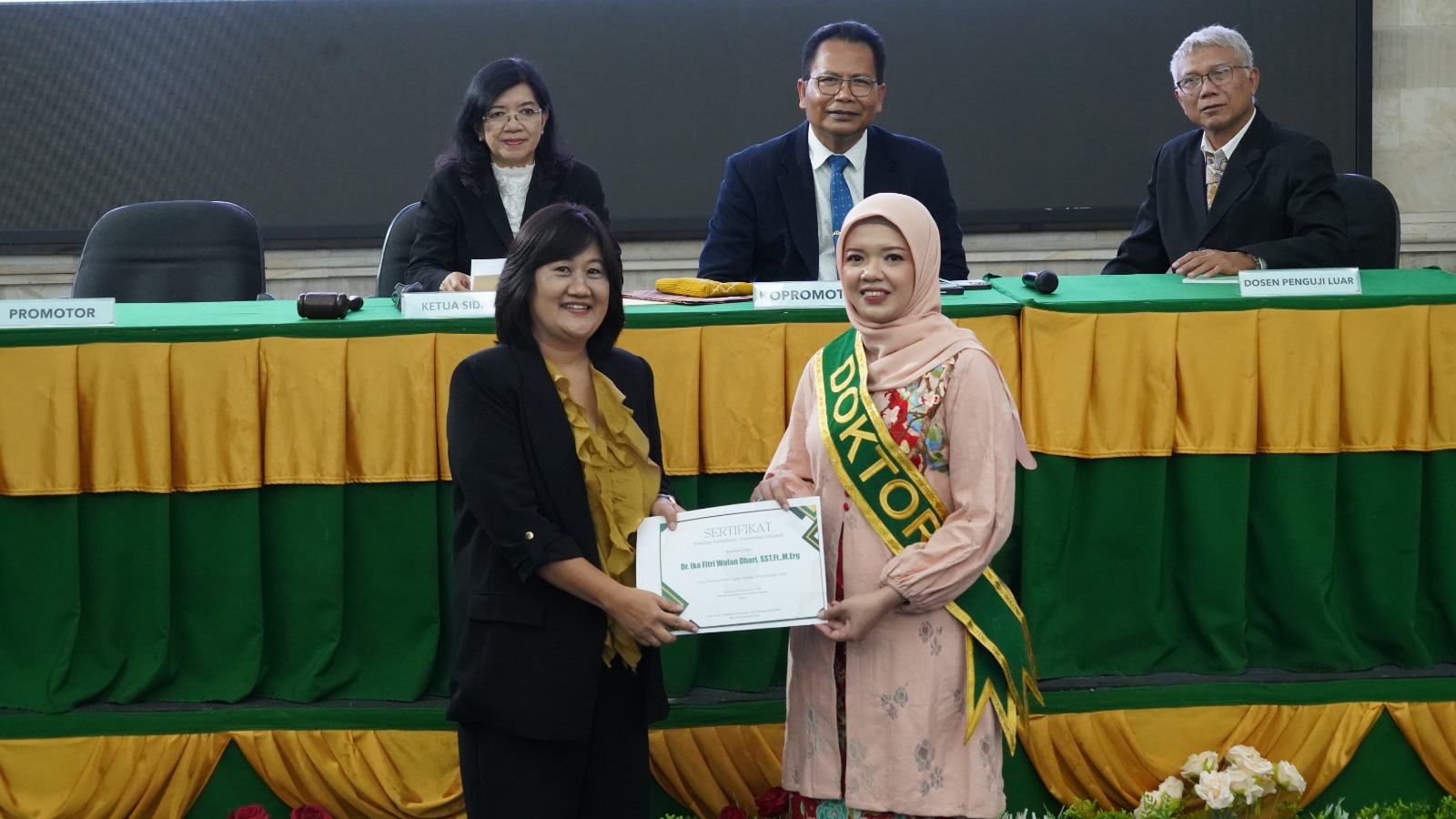
Held in the Dr. A.A. Made Djelantik Meeting Room on the 4th floor of the Faculty of Medicine building at Udayana University (Jl. PB Sudirman, Denpasar, Bali), the Doctoral Study Program in Biomedical Sciences hosted an open doctoral defense for candidate Ika Fitri Wulan Dhari, SST.Ft., M.Erg. Her dissertation is titled "The Application of 'Ergo-Exercise' on Upper Trapezius Muscle Fatigue, Craniovertebral Angle, and Neck Functional Ability in Office Workers Using Laptops." (September 30, 2026)
Technological advancements have led to increased laptop usage and prolonged static postures among office workers. This can trigger low-level muscle contractions (LLMC) in the upper trapezius muscles, compromise head alignment, and limit work-related activities. This study aimed to evaluate the impact of an "Ergo-Exercise" regimen—based on a Total Ergonomic Approach (TEA)—on upper trapezius muscle fatigue, the craniovertebral angle (CVA), and neck functional ability in office workers who use laptops.
The study employed a within-subject design involving 38 participants. It consisted of a four-week period without intervention (Period 1), a two-week washout period, and a four-week period with the intervention (Period 2). The "Ergo-Exercise" program integrated ergonomic education (supported by leaflets), workstation adjustments, and six-minute "active microbreaks" taken every 90 minutes. Muscle fatigue was assessed using surface electromyography (measured as a percentage of the Root Mean Square, or %RMS, normalized against the Maximum Voluntary Isometric Contraction, or MVIC); the craniovertebral angle (CVA) was measured via APECS photogrammetry; and neck functional ability was evaluated using the Patient-Specific Functional Scale (PSFS). The results indicate that Ergo-Exercise reduced the cumulative %RMS of the upper trapezius by 27.85% on Mondays and 25.36% on Fridays during the intervention period (p=0.001 and p< 0.001, respectively), increased the craniovertebral angle (CVA) by 3.42° (p< 0.001), and improved the Patient-Specific Functional Scale (PSFS) score by 2.59 points (p< 0.001). Thus, the application of Ergo-Exercise is effective in reducing upper trapezius muscle fatigue, increasing the craniovertebral angle, and enhancing the functional capacity of the neck in office workers who use laptops.
This examination was chaired by the Coordinator of the Doctoral Program in Biomedical Sciences at the Faculty of Medicine, Udayana University, Prof. Dr. dr. Desak Made Wihandani, M.Kes., with an examination committee consisting of:
1. Prof. Dr. dr. Susy Purnawati, MKK (Promoter)
2. Prof. Dr. dr. I Putu Gede Adiatmika, M.Kes (Co-Promoter I)
3. Prof. dr. I Made Ady Wirawan, S.Ked., MPH., Ph.D., Sp.KKLP (Co-Promoter II)
4. Prof. Dr. dr. I Made Jawi, M.Kes
5. Prof. Dr. dr. I Wayan Putu Sutirta Yasa, M.Si
6. Prof. Dr. dr. I Made Muliarta, S.Ked., M.Kes
7. Prof. Dr. Drs. I Nyoman Artayasa, M.Kes
8. Dr. Ir. Ida Bagus Alit Swamardika, M.Erg., IPM, ASEAN.Eng
9. Dr. dr. Luh Putu Ratna Sundari, M.Biomed
10. Dr. dr. I Putu Adiartha Griadhi, M.Fis., AIFO., S.Ked
With the following academic examiners:
1. Dr. dr. I Gusti Ayu Widianti, M.Biomed
2. Dr. dr. I Made Krisna Dinata, M.Erg
3. Dr. drg. Putu Lestari Sudirman, SKG., M.Biomed.
4. Dr. Ns. Ni Ketut Guru Prapti, S.Kep., MNS
5. Dr. I Made Kerta Duana, SKM., MPH.
In this examination, Dr. Ika Fitri Wulan Dhari, SST.Ft., M.Erg., was declared to have passed, becoming the 510th graduate of the Doctoral Program in Biomedical Sciences at the Faculty of Medicine, Udayana University, with the distinction of "very satisfactory."
Gallery
UDAYANA UNIVERSITY