 ENG
 INA
Bachelor of Public Health Study Program at the Faculty of Medicine, Udayana University (FK Unud), Hosts Guest Lecture on "Children's Health from the Prenatal Period: Focused on Plastic Additives"
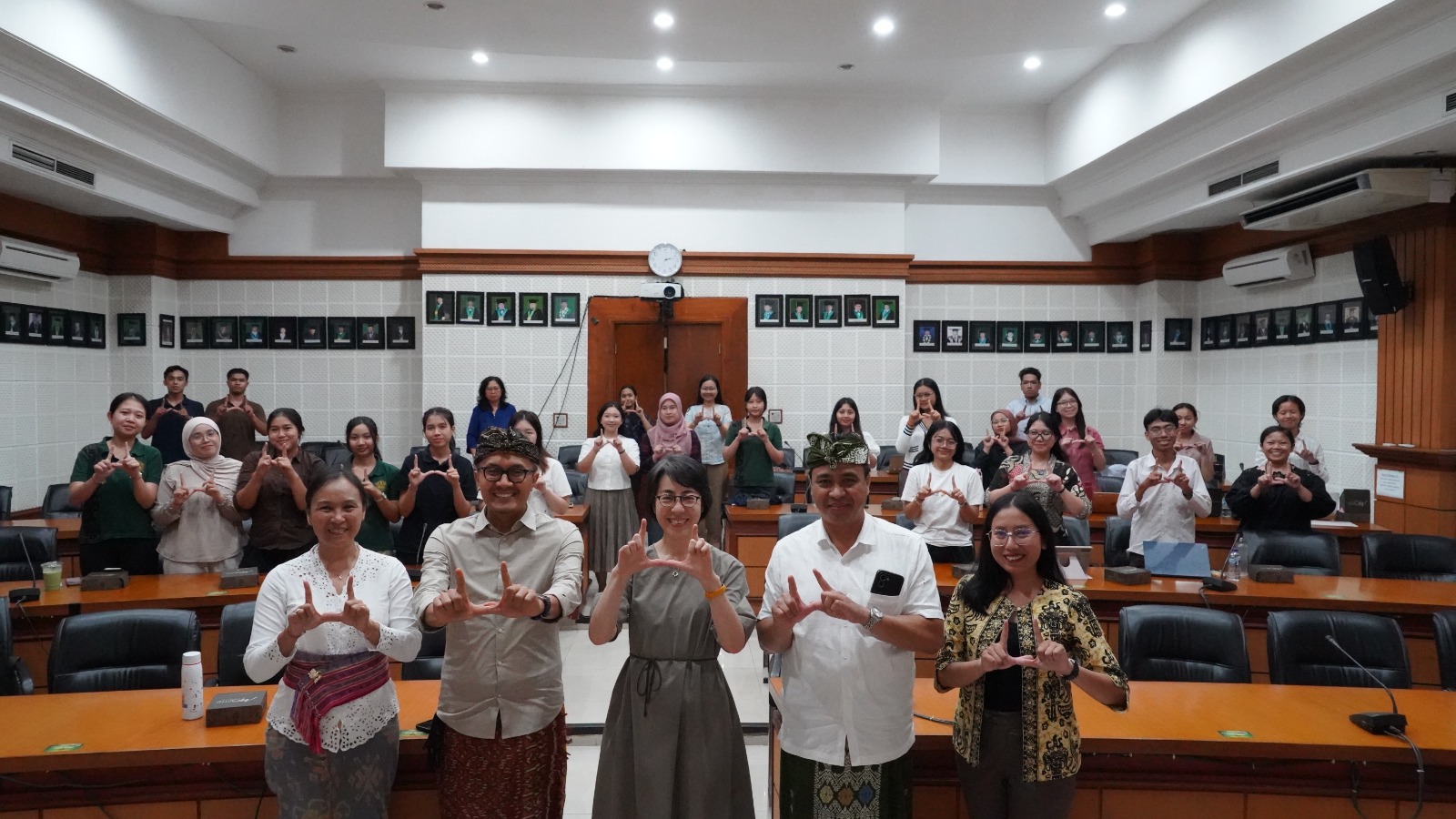
Bachelor of Public Health Study Program at the Faculty of Medicine, Udayana University (FK Unud), Hosts Guest Lecture on "Children's Health from the Prenatal Period: Focused on Plastic Additives"
The Bachelor of Public Health Study Program (PSSKM) at the Faculty of Medicine, Udayana University, held a guest lecture titled "Children's Health from the Prenatal Period: Focused on Plastic Additives." The event took place in the Prof. Dr. I Goesti Ngoerah Gde Ngoerah meeting room, located on the 4th floor of the Faculty of Medicine building at the Sudirman Campus, Denpasar (November 12, 2026).
This activity aimed to enhance the understanding and awareness of the PSSKM academic community regarding the impact of exposure to chemical additives found in plastics on children's health, starting from the prenatal period (pregnancy). Through presentations based on the latest scientific evidence, participants were encouraged to identify the mechanisms by which pregnant women and fetuses are exposed to harmful compounds—such as bisphenols (BPA) and phthalates—understand the risks of long-term developmental disorders, and formulate effective public health prevention and education strategies to safeguard the health of mothers and children.
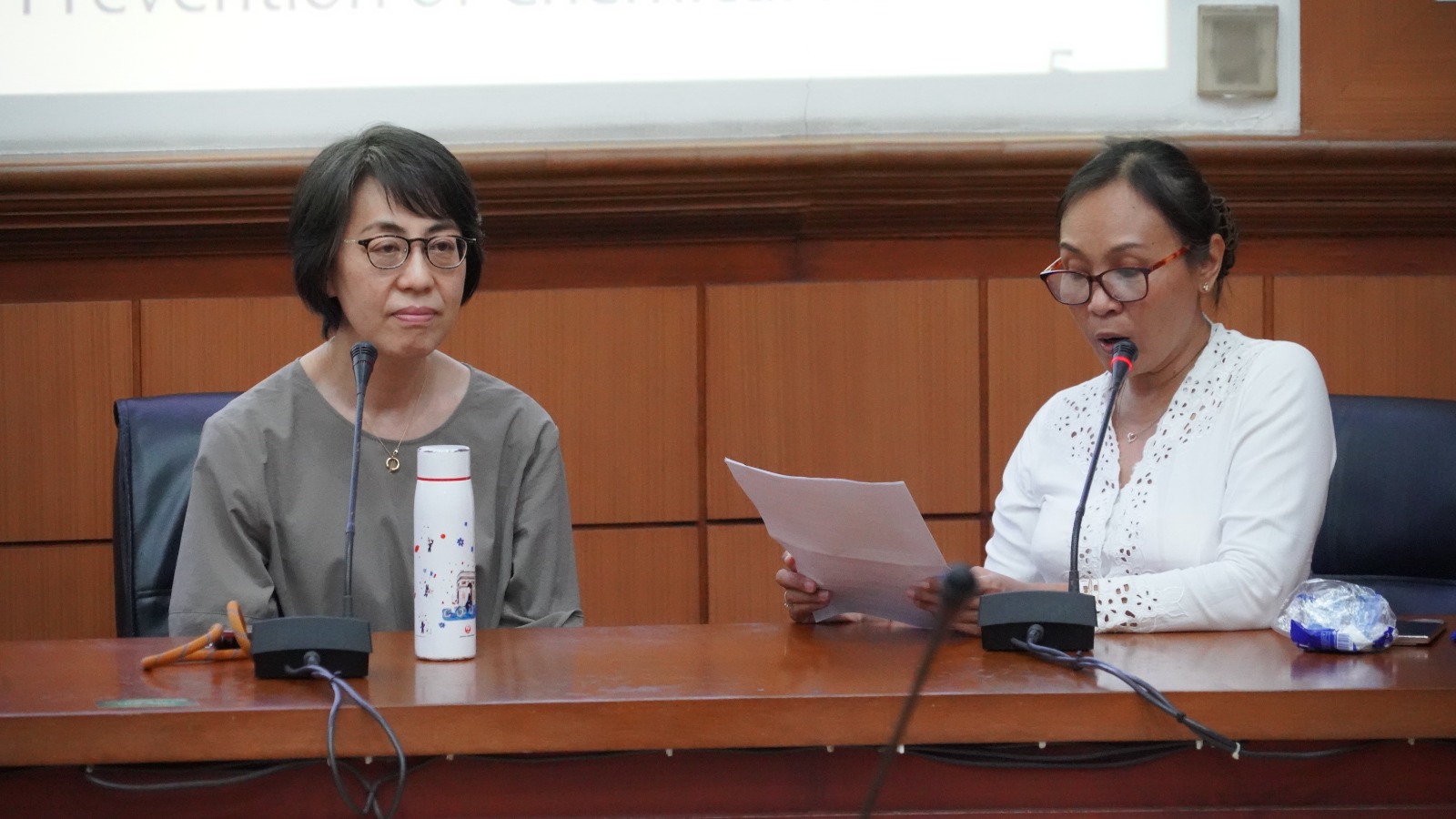
The guest lecture featured Prof. Atsuko Ikeda, Ph.D., from the Faculty of Health Sciences at Hokkaido University, Japan, who presented on the topic "Children's Health from the Prenatal Period: Focused on Plastic Additives." The session was moderated by Ni Made Utami Dwipayanti, S.T., M.BEnv., Ph.D.
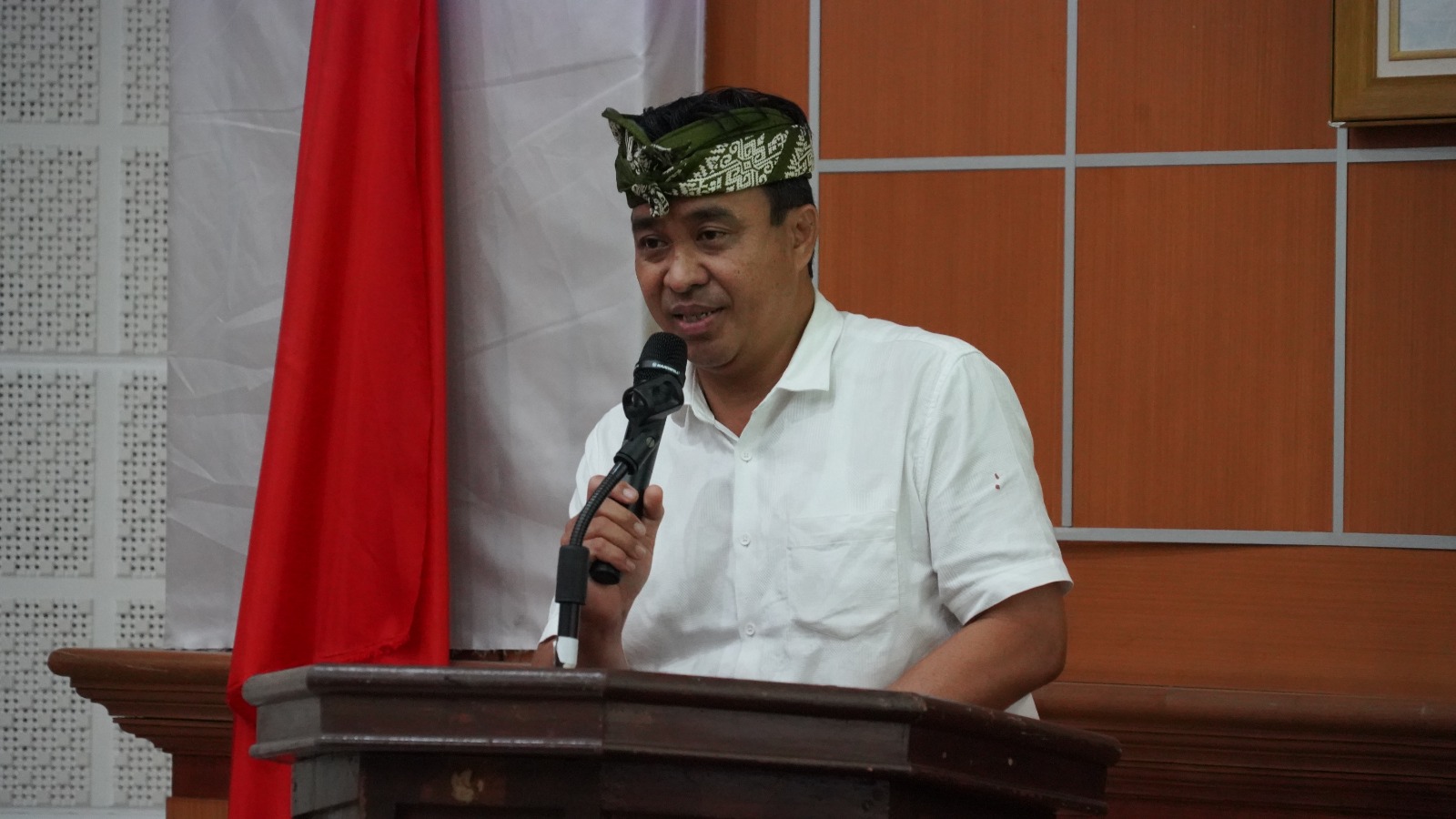
The event opened with remarks from the Vice Dean for Planning, Resources, and Partnerships, Prof. Dr. dr. I Made Muliarta, S.Ked., M.Kes. In his address, he discussed the impact of plastic usage in modern life—ranging from households and healthcare facilities to educational institutions—on human health and environmental sustainability. He specifically highlighted the importance of protecting vulnerable groups, namely mothers and children, and emphasized the role of gender equality in environmental conservation efforts. “It is hoped that students participating in this guest lecture will exchange ideas, broaden their horizons, and build positive collaborative networks to seek new perspectives on protecting vulnerable groups from the impacts of environmental crises,” stated Prof. Dr. dr. I Made Muliarta, S.Ked, M.Kes.
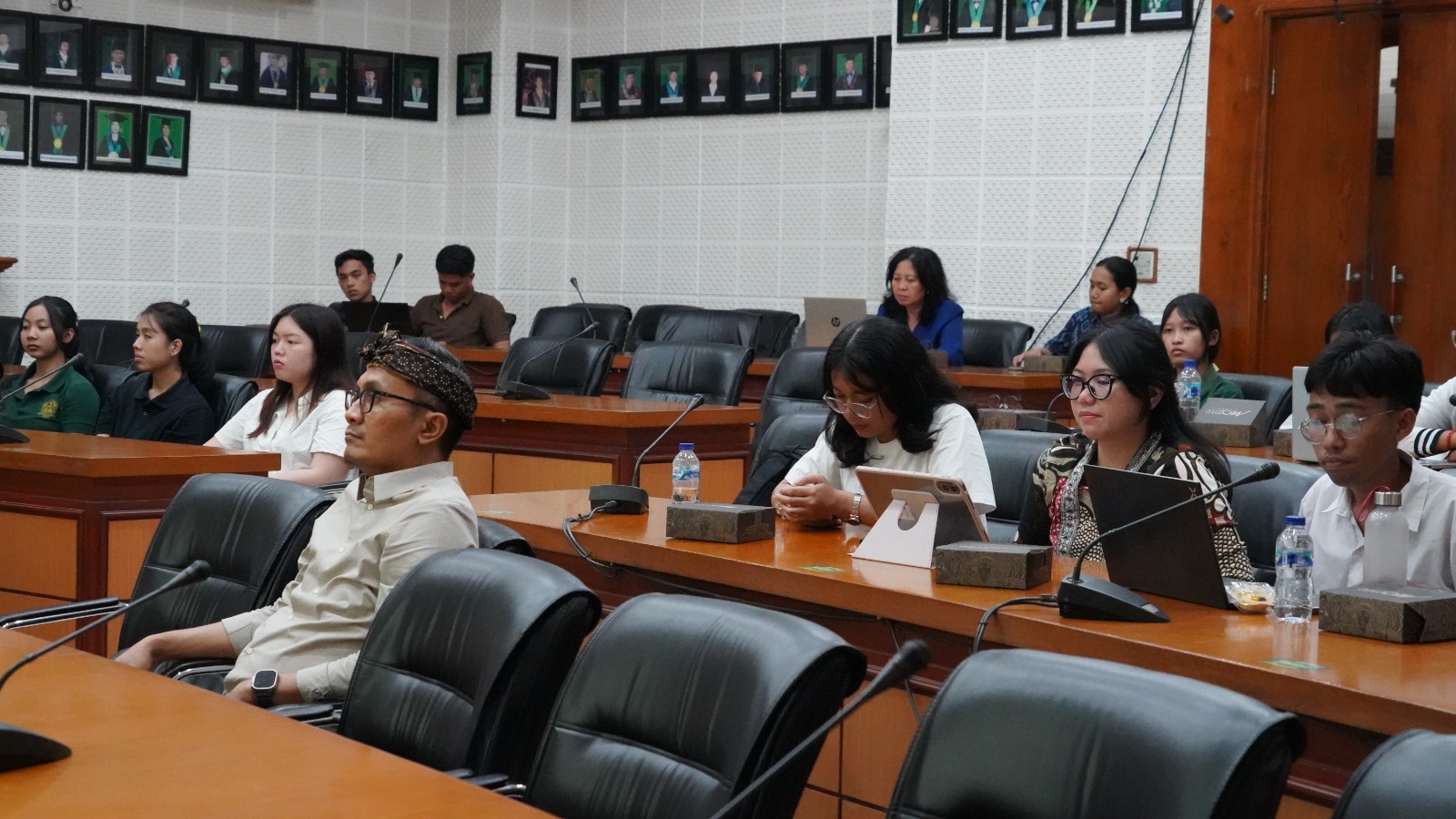
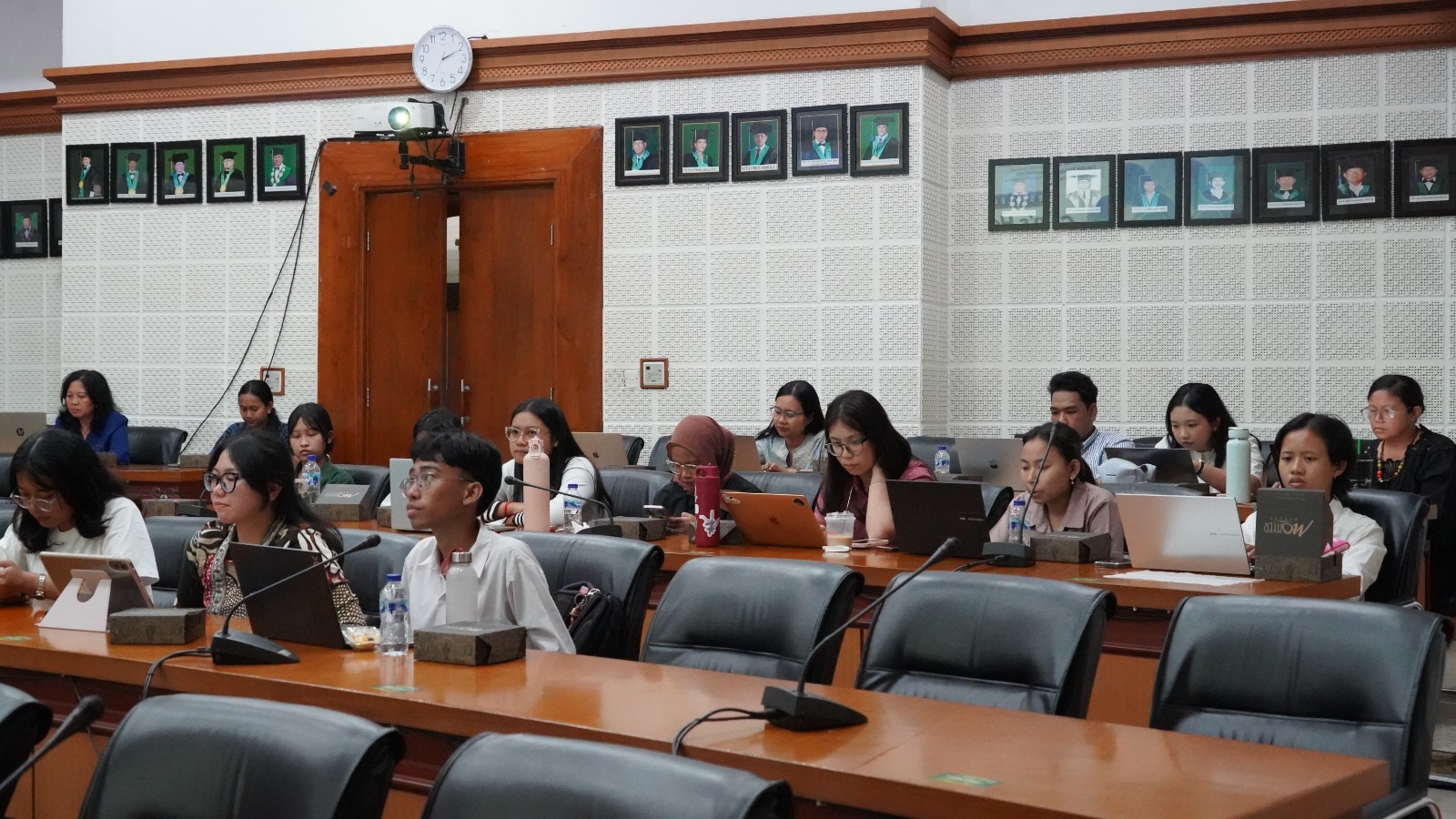
This guest lecture was attended by students and faculty members from the Bachelor of Public Health Study Program at the Faculty of Medicine, Udayana University.
Gallery
UDAYANA UNIVERSITY