 ENG
 INA
Examining the Potential of *Euphorbia tirucalli* (Patah Tulang) Extract for Nasopharyngeal Epithelial Protection: Dr. I Ketut Suanda Earns Doctoral Degree from the Faculty of Medicine, Udayana University
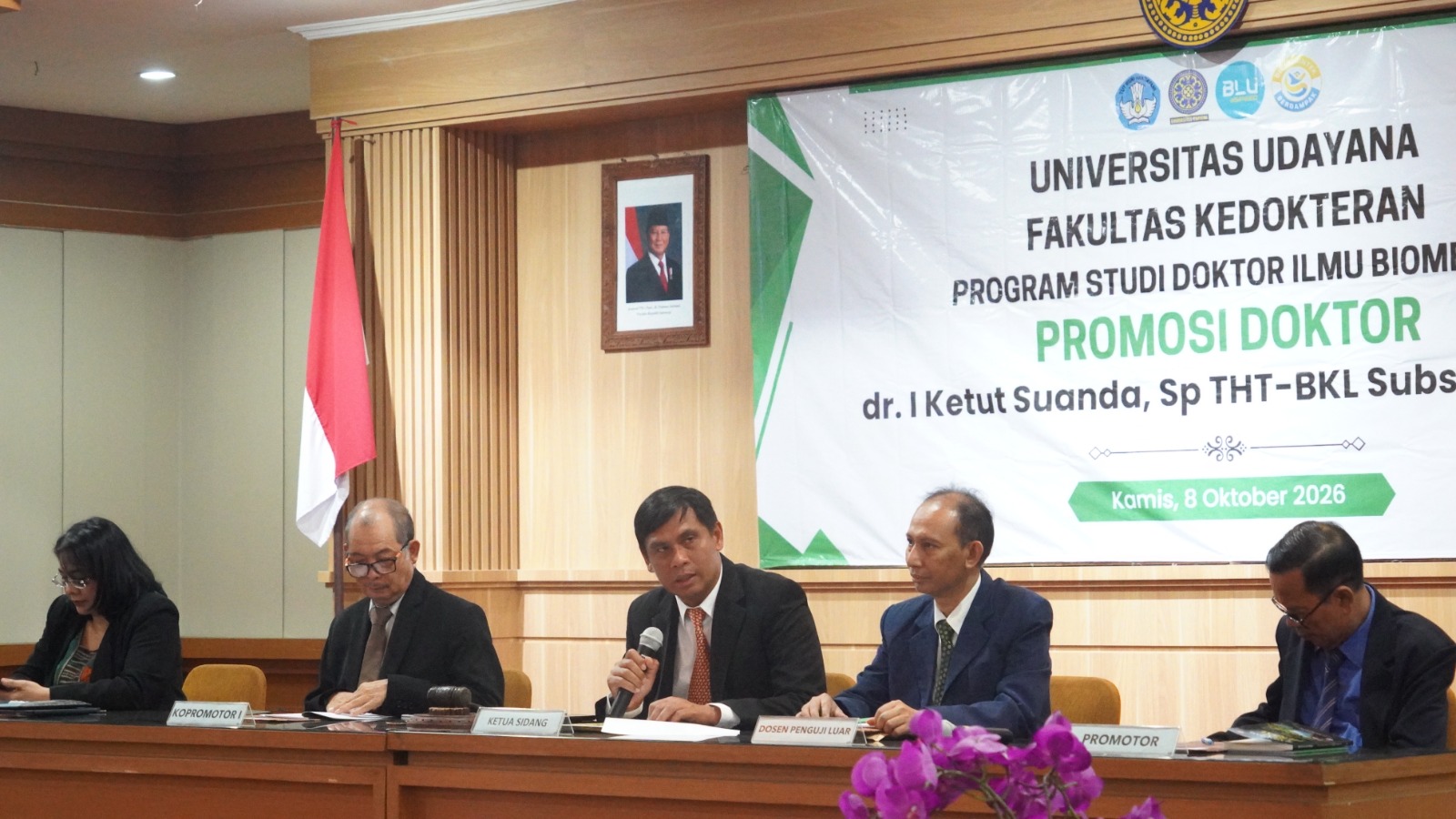
Examining the Potential of *Euphorbia tirucalli* (Patah Tulang) Extract for Nasopharyngeal Epithelial Protection: Dr. I Ketut Suanda Earns Doctoral Degree from the Faculty of Medicine, Udayana University
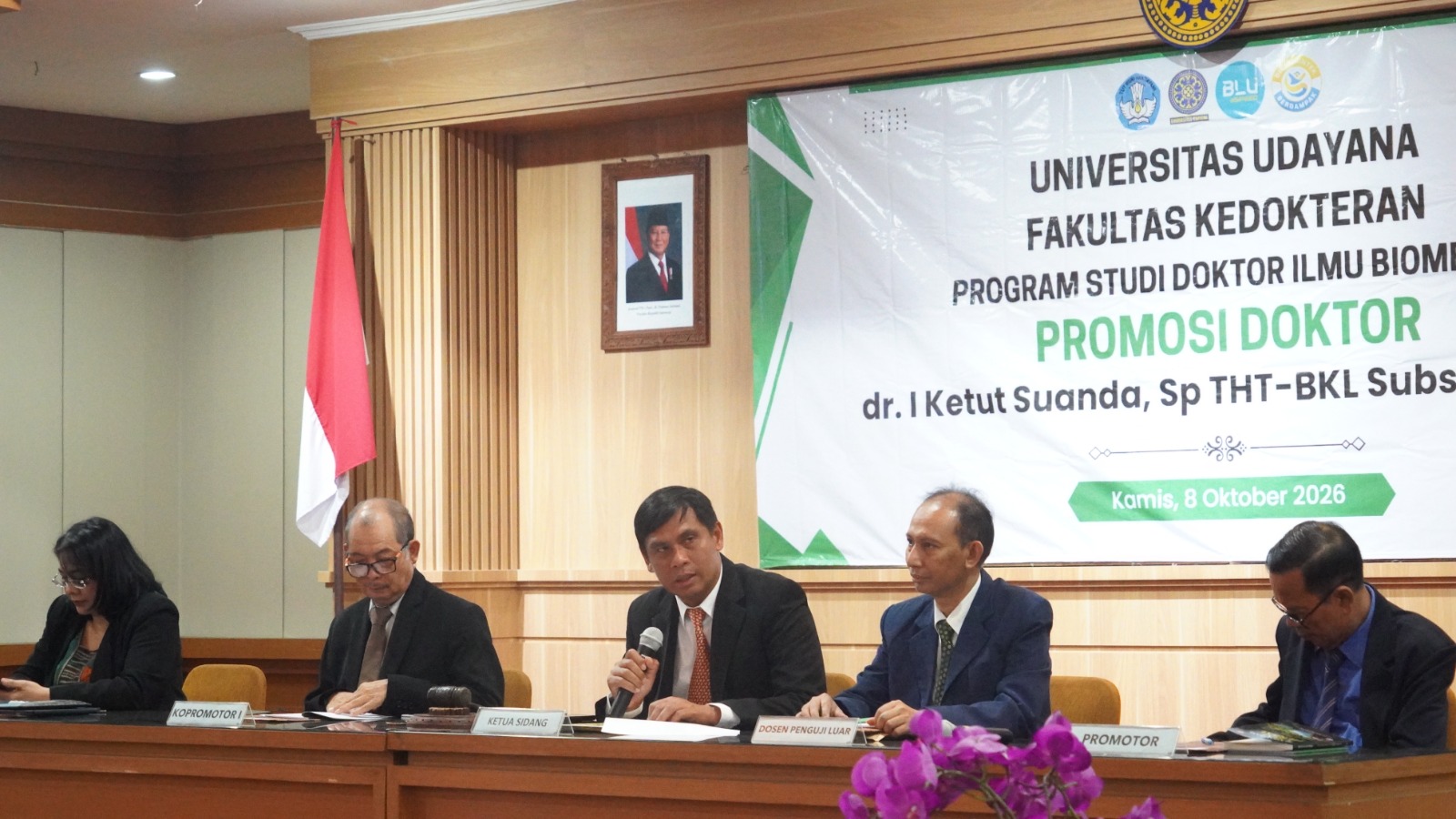
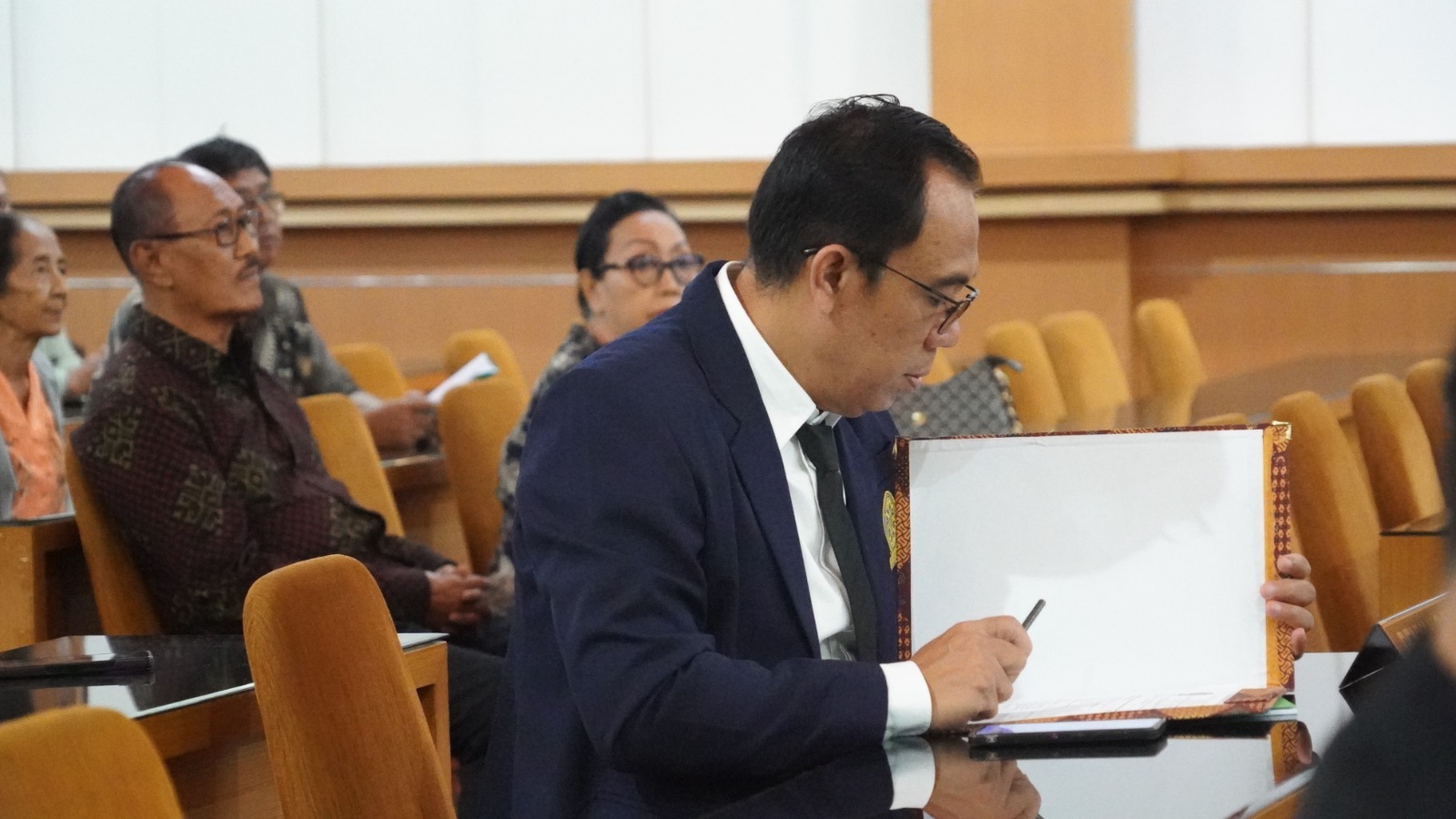
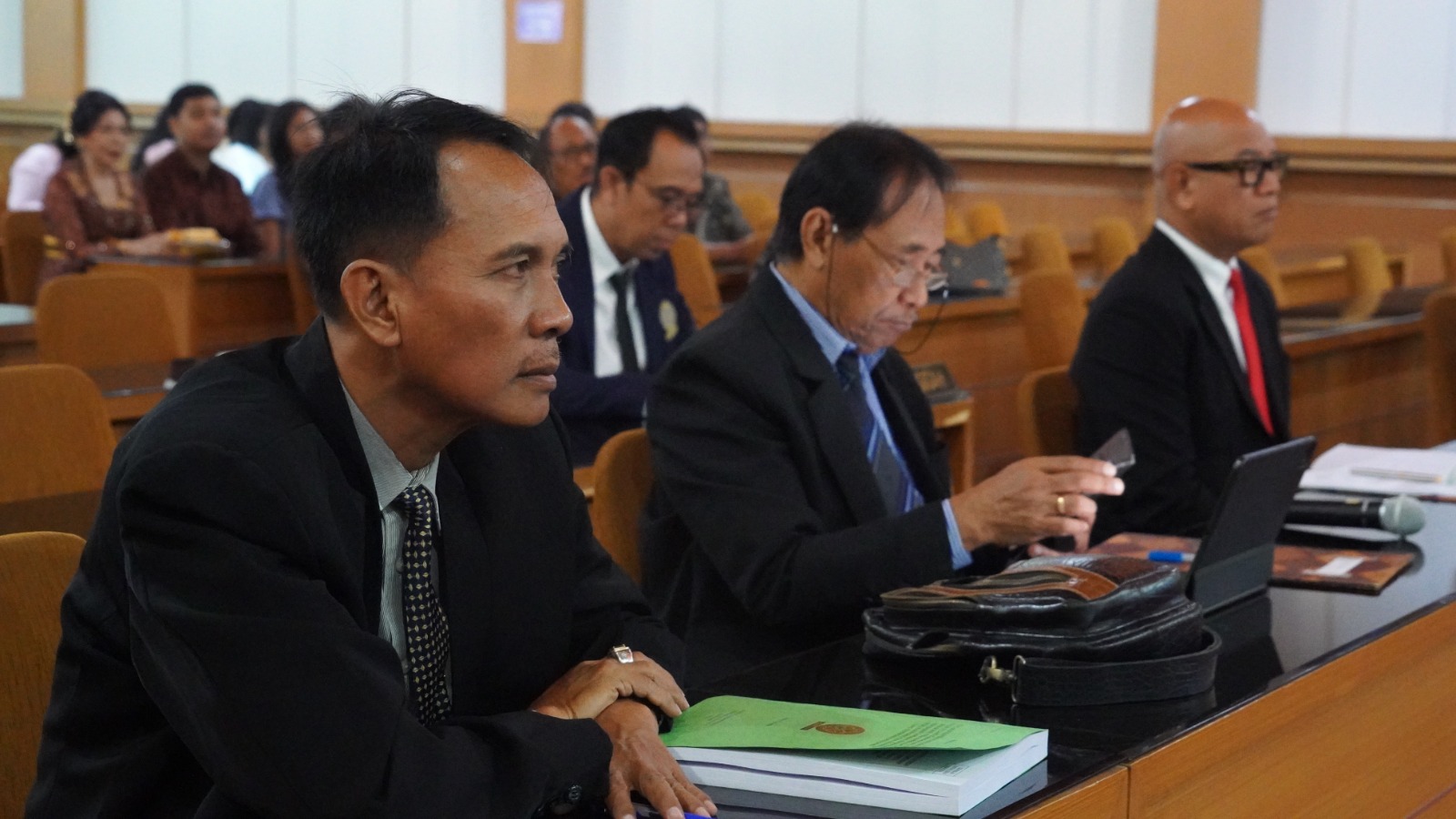
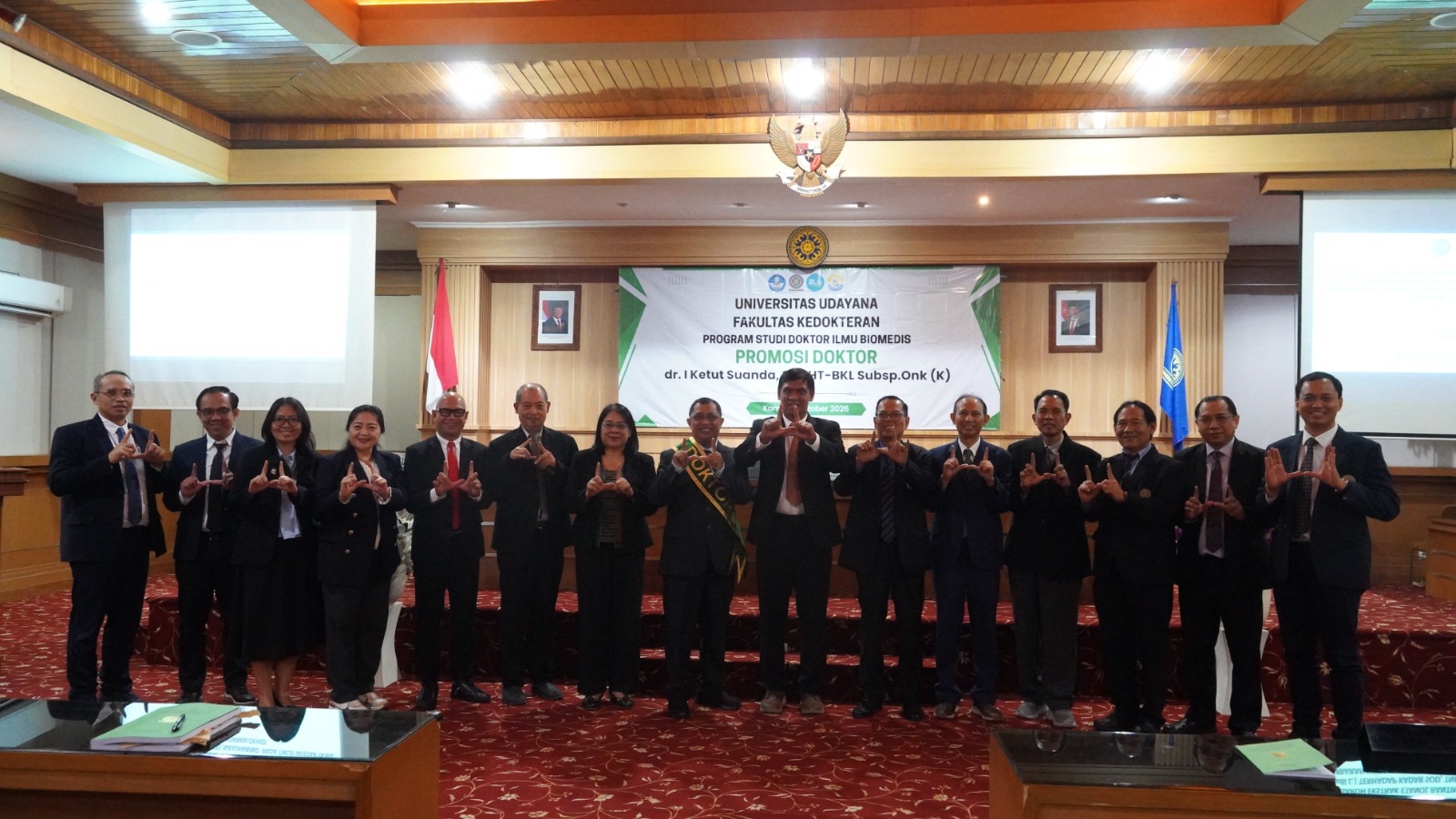
Held in the 3rd-floor meeting room of the Postgraduate Program building at Udayana University (Jl. PB Sudirman, Denpasar, Bali), the Doctoral Study Program in Biomedical Sciences at the Faculty of Medicine, Udayana University, conducted an open doctoral defense for candidate Dr. I Ketut Suanda, Sp.THT-BKL, Subsp.Onk. His dissertation is titled, "The Effect of Ethanolic Extract of *Euphorbia tirucalli* L. (Patah Tulang) Twigs on SOD Levels, TNF-α, Ki-67 Expression, and Histopathological Changes in the Nasopharyngeal Epithelium of Formaldehyde-Induced Wistar Rats." (October 8, 2026)
Nasopharyngeal carcinoma (NPC) is a malignant tumor of the nasopharyngeal mucosal epithelium with a high incidence rate in Southeast Asia, including Indonesia. Exposure to formaldehyde—an environmental risk factor—induces oxidative stress, chronic inflammation, and cellular proliferation, which can drive the dysplastic transformation of the nasopharyngeal epithelium. The extract of *Euphorbia tirucalli* L. (patah tulang) twigs contains flavonoids and polyphenols, which possess potential antioxidant and anti-inflammatory properties. This study aimed to investigate the effects of administering an ethanolic extract of *Euphorbia tirucalli* twigs on superoxide dismutase (SOD) levels, tumor necrosis factor-alpha (TNF-α), Ki-67 expression, and histopathological changes in the nasopharyngeal mucosal epithelium of formaldehyde-induced Wistar rats.
This research was an experimental study utilizing a randomized posttest-only control group design. The subjects were 28 male Wistar rats (*Rattus norvegicus*), randomly divided into four groups: a negative control group (K0) receiving neither formaldehyde induction nor the extract; a positive control group (K1) induced with 20 ppm formaldehyde for 16 weeks without the extract; a treatment group (P1) induced with formaldehyde and administered the extract at a dose of 125 mg/kg body weight/day for 18 weeks; and a treatment group (P2) induced with formaldehyde and administered the extract at a dose of 250 mg/kg body weight/day for 18 weeks.
The results indicate that the administration of the ethanolic extract of *Euphorbia tirucalli* (pencil tree/patah tulang) twigs significantly increased SOD levels and decreased TNF-α levels in a dose-dependent manner, with the most pronounced effect observed at a dose of 250 mg/kg body weight/day (p < 0.001). Paradoxically, however, Ki-67 expression increased significantly in the treatment groups—most notably at the 250 mg/kg body weight/day dose (p < 0.001)—which is interpreted as a mechanism of tissue regeneration. Histopathological examination revealed a significant improvement in the grade of dysplasia among the treatment groups; specifically, the P2 group showed a complete resolution of severe dysplasia (χ² = 13.13; p = 0.041). Path analysis demonstrated that SOD exerted the greatest influence on the improvement of dysplasia grades, with the overall model proving statistically significant (F = 5.072; p = 0.007; R² = 0.388). These findings suggest that the optimal dose for providing a protective effect against histopathological changes in the nasopharyngeal epithelium is 250 mg/kg body weight/day, with the underlying mechanism primarily driven by an enhancement in antioxidant capacity.
This examination was chaired by the Dean of the Faculty of Medicine, Udayana University, Prof. Dr. dr. I Gede Eka Wiratnaya, Sp.OT., Subsp.Onk.Ort.R(K)., with a team of examiners:
1. Prof. Dr. Dr. I Made Jawi, M.Kes (Promoter)
2. Prof. drh. I Nyoman Mantik Astawa, Ph.D (Copromoter I)
3. Prof. Dr. Dr. Ni Nyoman Sri Budayanti, Sp.MK (K) (Copromotor II)
4. Prof. Dr. Dr. I Wayan Putu Sutirta Yasa, M.Si
5. Prof. Dr. Dr. I Made Sudarmaja, M. Kes
6. Prof. Dr. Dr. Hamsu Kadriyan, M.Kes., Sp.THT-KL(K)
7.Dr. Dr. Ni Putu Sriwidyani, Sp.PA., Subsp.S.M.(K)
8.Dr. Dr. I Nyoman Gede Budiana, Sp.OG., Subsp.Onk
9.Dr. Dr. I Wayan Eka Sutyawan, Sp.M(K)
By academic invitation:
1.Dr. Dr. I Made Gede Widnyana, M.Kes., Sp.An-TI, Subsp.An.R(K)
2.Dr. Dr. Sari Wulan Dwi Sutanegara, Sp.THT-BKL., Subsp.Rhino(K)
3.Dr. Dr. Made Agus Hendrayana, M.Ked.
4.Dr. Dr. I Wayan Lolik Lesmana, M.Biomed., Sp.THT-BKL., Subsp.Onk(K)
5.Dr. Dr. Made Lely Rahayu, Sp.THT-BKL., Subsp.Oto.
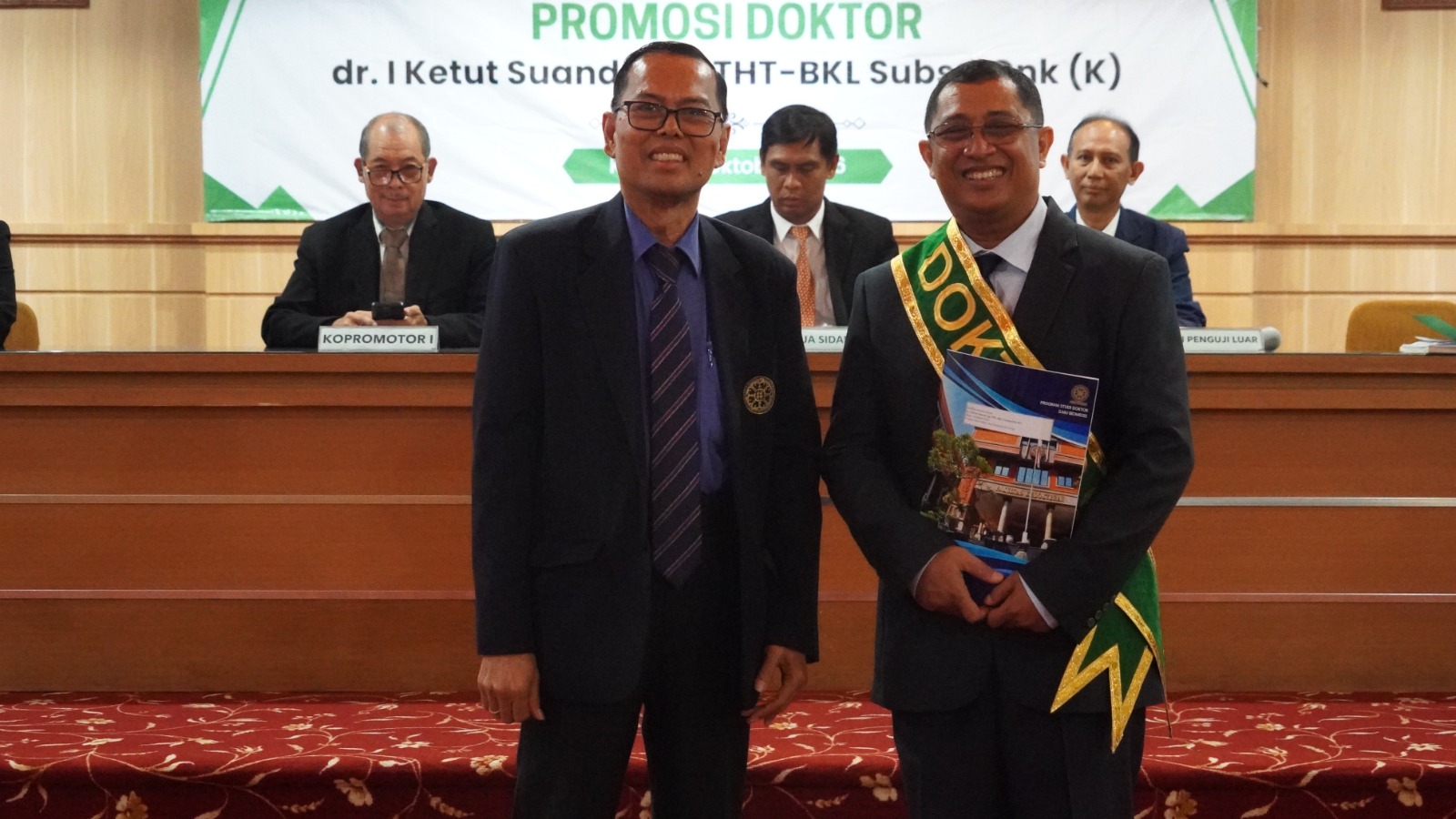
In this exam, Dr. Dr. I Ketut Suanda, Sp.THT-BKL, Subsp.Onk., has successfully graduated as the 511th Doctor from the Doctoral Program in Biomedical Sciences at the Faculty of Medicine, Udayana University, earning the distinction of "very satisfactory."
Gallery
UDAYANA UNIVERSITY