 ENG
 INA
Integrative Anti-Aging Approach: The Role of Hormones, Nutrition, and Cosmetic Applications
Integrative Anti-Aging Approach: The Role of Hormones, Nutrition, and Cosmetic Applications
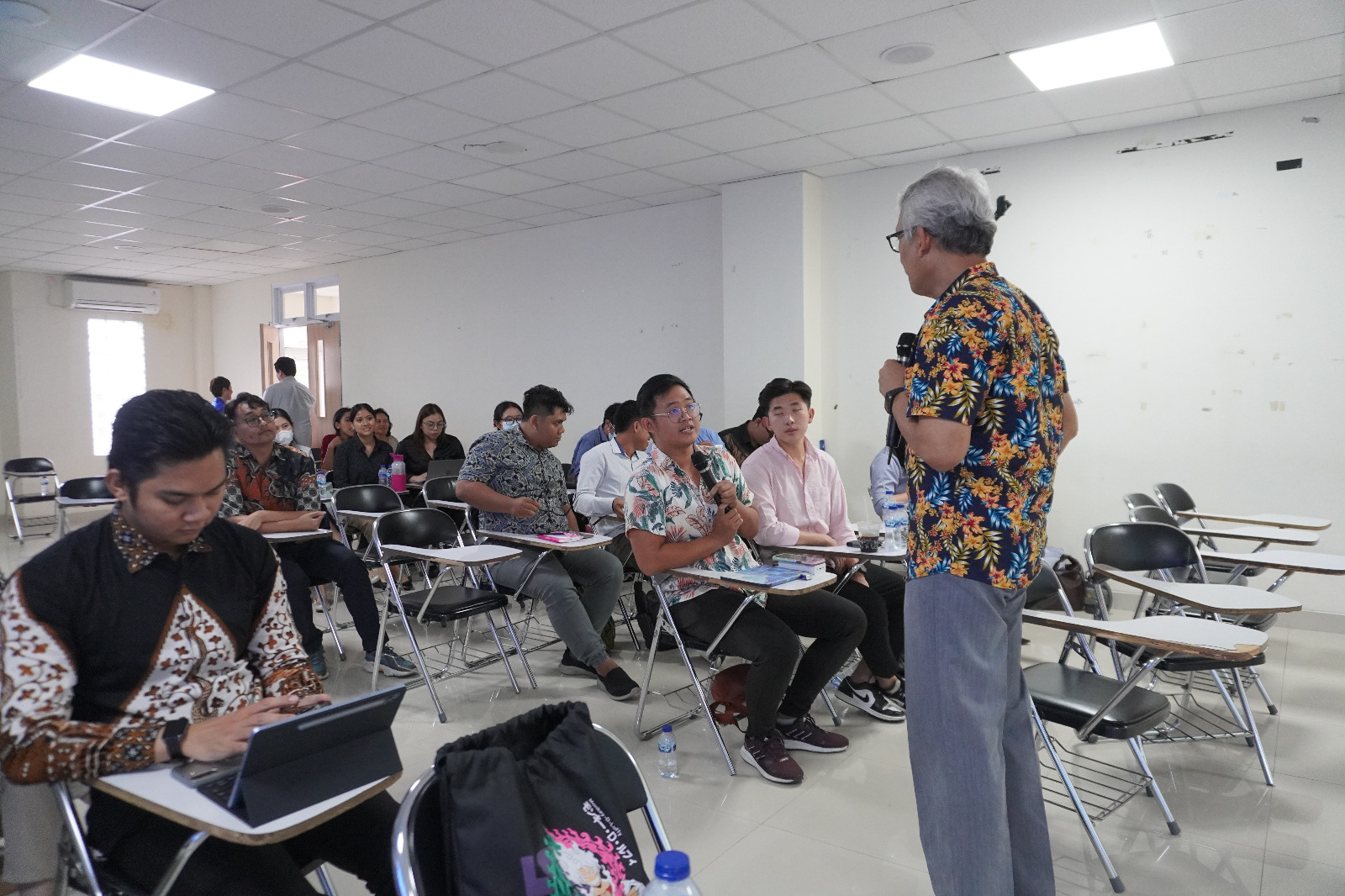
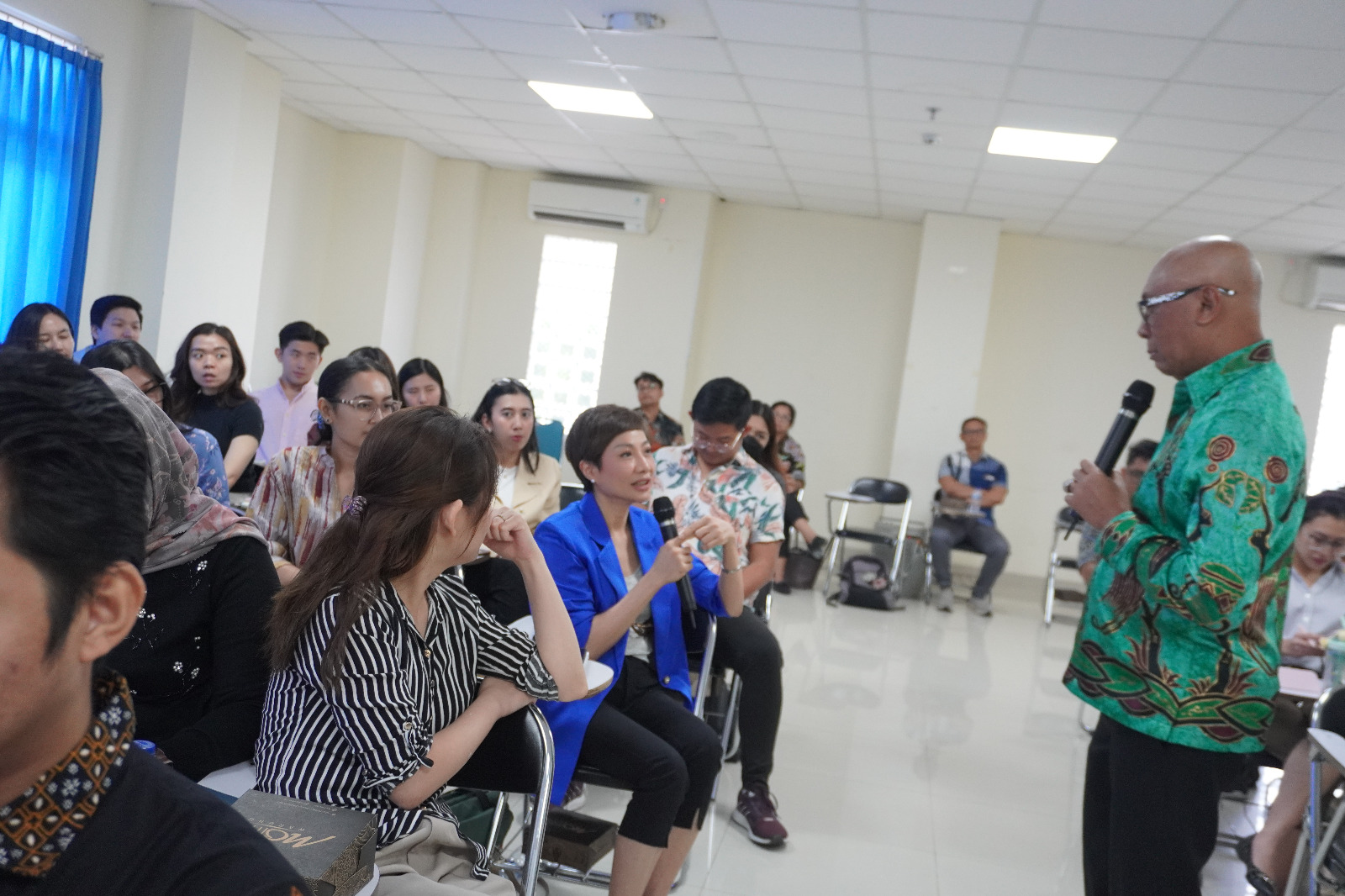
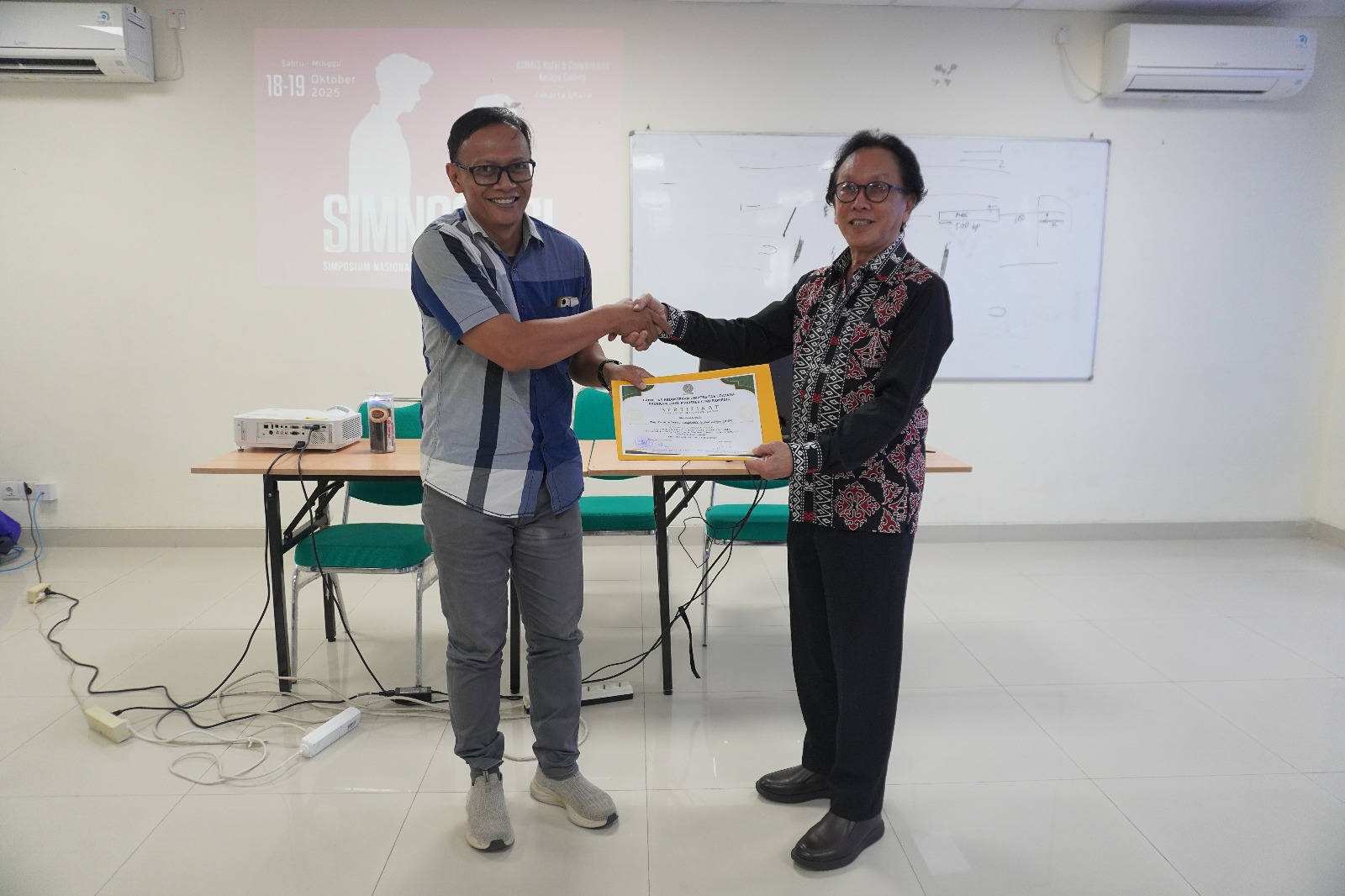
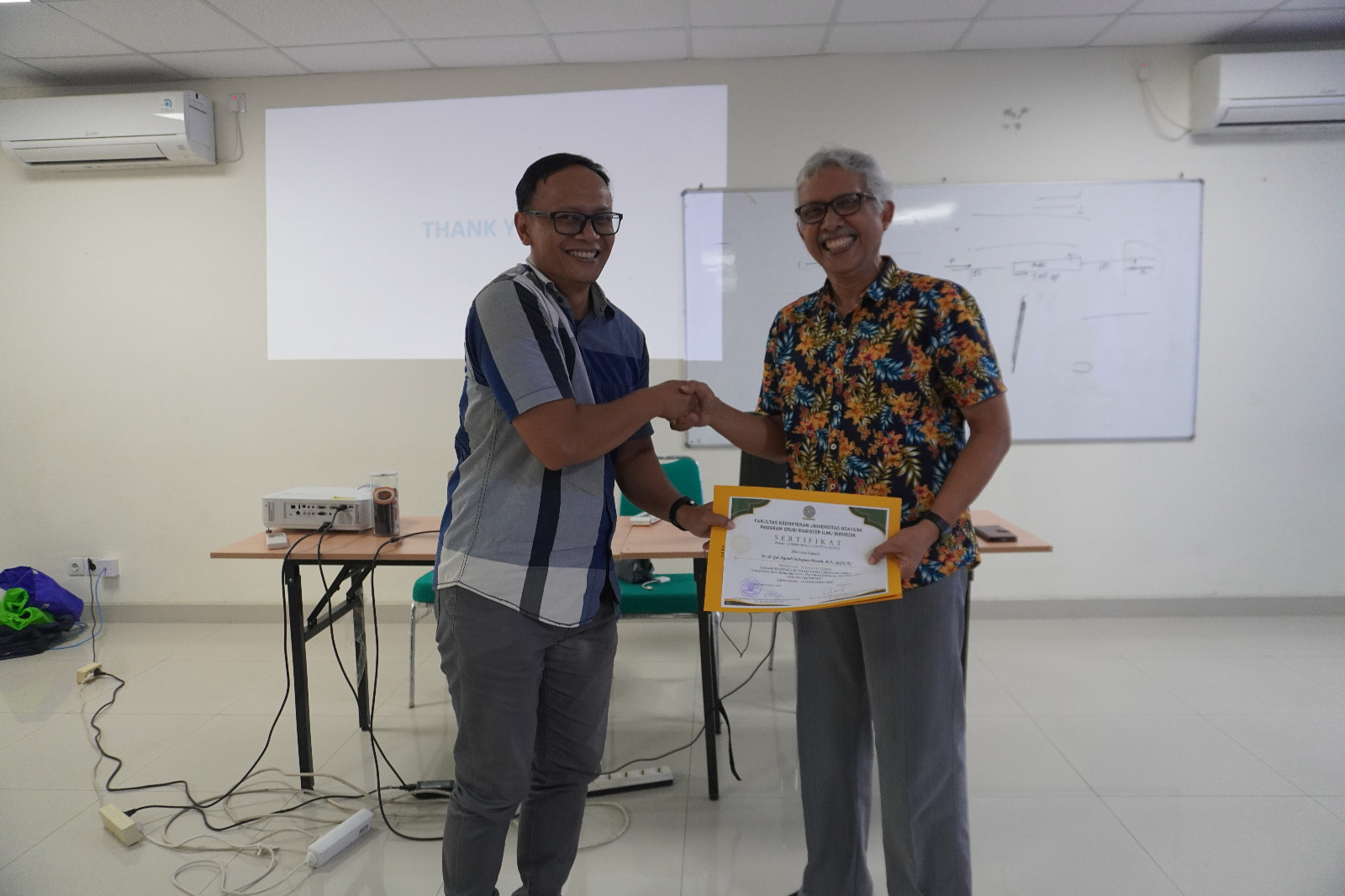
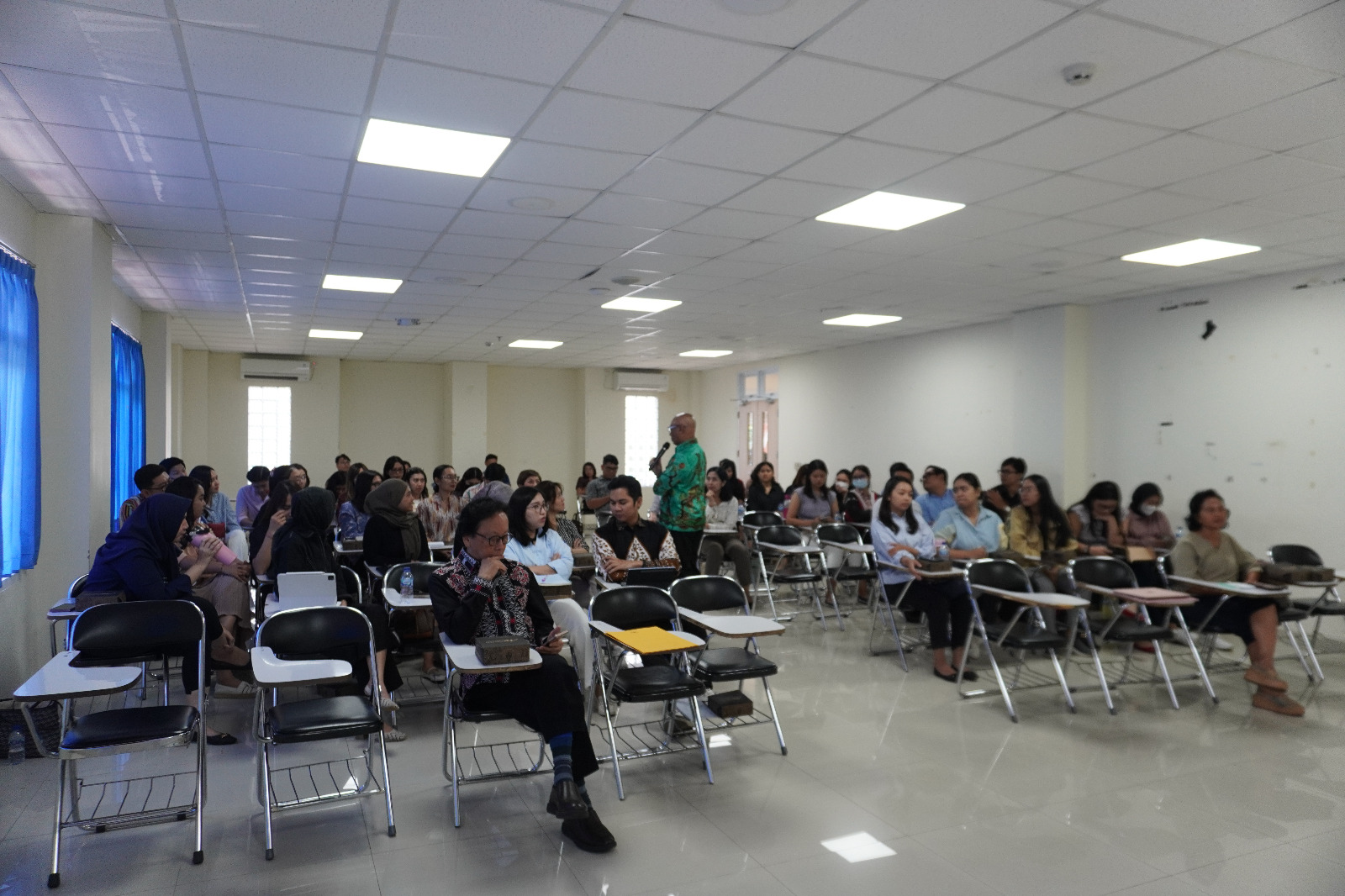
In an effort to enhance students' academic abilities, the Master of Biomedical Sciences Program, Faculty of Medicine, Udayana University, held a Guest Lecture on Saturday, October 11, 2025, in the Prof. Tjokorda Rai Room, 2nd Floor, CVU Building, Faculty of Medicine, Udayana University.
The event began with remarks from the Coordinator of the Master of Biomedical Sciences Program, Faculty of Medicine, Udayana University, Dr. I Gusti Made Gde Surya Chandra Trapika, M.Sc., Ph.D., and was also attended by the Vice Dean for General Affairs and Finance, Faculty of Medicine, Udayana University, Dr. dr. I Made Muliarta, S.Ked., M.Kes. This guest lecture featured three scientific speakers:
1. First speaker: Prof. Dr. dr. Wimpie I. Pangkahila, Sp.And., Subsp.SAAM, presented the topic "Role of Hormones in the Whole Life: How to Maintain Them." On this occasion, Prof. Wimpie Pangkahila explained the absolute role of hormones in all organs of the body. Based on the concept of Anti-Aging Medicine, organ function must be maintained at optimal condition. As humans age, the aging process occurs due to a decline in hormones, not the other way around.
2. The second speaker: Dr. dr. Anak Agung Gde Putra Wiraguna, Sp.KK (K), FINSDV, presented the topic "Skin Aging and Preventive Strategies." Dr. dr. Wiraguna emphasized that the aging process is not solely focused on skin aging. Skin aging is part of a natural "mosaic of aging" that over time causes different symptoms in each organ, tissue, and cell. Understanding and selecting strategies for managing skin aging, through the 4P approach (redictive, preventive, personalized, and participatory), is crucial so that treatment is tailored to each individual.
3. The third speaker: Dr. dr. Gde Ngurah Indraguna Pinatih, M.Sc., SpGK (K), presented the topic "Personalized Nutrition as a Gateway to Anti-Aging Food." The third speaker discussed the importance of macro- and micronutrient intake for the body, as well as the components of nutrigenomics. A new paradigm for health and food management models oriented toward nutrigenomic testing and personalized nutrition is emerging. The concept of healthy eating and intake varies from person to person due to the potential for gene polymorphism within the nutrigenomic concept.
The guest lecture is expected to provide participants with the latest information on more comprehensive prevention and management in the field of anti-aging medicine.
Gallery
UDAYANA UNIVERSITY