 ENG
ENG
 INA
INA
Biomedical Science Doctorate Studies Lean Ergonomics to Improve Productivity and Occupational Health in Tempeh MSMEs

Biomedical Science Doctorate Studies Lean Ergonomics to Improve Productivity and Occupational Health in Tempeh MSMEs
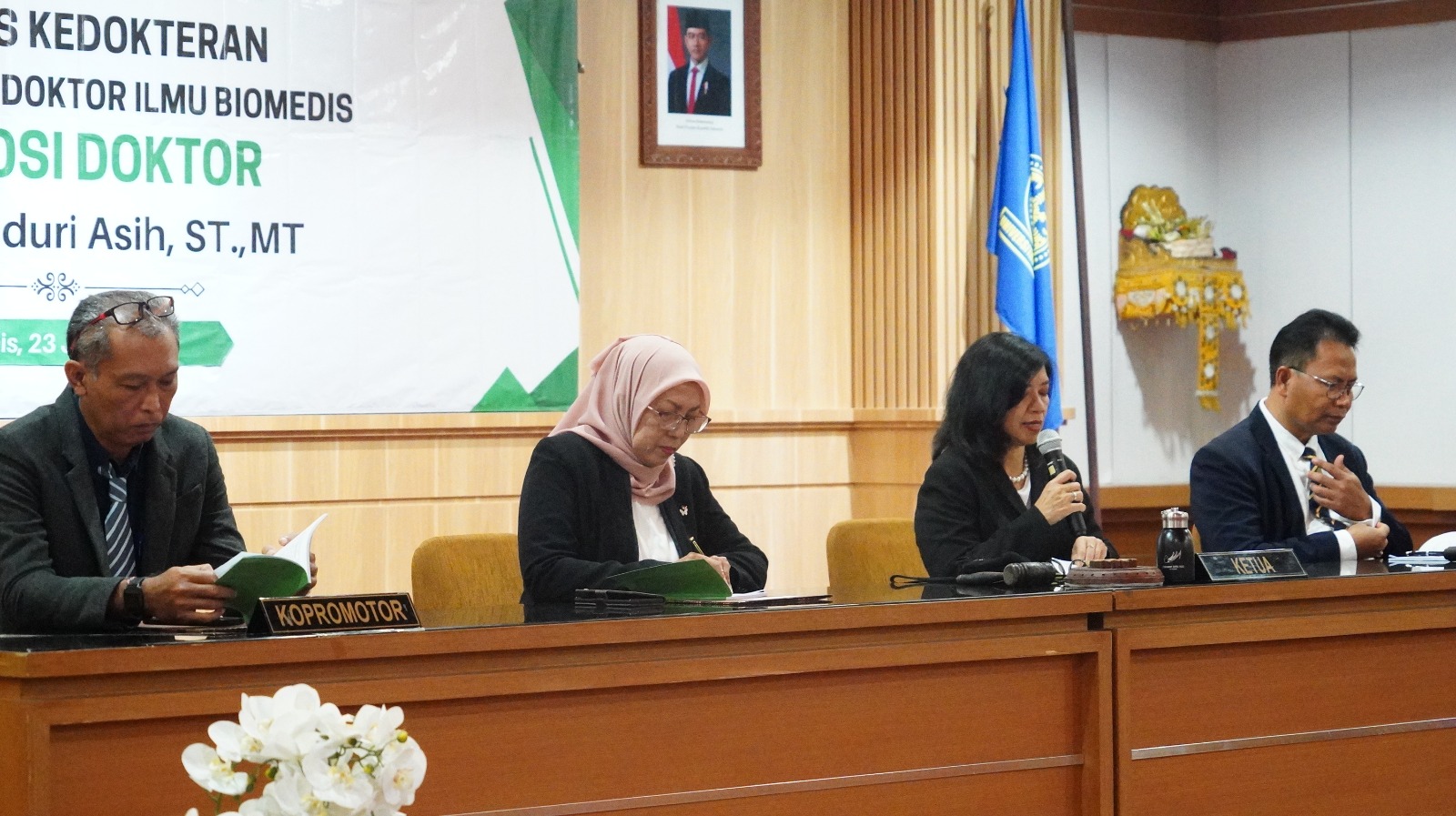
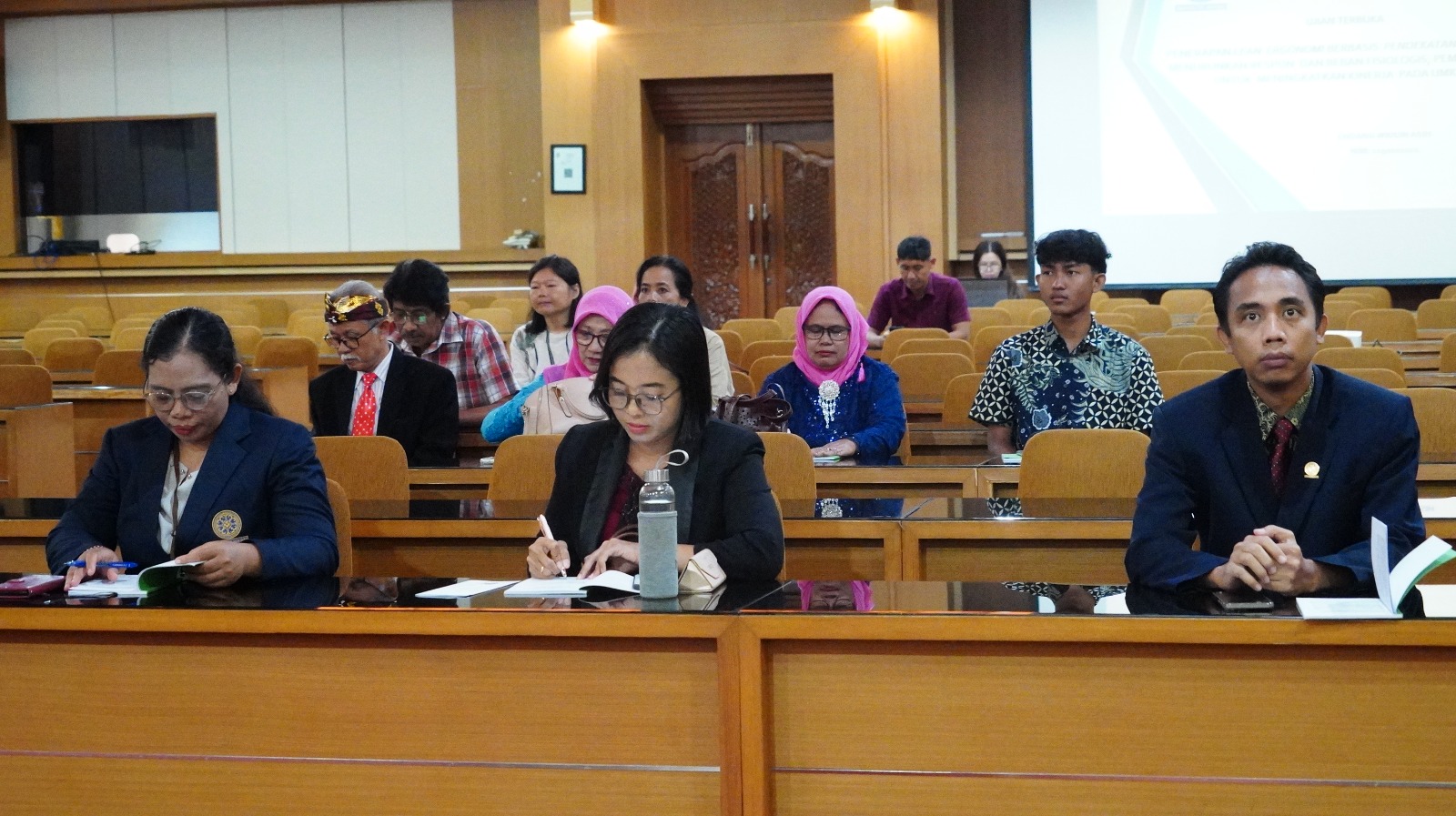
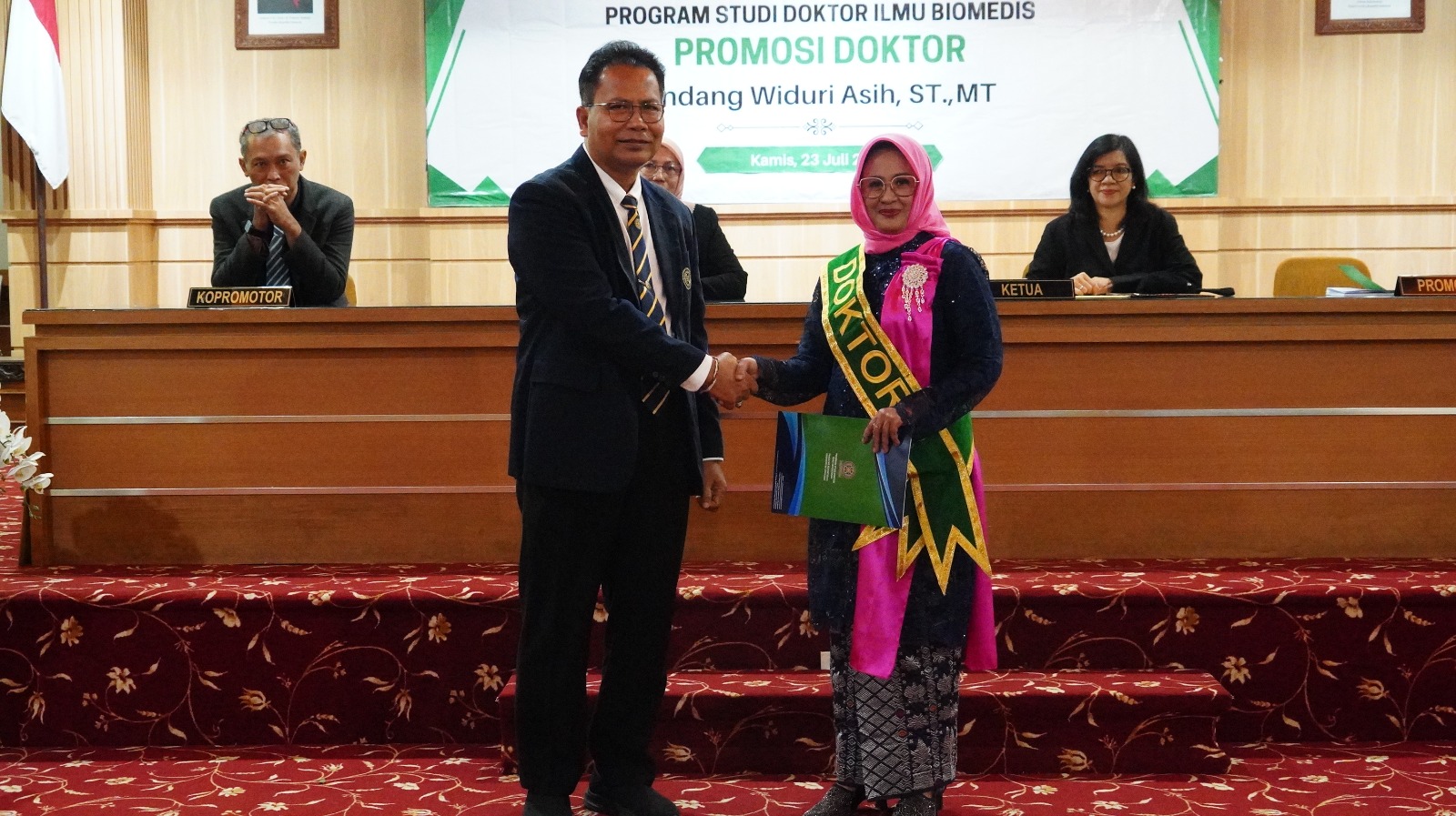
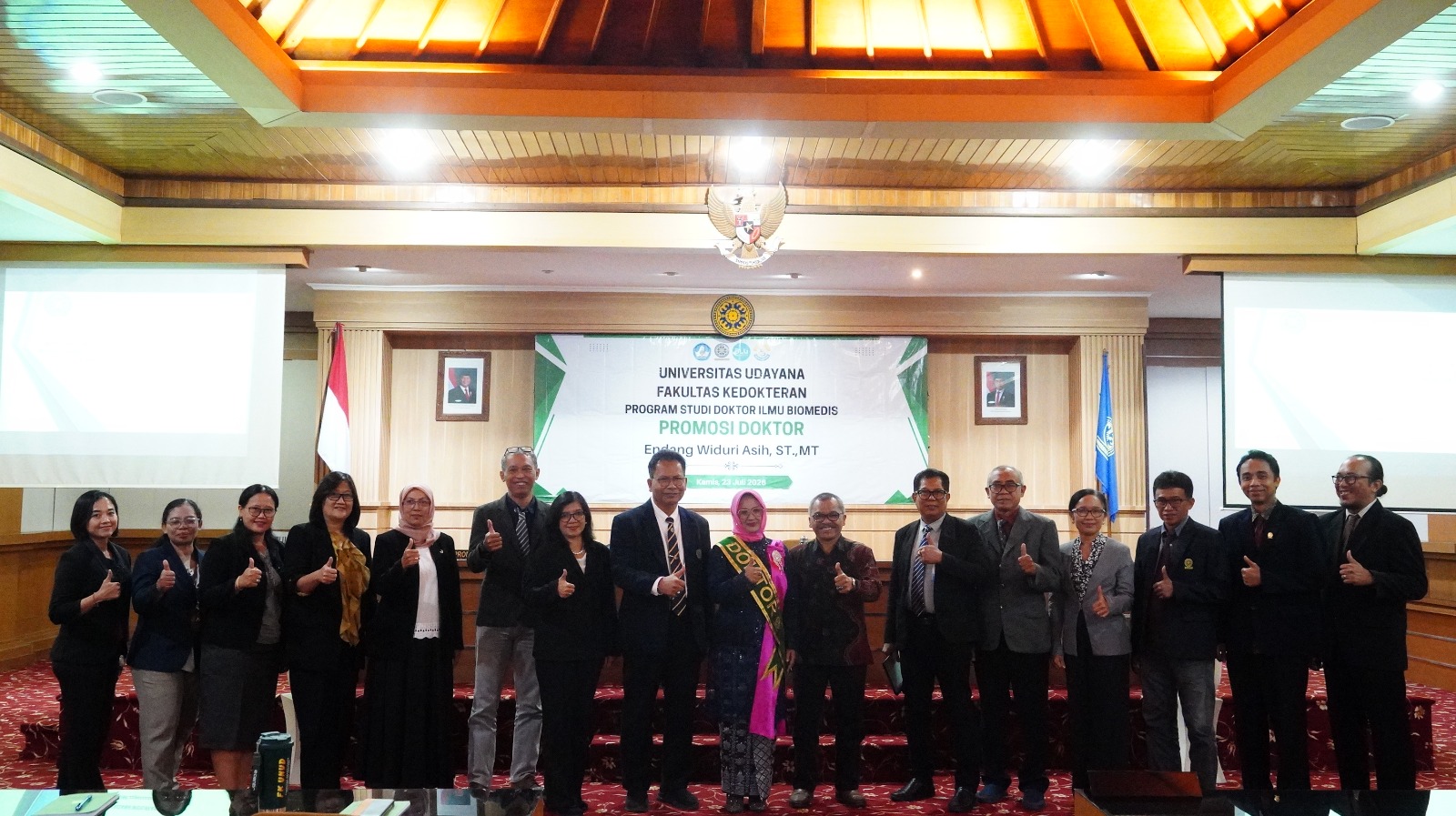
Held in the Meeting Room on the Third Floor of the Postgraduate Building, Udayana University, Jl. PB Sudirman, Denpasar, Bali, the Biomedical Science Doctoral Study Program, Faculty of Medicine, Udayana University, held an open doctoral promotion defense with Endang Widuri Asih, ST., MT., as the dissertation candidate, entitled "Implementation of Lean Ergonomics Based on a Total Ergonomics Approach to Reduce Physiological Responses and Loads, and Work Waste to Improve the Performance of Tempeh MSMEs." (July 23, 2026)
Tempheeh MSMEs are a food industry sector still dominated by manual activities characterized by repetitive work, unergonomic work postures, and high levels of wasted movement and work time. These conditions have the potential to increase physiological responses, workload, musculoskeletal complaints, muscle tension, and fatigue, ultimately impacting productivity and business revenue. This study aims to analyze the effectiveness of implementing Lean Ergonomics based on a Total Ergonomics Approach in reducing physiological responses, workload, and work waste, while improving performance in tempeh MSMEs.
This is an experimental study with a treatment-by-subject design. The study was conducted at a tempeh MSME in Ngestiharjo village, with a sample of 16 individuals selected based on inclusion and exclusion from January to October 2025.
The first stage of the experimental study was measurement in Period P1, which measured working conditions before implementing Lean Ergonomics Based on Total Ergonomics. The second stage involved a washout period (WOP) and adaptation, consisting of one day of WOP and three days of adaptation. The third stage was measurement in Period P2, which measured working conditions with the implementation of Lean Ergonomics Based on Total Ergonomics. Measurements in Periods P1 and P2 included musculoskeletal complaints using the Nordic Body Map questionnaire, fatigue using the Industrial Fatigue Rating Committee (IFRC) questionnaire, muscle tension using electromyography (EMG), workload using pulse rate, wastage using a time and motion study, and productivity using standard time. Pre- and post-study data in Periods P1 and P2 were analyzed using a paired t-test at a 5% significance level.
The results of the study on the implementation of Total Ergonomics-Based Lean Ergonomics in Tempe MSMEs showed a 10.06-point reduction in musculoskeletal complaint scores, or 25.5% (p< 0.05), a 4.26% reduction in right upper trapezius muscle tension, a 4.27% reduction in left upper trapezius muscle tension, a 2.11% reduction in right lumbar muscle tension, and a 2.13% reduction in right lumbar muscle tension. Furthermore, there was a 26.6% reduction in working time (p< 0.05). Fatigue scores decreased by 9.37 points, or 22.14%, and workload decreased by 66.6%. Implementing Lean Ergonomics Based on Total Ergonomics can also increase worker productivity by 35%. It can also increase worker income by 30.9% and employer income by 30.9%.
It was concluded that implementing Lean Ergonomics based on the Total Ergonomics Approach is an effective intervention model in reducing physiological responses, workload, and work waste while simultaneously improving health, safety, productivity, and business performance in tempeh MSMEs. These findings strengthen the development of the Lean Ergonomics concept based on the Total Ergonomics Approach as an approach that integrates process efficiency and occupational health to increase the competitiveness of MSMEs.
The examination was led by Prof. Dr. dr. Desak Made Wihandani, M.Kes., Coordinator of the Doctoral Study Program in Biomedical Sciences, Faculty of Medicine, Udayana University, with the following examiners:
1. Prof. Dr. dr. I Putu Gede Adiatmika, M.Kes. (Promoter)
2. Prof. Dr. dr. I Made Muliarta, S.Ked., M.Kes. (Copromoter I)
3.Dr. Ir. Ida Bagus Alit Swamardika, M.Erg., IPM, ASEAN.Eng. (Copromoter II)
4. Prof. Dr. Ir. Made Sudarma, M.A.Sc., IPU., ASEAN.Eng.
5. Prof. Dr. Ir Lilik Sudiajeng, M. Erg.
6. Prof. Dr. Dr. Susy Purnawati, MKK.
7. Dr. dr. Luh Putu Ratna Sundari, M. Biomed.
8.Dr. Drs. I Wayan Santiyasa, M.Sc.
9.Dr. drh. I Made Subrata, M. Erg.
10.Dr. Dr. I Putu Adiartha Griadhi, M.Fis., AIFO., S.Ked.
With academic invitations:
1. Dr. Ir. I Gusti Ngurah Priambadi, MT.
2. Dr. Ns. Ni Ketut Guru Prapti, S.Kep., MNS.
3. Dr. dr. Nila Wahyuni, M.Fis.
4. Dr. dr. I Made Krisna Dinata, M.Erg.
5. Dr. Ns. Putu Oka Yuli Nurhesti, S.Kep., M.M., M.Kep.
In this examination, Dr. Endang Widuri Asih, ST., MT., was declared the 502nd Doctoral Graduate of the Biomedical Sciences Doctoral Study Program, Faculty of Medicine, Udayana University, with a Very Satisfactory Grade.
Gallery
UDAYANA UNIVERSITY