 ENG
ENG
 INA
INA
Biomedical Science Doctorate Studies Tulsi Extract to Lower Blood Sugar and Protect the Liver in a Diabetes Model
Biomedical Science Doctorate Studies Tulsi Extract to Lower Blood Sugar and Protect the Liver in a Diabetes Model
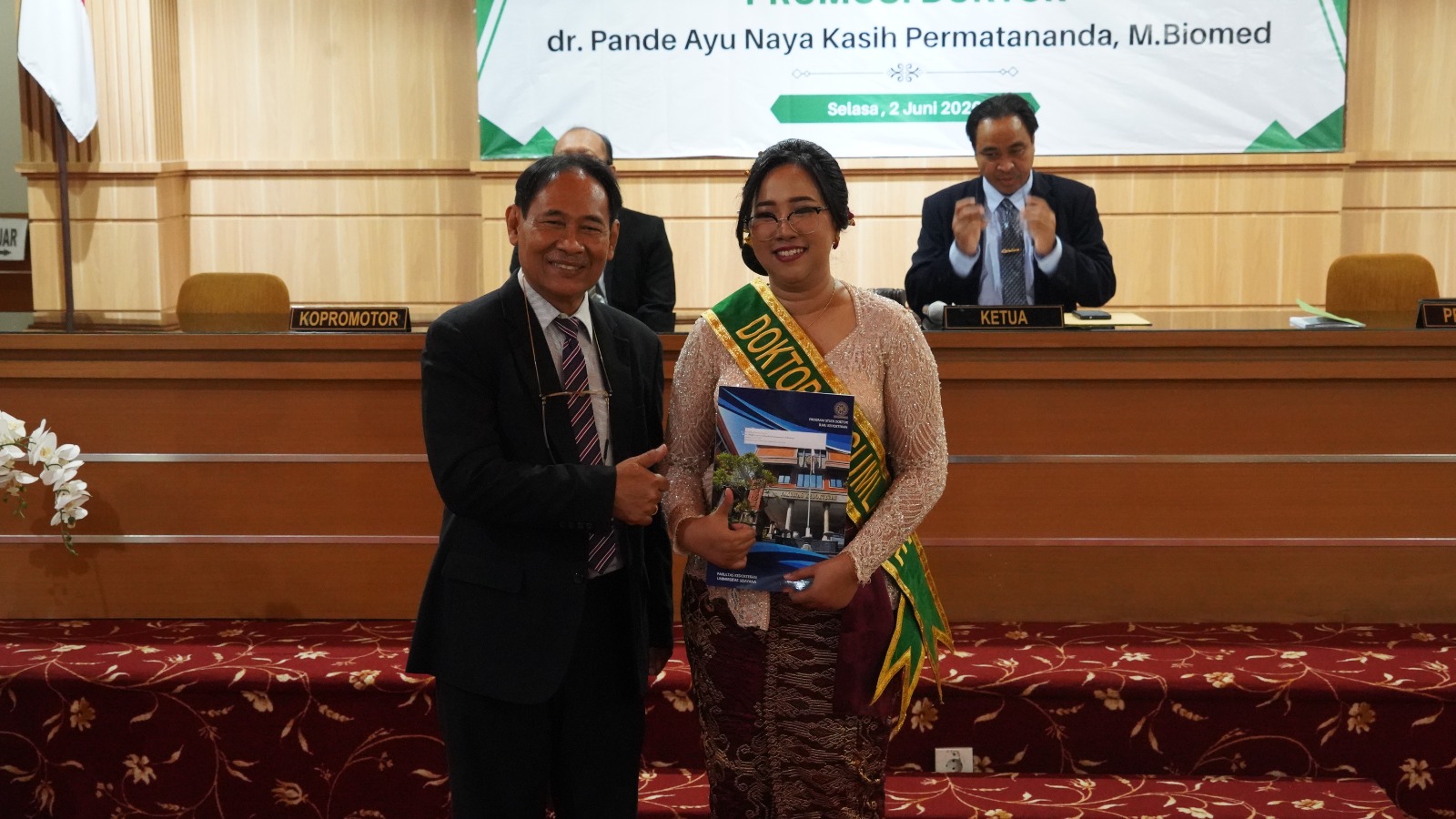
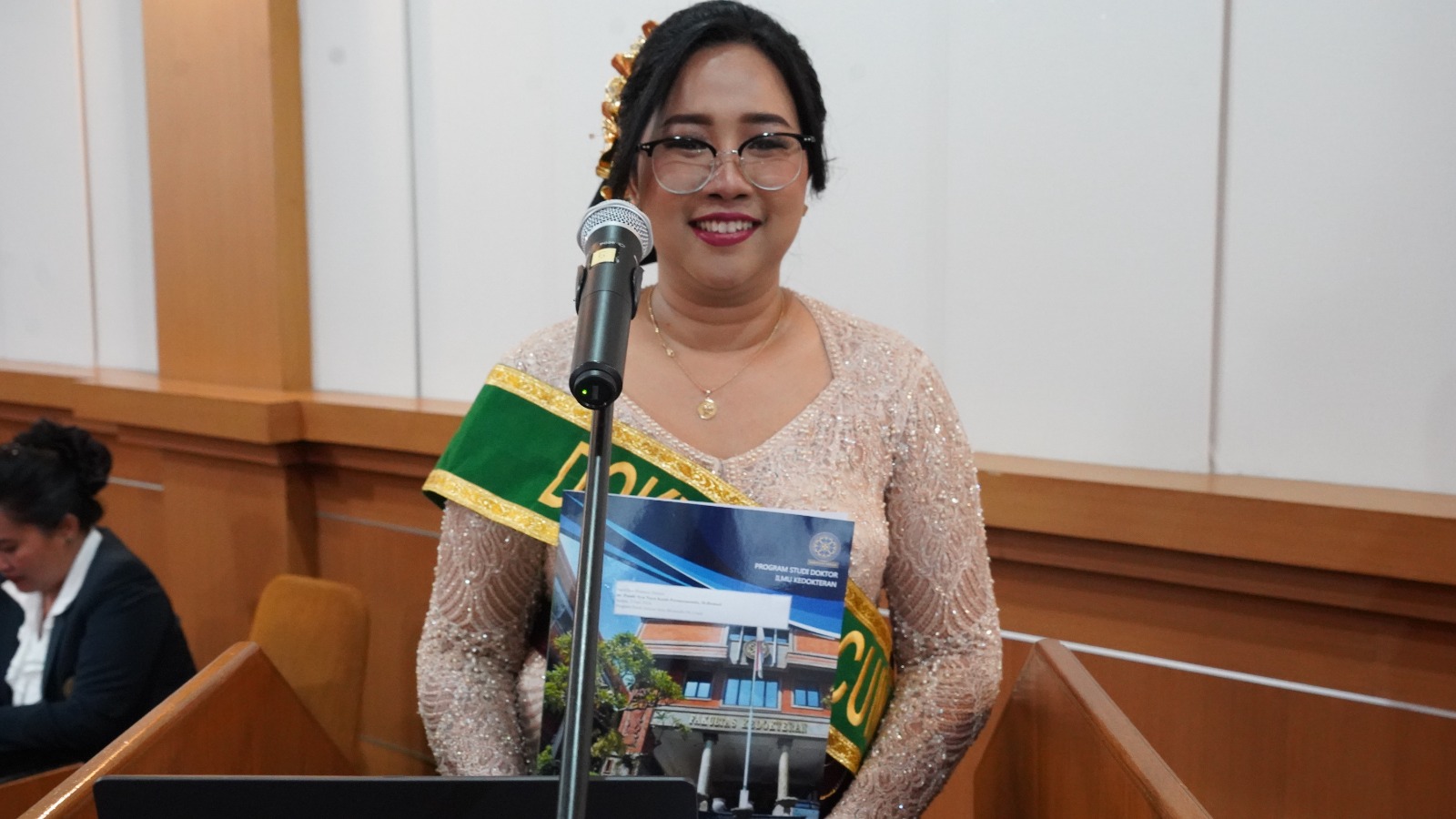
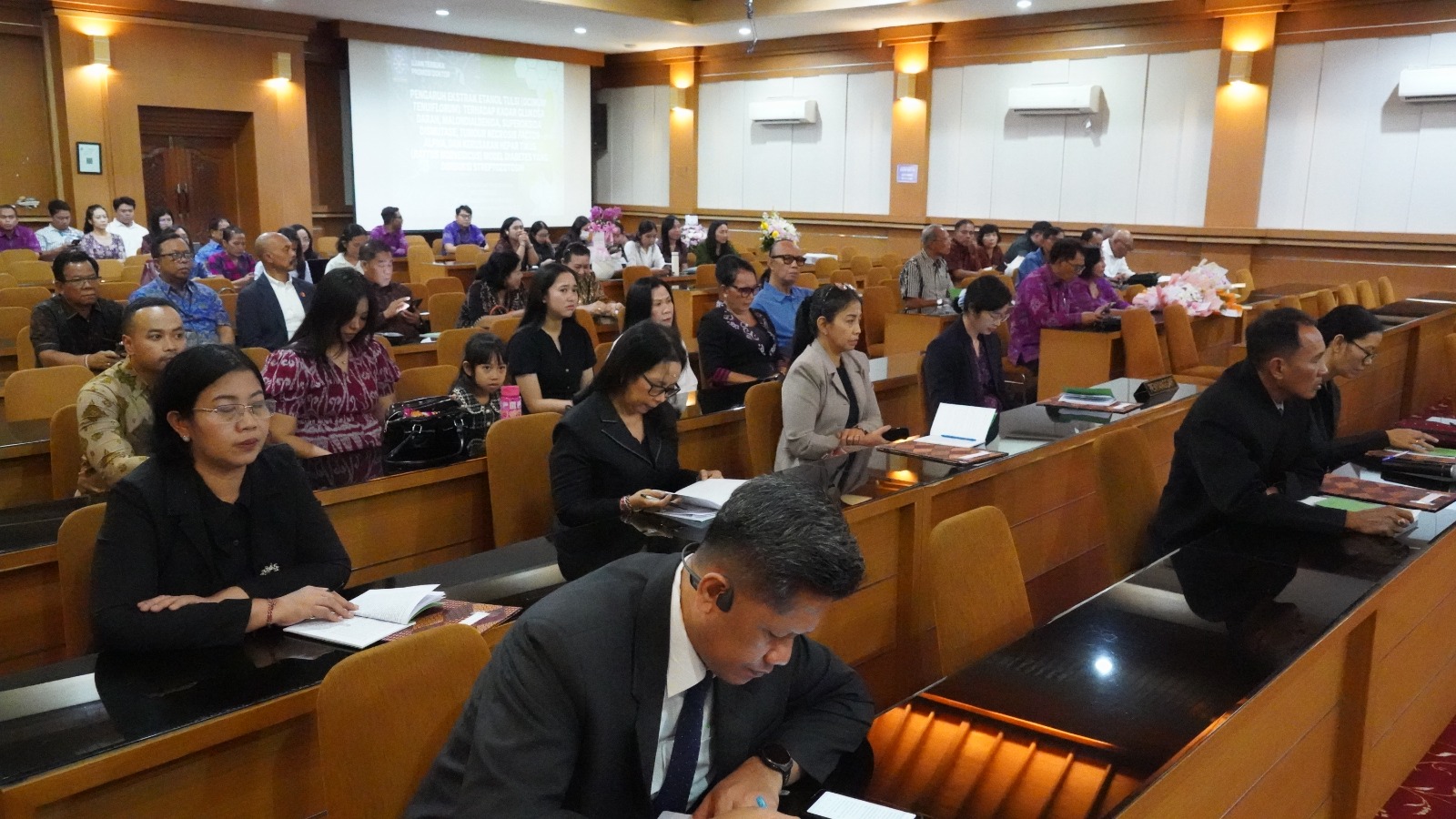
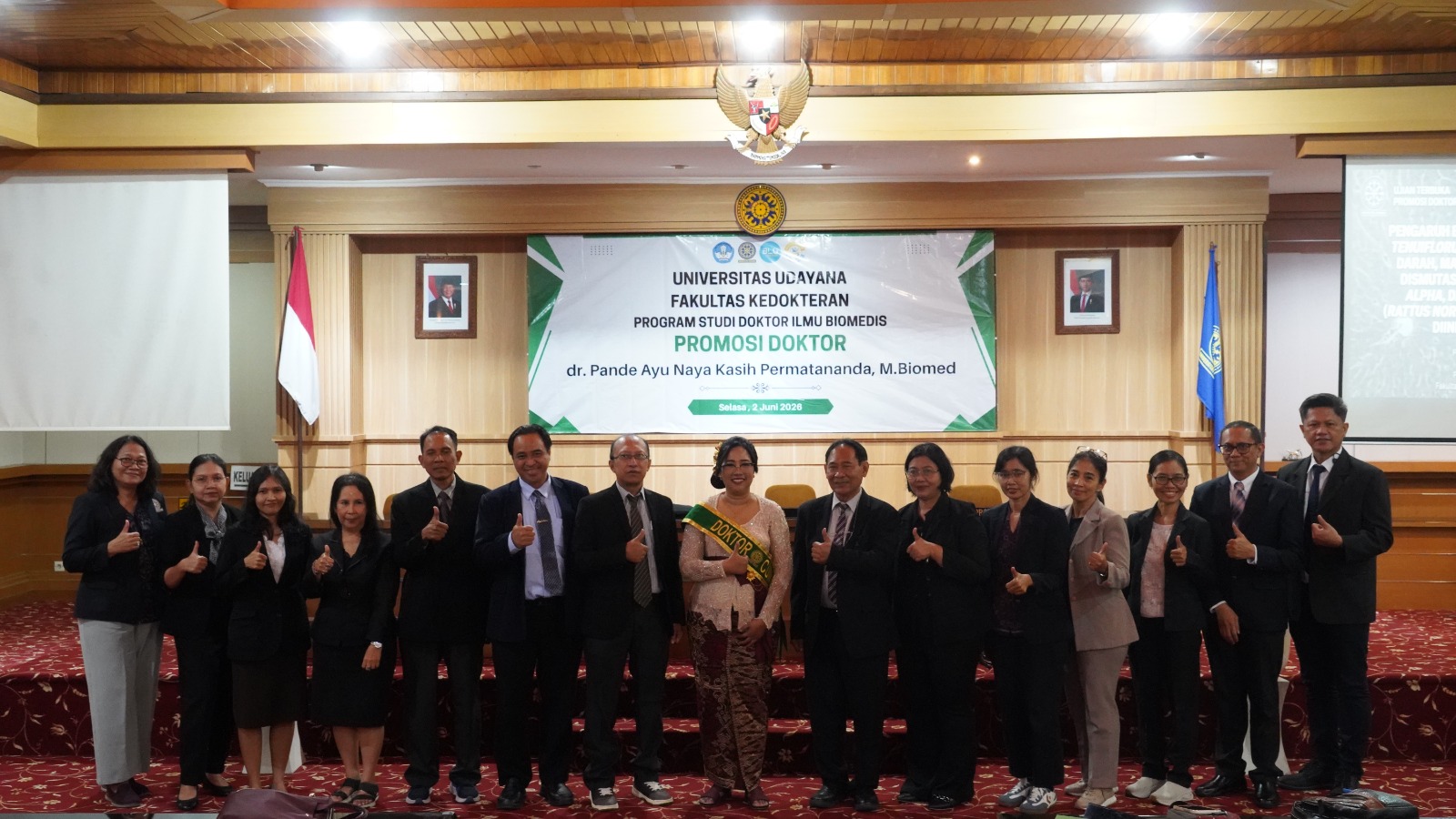
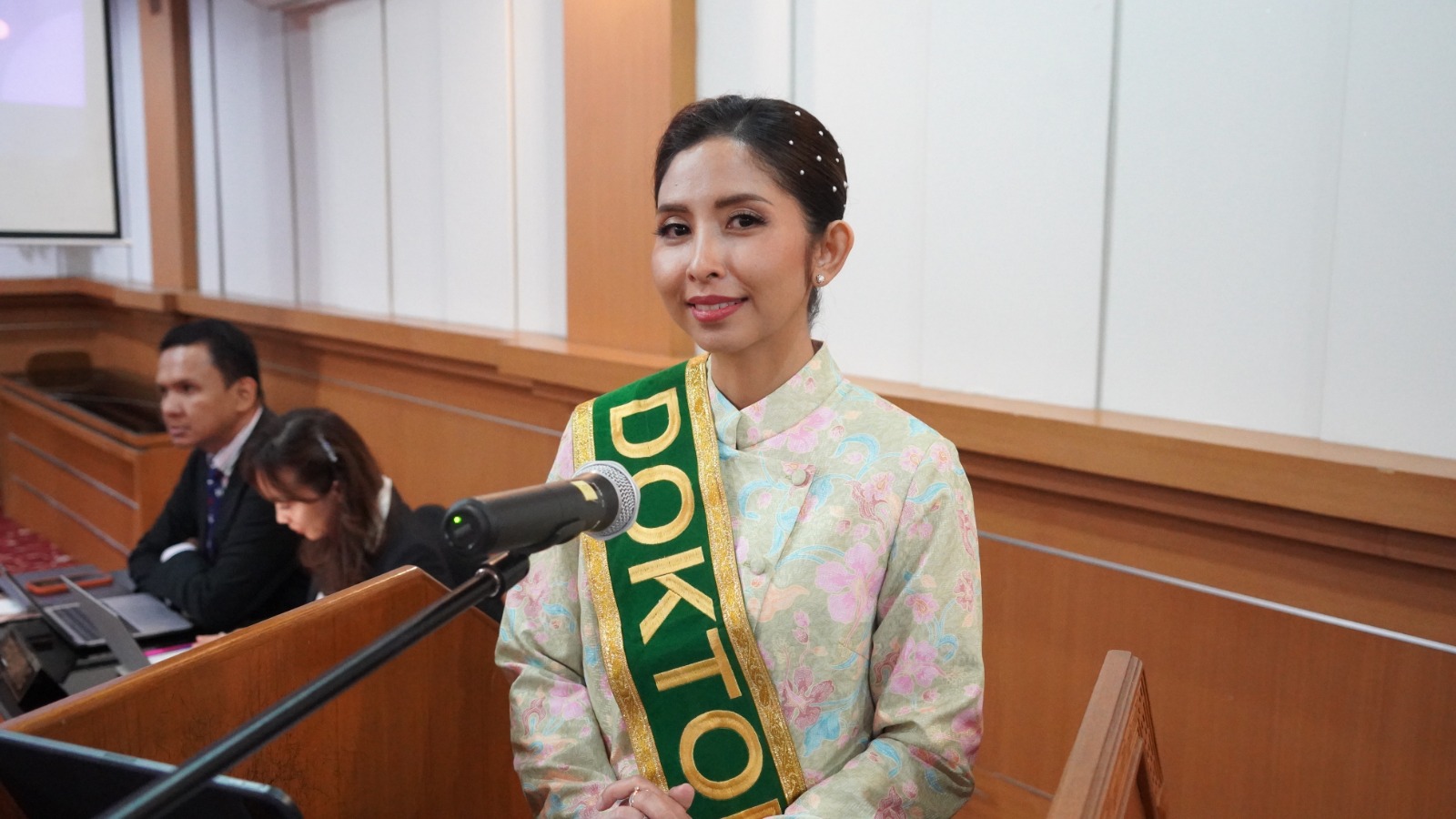
Held in the Meeting Room on the Third Floor of the Postgraduate Building of Udayana University, Jl. PB Sudirman, Denpasar, Bali, the Biomedical Science Doctoral Study Program, Faculty of Medicine, Udayana University, held an open doctoral promotion defense with Dr. Pande Ayu Naya Kasih Permatananda, M.Biomed., as the dissertation candidate, entitled "The Effect of Tulsi (Ocimum tenuiflorum) Ethanol Extract on Blood Glucose Levels, Malondialdehyde, Superoxide Dismutase, Tumor Necrosis Factor-alpha, and Liver Damage in a Streptozotocin-Induced Diabetes Model of Rats (Rattus norvegicus)." (June 2, 2026)
Diabetes mellitus (DM) is known to be associated with progressive liver damage, which is influenced by chronic hyperglycemia, oxidative stress, and inflammation. Standard diabetes therapies such as metformin do not optimally target these pathways. Therefore, alternative natural-based agents are needed, such as Ocimum tenuiflorum (Tulsi), which is known to contain various bioactive compounds with antihyperglycemic, antioxidant, and anti-inflammatory activities. However, its role in inhibiting the progression of liver damage in animal models of diabetes remains unclear. This study aimed to evaluate the effect of Tulsi ethanol extract on blood glucose levels, malondialdehyde (MDA), superoxide dismutase (SOD), tumor necrosis factor-alpha (TNF-α), and liver damage in diabetic rats.
This purely experimental study involved 2–3-month-old male rats weighing 200–300 grams, induced by streptozotocin at a dose of 40 mg/kg body weight for 5 consecutive days. Diabetic rats were divided into four groups: P1 and P2, which received ethanolic Tulsi extract at doses of 200 mg/kg and 400 mg/kg, respectively; a diabetic control group without therapy (K1), and a control group with early diabetes (K2). Blood glucose levels were measured using glucometry, while MDA, SOD, and TNF-α levels were measured using ELISA. Liver damage was assessed based on the percentage of hepatocyte cells undergoing degeneration and necrosis in histopathological slides.
The results showed that blood glucose decreased significantly in P1 from 506.00±51.09 to 294.75±27.63 mg/dL (P=0.004) and in P2 from 519.25±22.68 to 201.50±25.44 mg/dL (P=0.001), while K1 did not change significantly (440.25±30.12 to 458.25±34.87 mg/dL; P=0.115). MDA levels were lower in P1 (1.46±0.05) and P2 (1.23±0.08) compared to K1 (2.61±0.21) (P< 0.05). SOD levels were higher in P1 (4.46±0.09) and P2 (5.83±0.03) than in K1 (4.05±0.03) (P< 0.05). TNF-α was lower in P1 (761.14±116.24) and P2 (468.91±99.42) than in K1 (1996.62±273.01) (P< 0.05), and P2 was not significantly different from K2 (483.37±98.14). Liver damage was highest in K1 (69.44±2.42%) and lower in P1 (61.84±0.84%) and P2 (53.69±5.41%) (P< 0.05).
This study concluded that Tulsi ethanol extract has the potential to inhibit the progression of liver damage in diabetic rats by reducing hyperglycemia and modulating oxidative stress and inflammation.
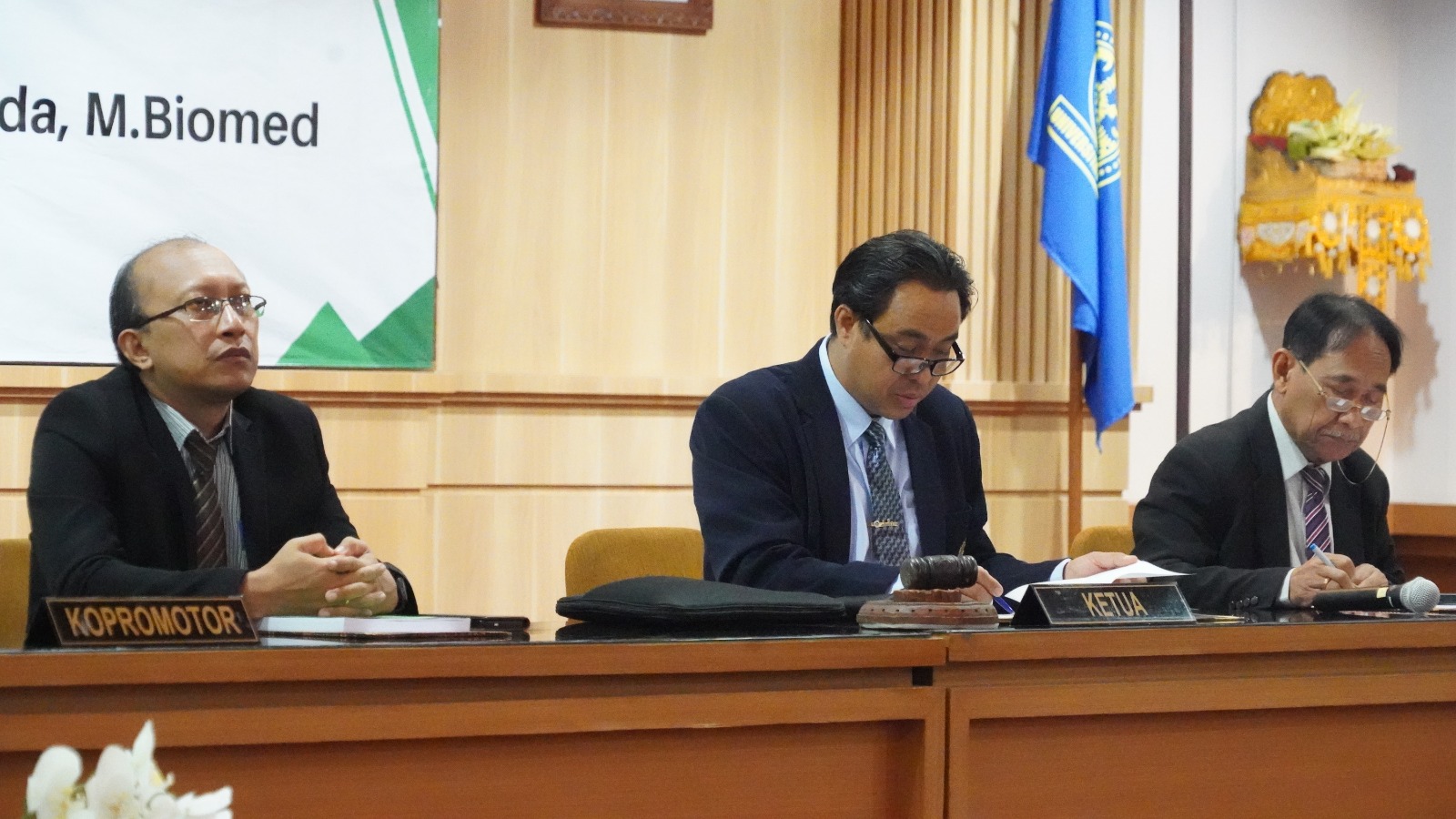
This examination was led by the Vice Dean for General Affairs and Finance, Faculty of Medicine, Udayana University, Prof. Dr. dr. I Made Muliarta, S.Ked., M.Kes., with the following examiners:
1. Prof. Dr. dr. I Wayan Putu Sutirta Yasa, M.Si (Promoter)
2. Dr. I Wayan Sumardika, S.Ked., M.Med.Ed., Ph.D. (Co-Promoter I)
3. Dr. dr. Made Ratna Saraswati, Sp.PD, KEMD., FINASIM (Co-Promoter II)
4. Prof. Dr. dr. I Made Jawi, M.Kes
5. Prof. Dr. dr. I Made Sudarmaja, M.Kes
6. Dr. dr. Ni Putu Sriwidyani, Sp.PA., Subsp.S.M.(K)
7. Dr. dr. Dewa Ayu Agus Sri Laksemi, M.Sc
8. Dr. dr. I Nyoman Wande, S.Ked., Sp.PK(K)
9. Dr. dr. Agung Wiwiek Indrayani, S.Ked., M.Kes
10. Dr. dr. Kadek Mulyantari, Sp.PK, Subsp.BDKT(K)
By academic invitation:
1. Dr. Dra. Ida Ayu Alit Widhiartini, Apt., M.Si
2. Dr. dr. I Gusti Ayu Artini, S.Ked., M.Sc.
3. Dr. dr. Putu Ayu Asri Damayanti, M.Kes
4. Dr. dr. Dewa Ayu Putri Sri Masyeni, Sp.PD-KPTI
5. dr. Made Indra Wijaya, MARS., Ph.D., FisQua
During this exam, Dr. Pande Ayu Naya Kasih Permatananda, M.Biomed., was declared the 496th graduate of the Doctoral Program in Biomedical Sciences, Faculty of Medicine, Udayana University, with Cum Laude honors.
Gallery

UDAYANA UNIVERSITY