 ENG
ENG
 INA
INA
Doctor of Biomedical Sciences Develops Educational Model for the Safe Use of Complementary Therapy in Type 2 Diabetes Patients
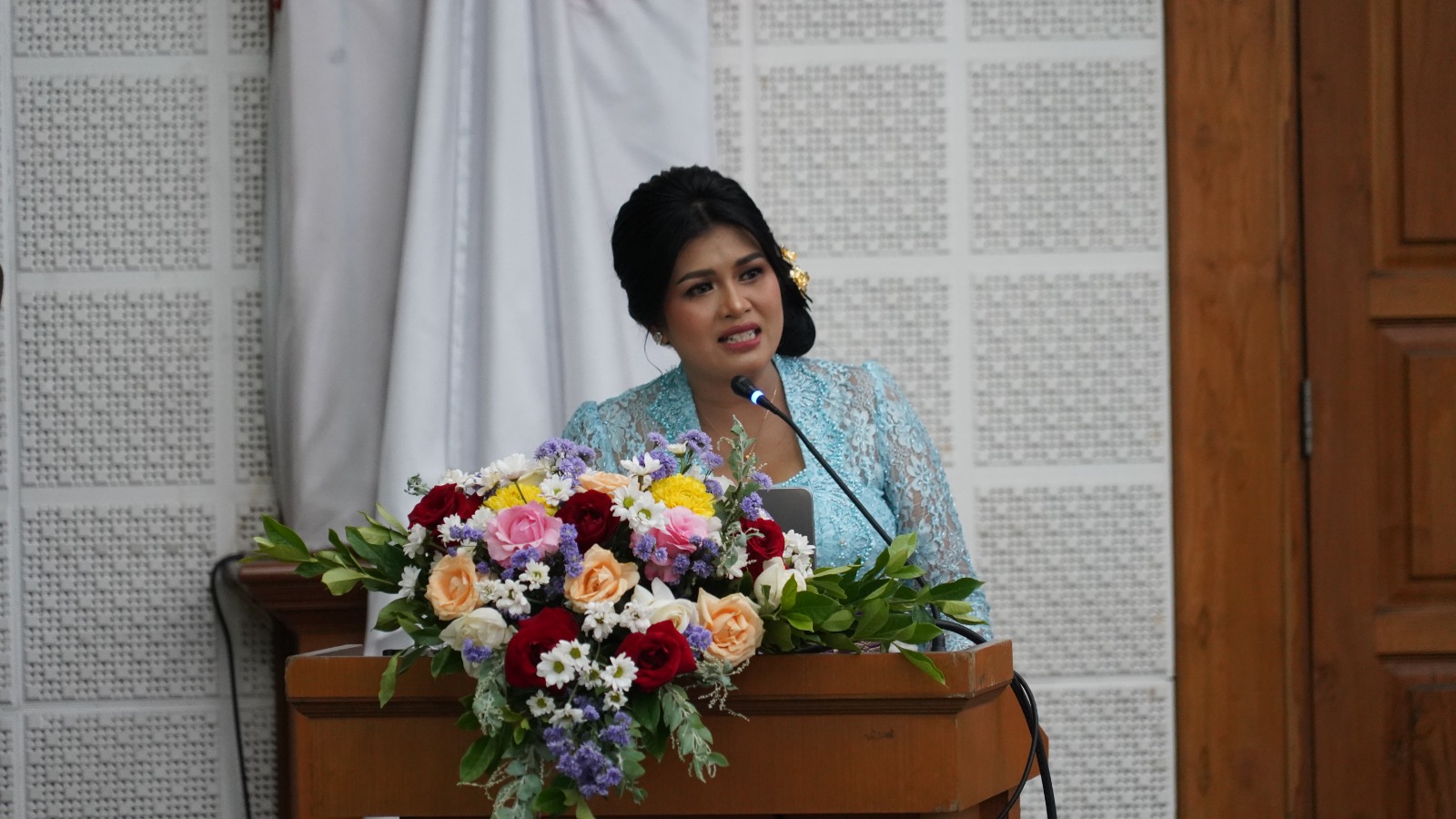
Doctor of Biomedical Sciences Develops Educational Model for the Safe Use of Complementary Therapy in Type 2 Diabetes Patients
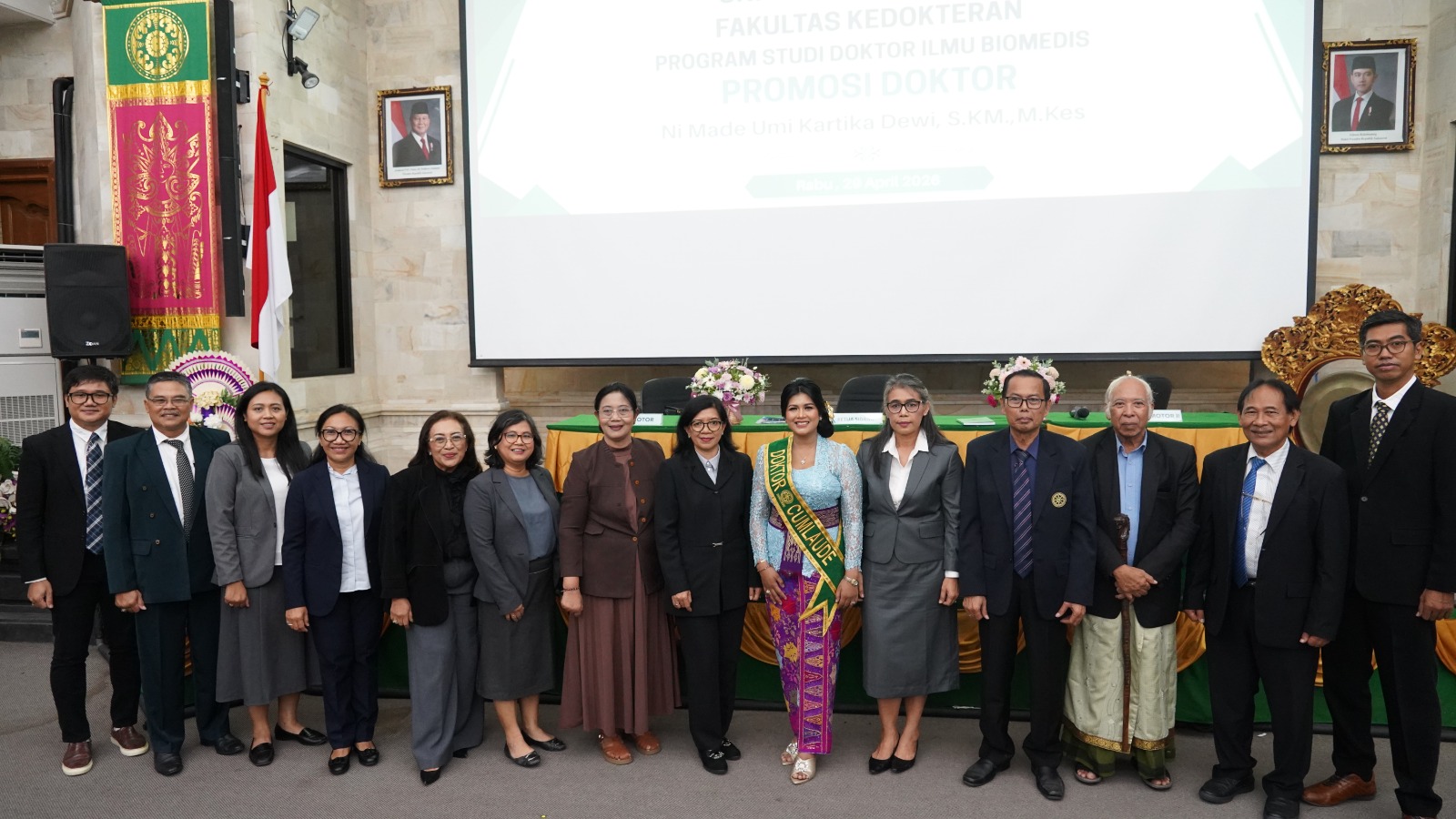
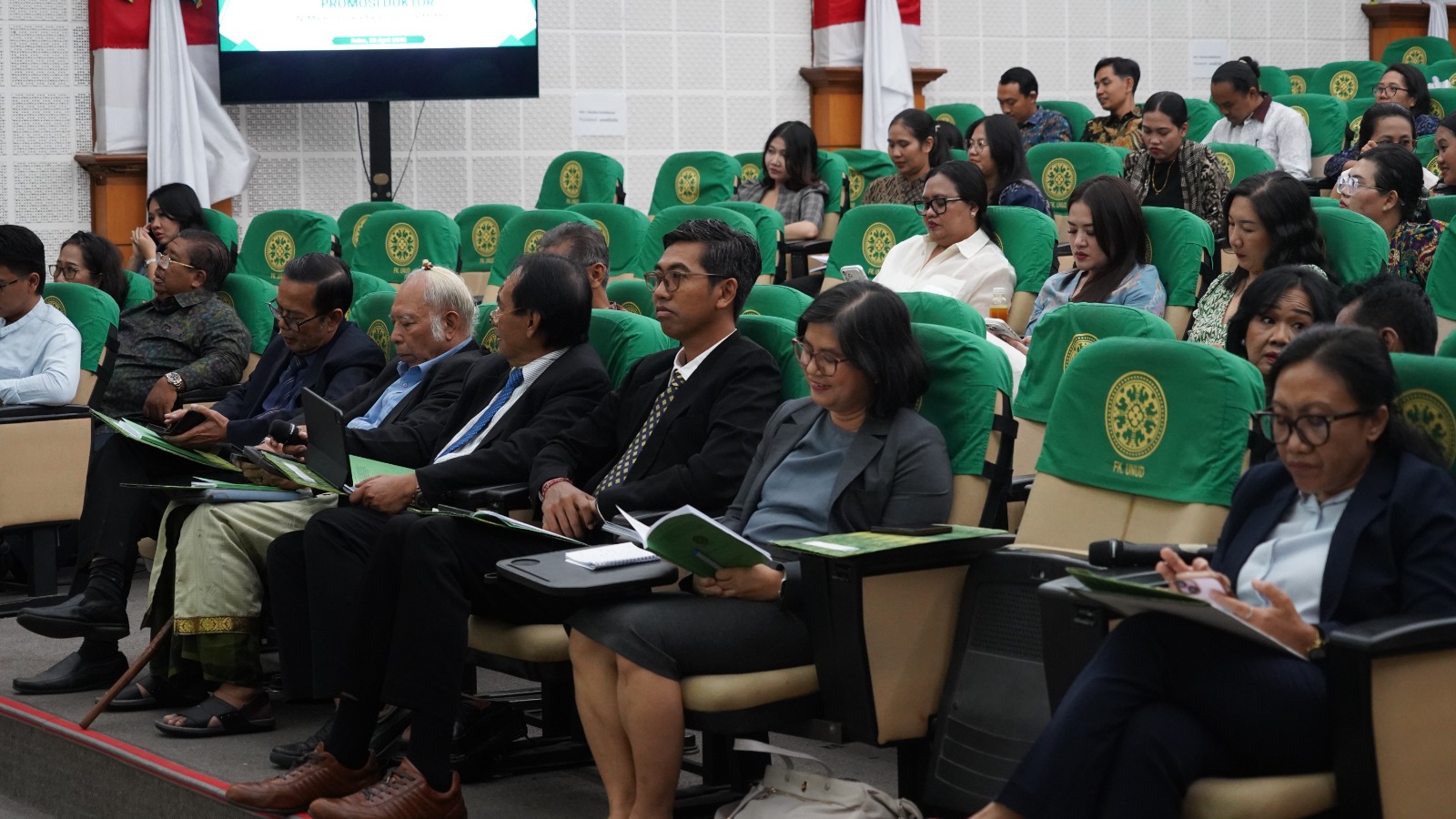
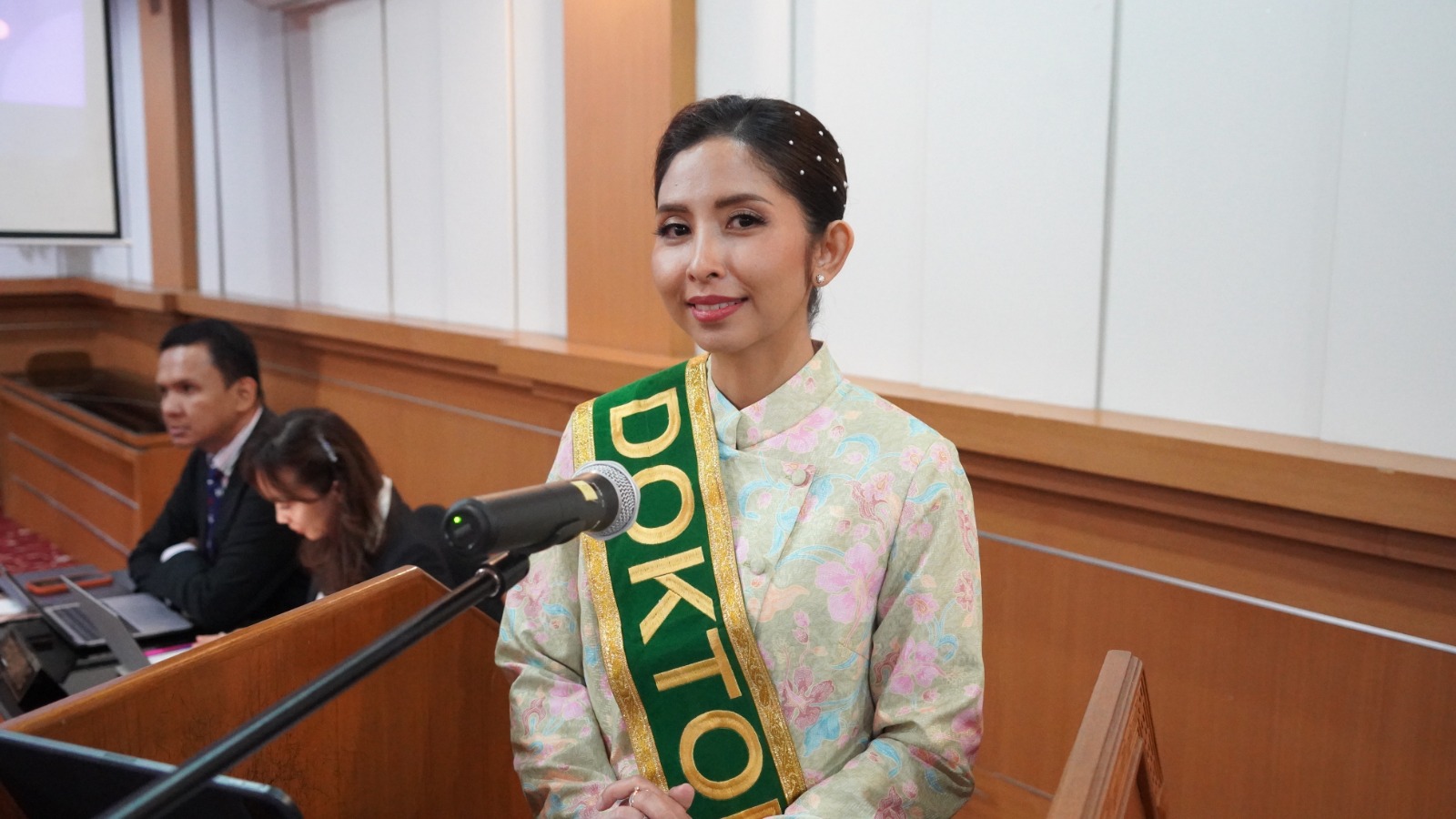
Held in the Dr. A.A. Made Djelantik Meeting Room, Fourth Floor, Faculty of Medicine Building, Jl. PB Sudirman, Denpasar, Bali, the Doctor of Biomedical Sciences Study Program, Faculty of Medicine, Udayana University, held an open doctoral promotion examination with candidate Ni Made Umi Kartika Dewi, A.Md.Kep., S.KM., M.Kes., for the dissertation "Development of a S.E.H.A.T.-Based Education Model Based on the Health Belief Model and Theory of Planned Behavior for the Rational Use of Complementary Therapy in Type 2 Diabetes Mellitus Patients in Denpasar City." (April 29, 2026)
The use of complementary therapy (TC) in patients with Type 2 Diabetes Mellitus (T2DM) is increasing, but is often carried out without adequate education and supervision from healthcare professionals. This condition has the potential to pose clinical risks, reduce adherence to medical therapy, and worsen glycemic control.
This study aims to develop and validate a rational complementary therapy education model based on the integration of the Health Belief Model (HBM) and the Theory of Planned Behavior (TPB), with a contextual approach in primary healthcare services in Denpasar City.
This study used a multistage mixed methods design consisting of three stages. Stage I was a needs analysis using a parallel mixed methods approach through a cross-sectional survey of 300 T2DM patients and in-depth interviews with 20 patients and healthcare workers. Quantitative analysis included bivariate testing, logistic regression, and Structural Equation Modeling (SEM), while qualitative data were analyzed thematically and integrated through joint display. Stage II was the development of an education model based on the integration of quantitative and qualitative findings. Stage III included model validation through expert judgment by 10 multidisciplinary experts and a pilot test of the evaluation instrument on 50 T2DM patients to assess validity and reliability.
The results showed that 43.3% of patients used TK, with the dominant pattern being risky behavior, such as use without consultation (62.3%), irregular control (60.5%), low openness to health professionals (64.6%), and dominance of non-formal information sources (>90%). Clinical factors such as type of medical treatment (p = 0.024) and consistency of control (p = 0.014) were significantly associated with TK use. All HBM and TPB constructs were significantly associated with TK use behavior (p < 0.001). Logistic regression analysis showed self-efficacy (OR = 13.463), subjective norms (OR = 9.203), and attitudes (OR = 3.862) as the main predictors, while rational knowledge was protective (OR = 0.395; p < 0.001). SEM analysis confirmed that attitude is a central construct mediating the relationship between perceived benefits, social norms, and behavioral intentions (β = 0.691; p < 0.001).
Qualitative findings revealed that TK use is interpreted as self-care influenced by beliefs in the benefits of herbs, the perception of natural ingredients as safer, and social norms. Despite high self-efficacy, low product safety and legality literacy leads to decisions based on intuition and testimonials rather than medical considerations, leading to risky behaviors such as non-disclosure, medication modification, and mixing without consultation. Furthermore, education by healthcare professionals remains limited due to a lack of training and the absence of educational guidelines and media.
Based on the integration of empirical and theoretical findings, this study developed the S.E.H.A.T. Education Model, which conceptually links behavioral determinants (knowledge, attitudes, subjective norms, and self-efficacy) with applicable educational strategies in primary care. This model was validated with a very high level of expert agreement (I-CVI and S-CVI = 1.00) and supported by valid and reliable evaluation instruments (α = 0.820–0.914), making it suitable for use as a measurable educational intervention.
This research contributes to strengthening the integration of the HBM–TPB and produces a contextual and applicable evidence-based educational model to improve the safety and rationality of TK use in T2DM patients.
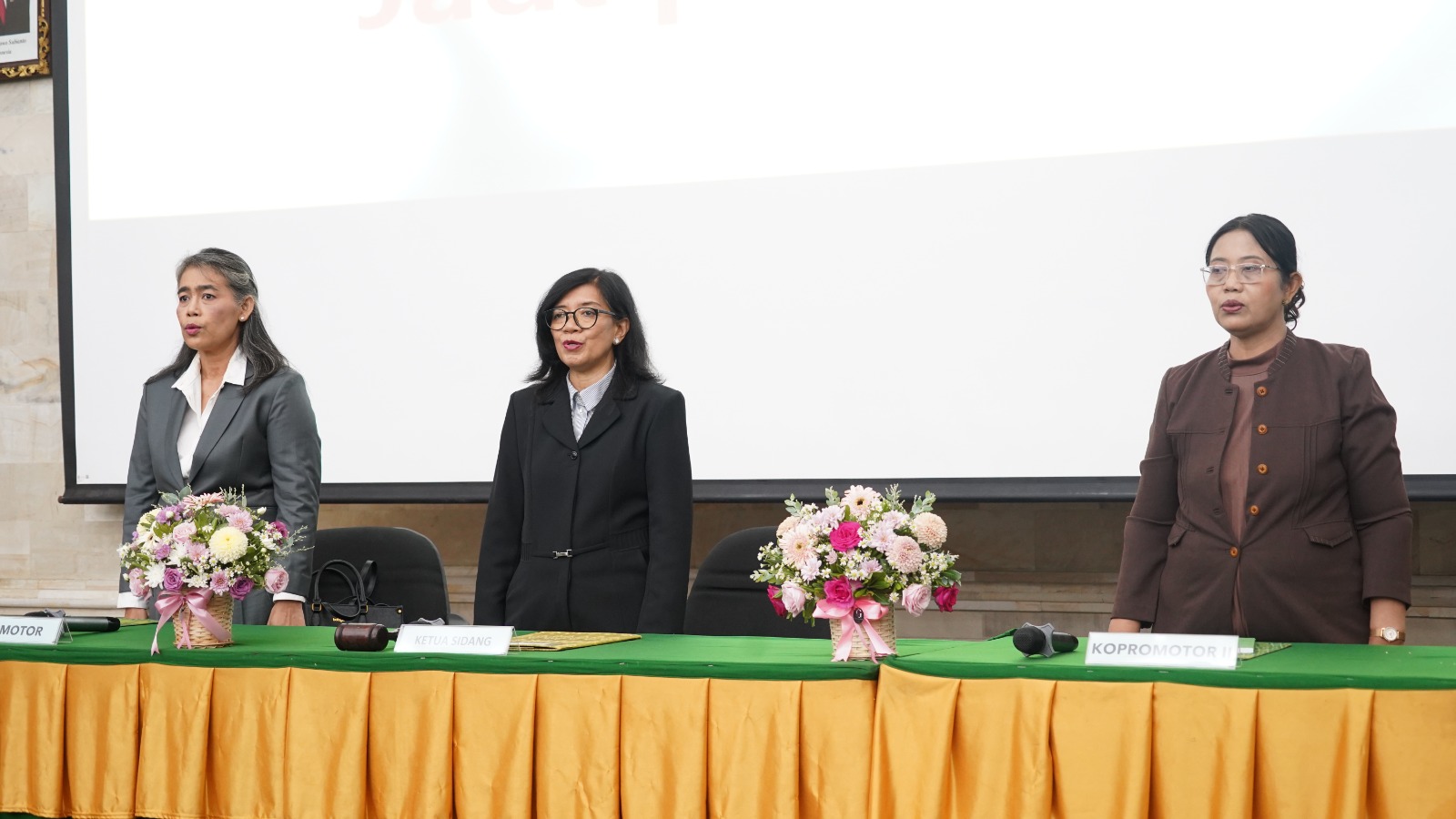
The examination was led by the Coordinator of the Doctoral Program in Biomedical Sciences, Faculty of Medicine, Prof. Dr. dr. Desak Made Wihandani, M.Kes., with the following examiners:
1. Dr. Luh Seri Ani, SKM., M.Kes (Promoter)
2. Prof. dr. Pande Putu Januraga, M.Kes., Dr.PH. (Co-Promoter I)
3. Dr. dr. Agung Wiwiek Indrayani, M.Kes (Co-Promoter II)
4. Prof. Dr. dr. I Made Jawi, M.Kes
5. Prof. Dr. Ir. Ida Bagus Putra Manuaba, M.Phil
6. Prof. Dr. dr. I Wayan Putu Sutirta Yasa, M.Si
7. Prof. Dr. dr. Cokorda Bagus Jaya Lesmana, S.Ked., Sp.KJ(K)., MARS
8. Dr. dr. Made Ratna Saraswati, Sp.PD., KEMD., FINASIM
9. Dinar Saurmauli Lubis, SKM., MPH., Ph.D
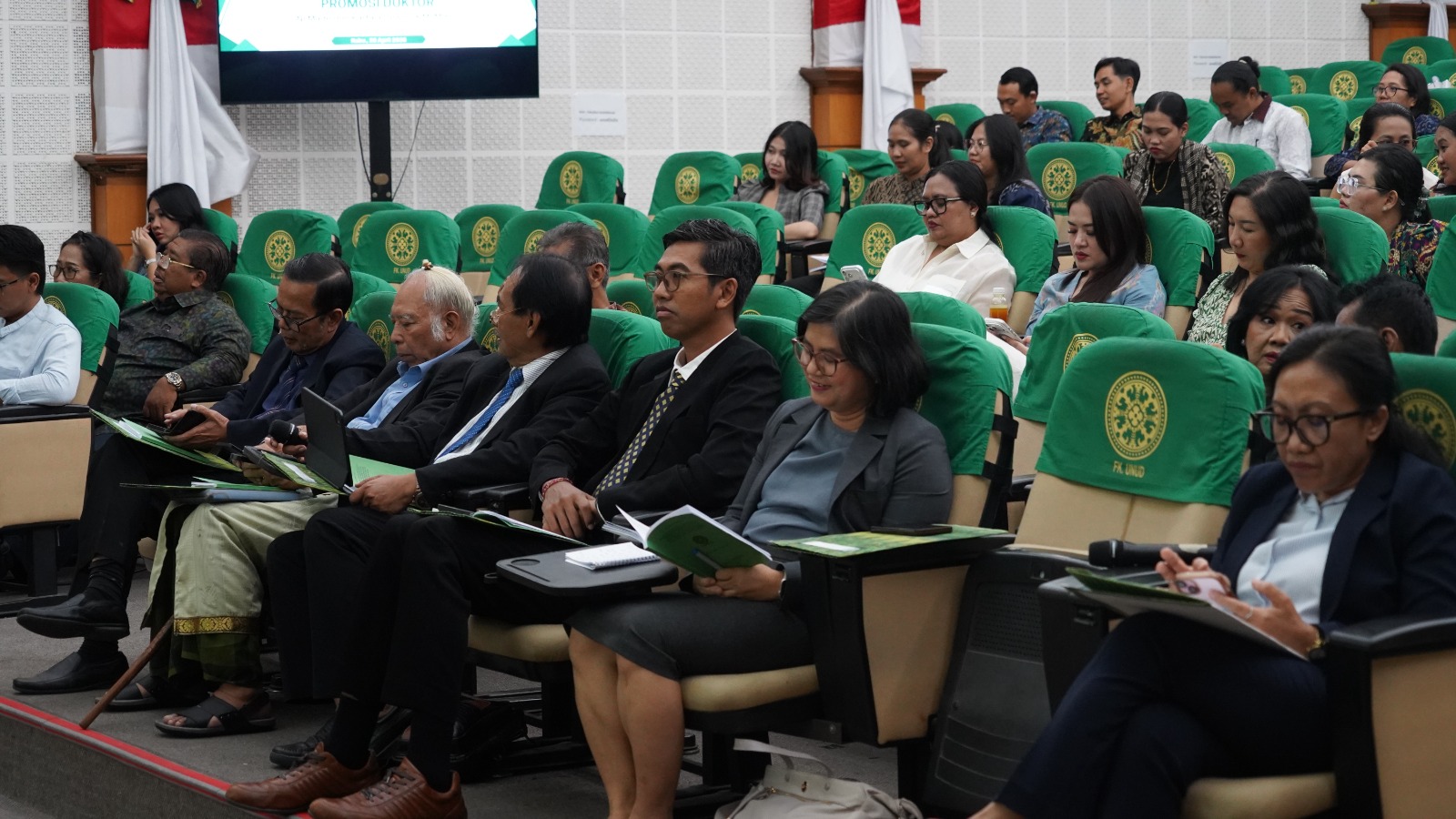
By academic invitation:
1. Prof. Dr. Drs. I Made Sugata, M.Ag
2. Dr. dr. Ketut SuarJana, S.Ked., MPH
3. Dr. Made Winarsa Ruma, S.Ked., Ph.D.
4. Dr. dr. Ni Made Sri Nopiyani, MPH
5. Dr. I Gusti Ayu Rai Widowati, S.Si., Apt., M.Kes.
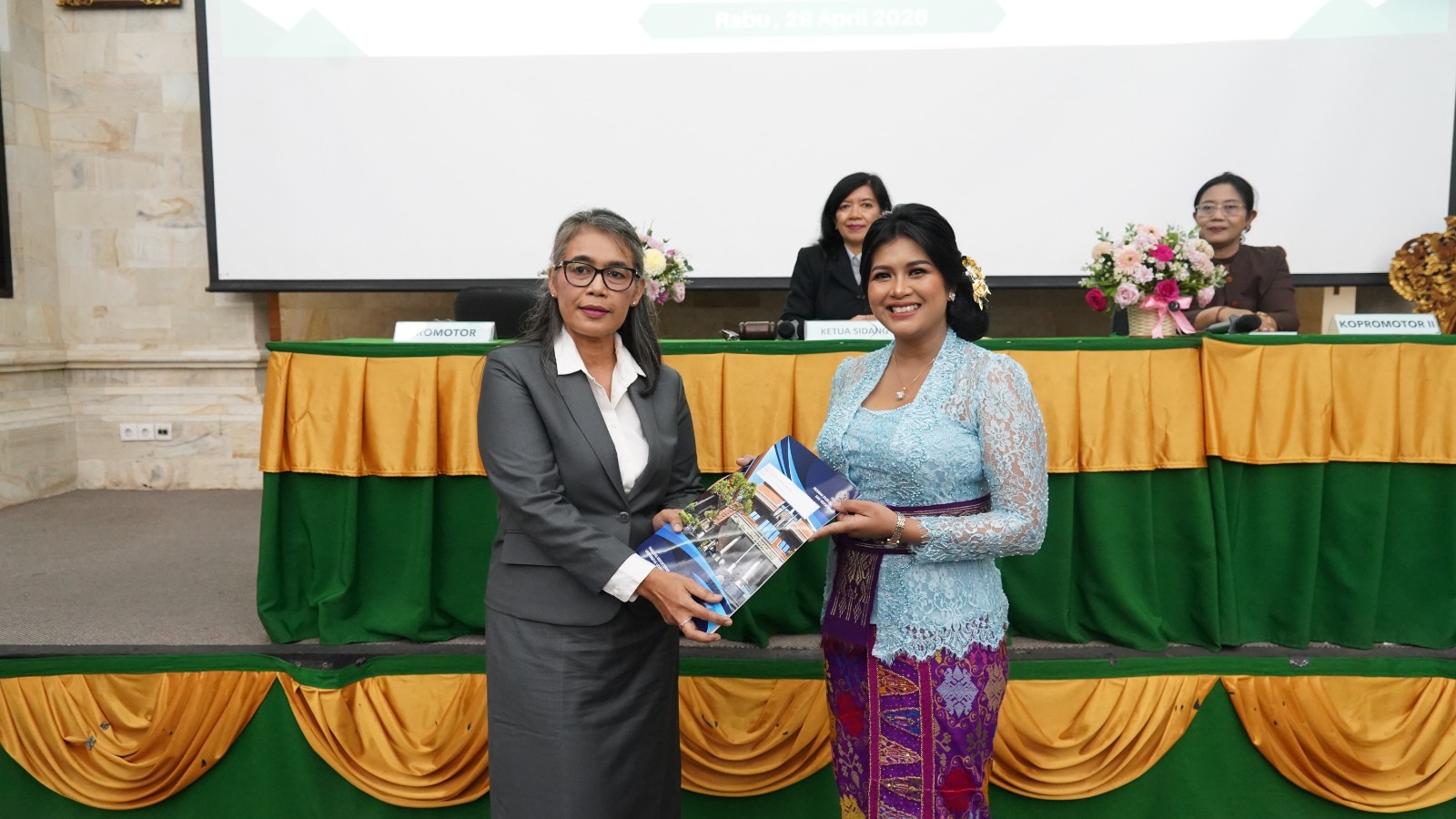
During this examination, Dr. Ni Made Umi Kartika Dewi, A.Md.Kep., S.KM., M.Kes., was declared the 491st Doctoral Graduate of the Biomedical Sciences Doctoral Study Program, Faculty of Medicine, Udayana University, with Cum Laude honors.
Gallery
UDAYANA UNIVERSITY