 ENG
ENG
 INA
INA
Doctor of Medicine Develops Antibiotic-Wise Village Model (SAJAKA) to Prevent and Control Antimicrobial Resistance
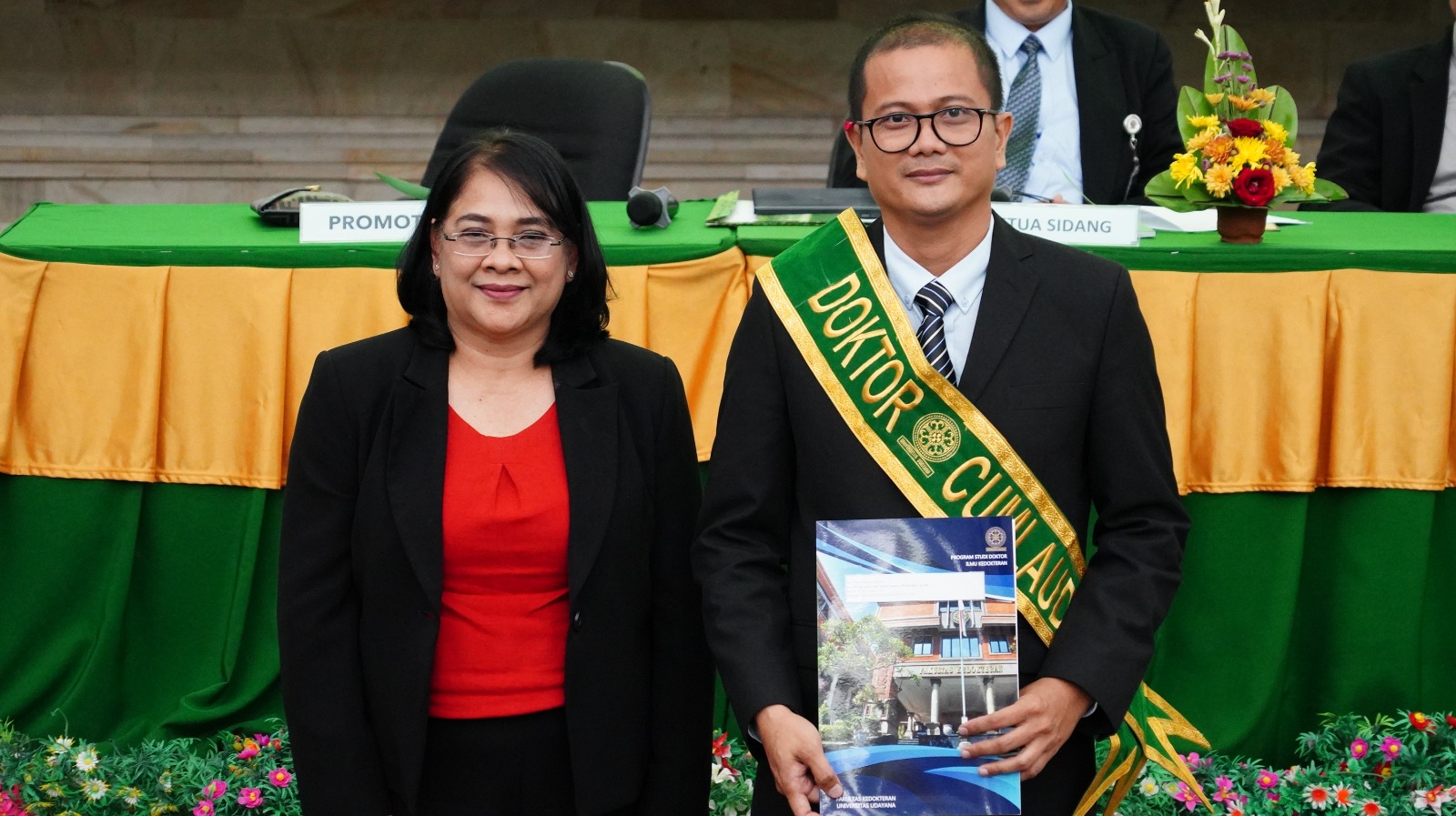
Doctor of Medicine Develops Antibiotic-Wise Village Model (SAJAKA) to Prevent and Control Antimicrobial Resistance
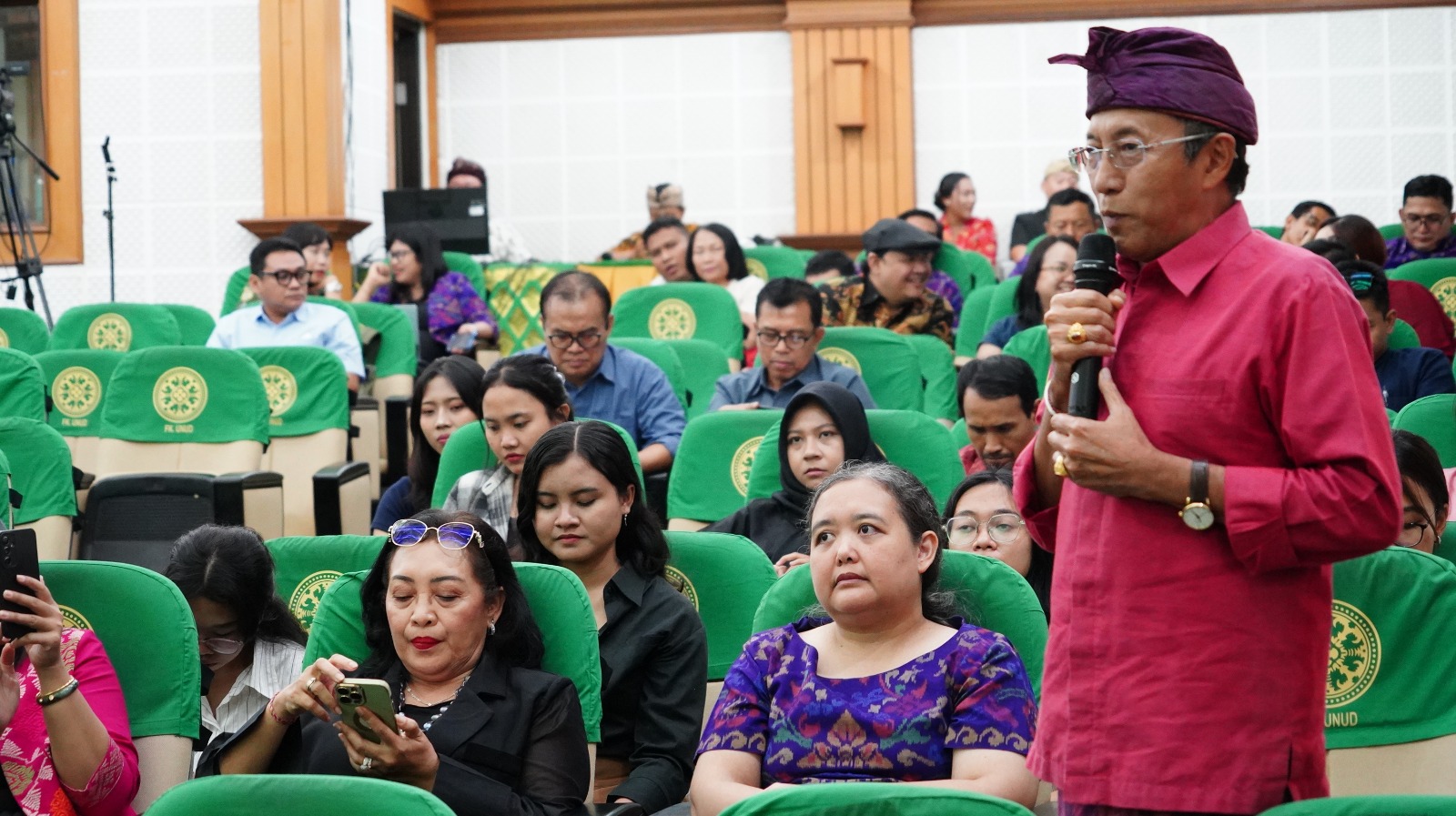
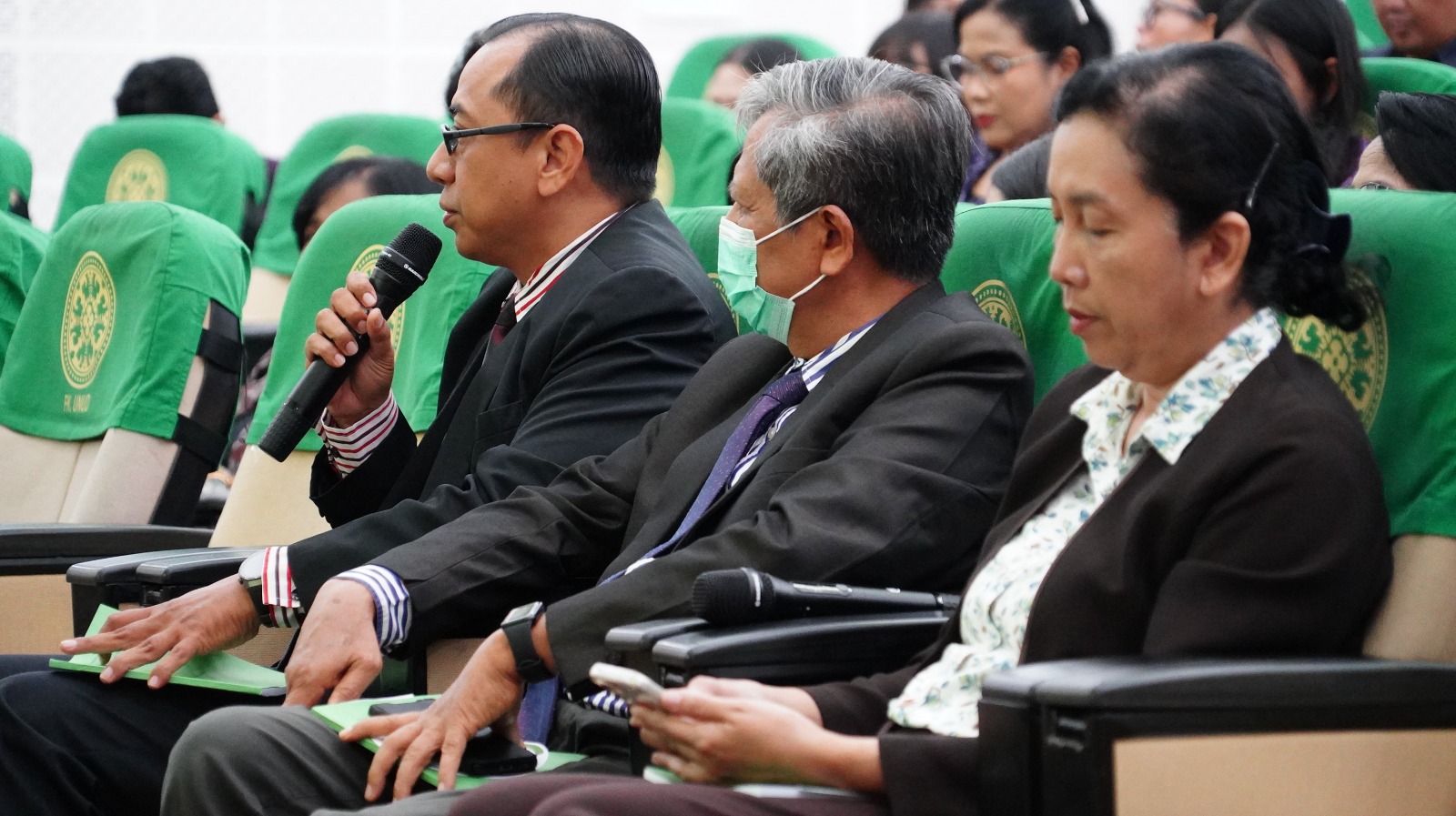
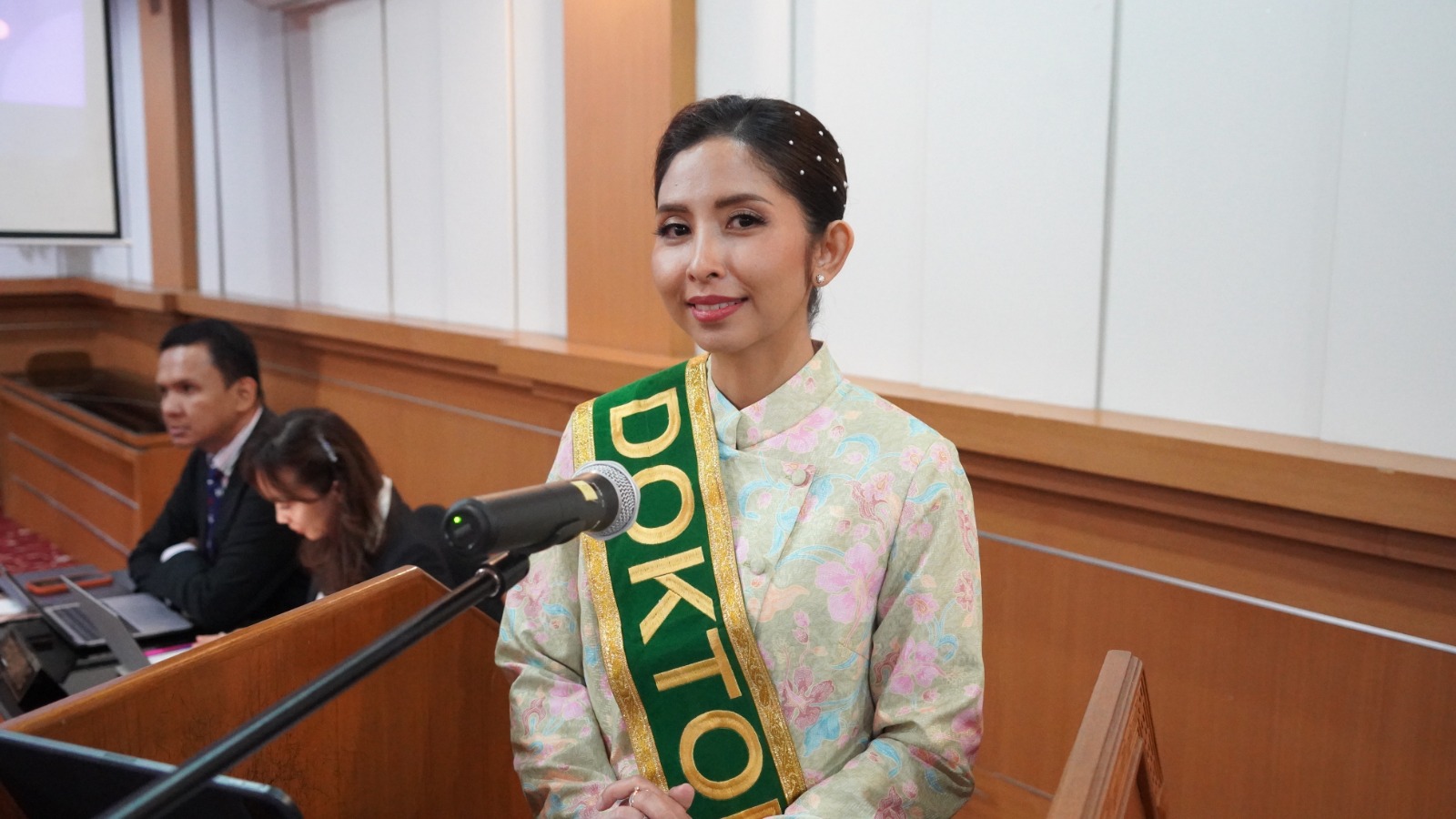
Held in the Dr. A.A. Made Djelantik Meeting Room, Fourth Floor, Faculty of Medicine Building, Jl. PB Sudirman, Denpasar, Bali, the Doctor of Medicine Study Program, Faculty of Medicine, Udayana University, held an open defense for Research-Based Doctoral Promotion (Research) with candidate Dr. dr. I Wayan Agus Gede Manik Saputra, M.Ked.Klin, Sp.MK., with the dissertation title "Development of the Antibiotic-Wise Village Model (SAJAKA) to Prevent and Control Antimicrobial Resistance with a One Health Approach." (November 13, 2025)
Antimicrobial resistance (AMR) is a global health issue impacting human, animal, and environmental health. A One Health-based community engagement approach offers a holistic framework for AMR prevention and control, particularly in developing countries. This study aimed to develop and test the Antibiotic Wise Village (SAJAKA) model as a community intervention designed to strengthen multisector collaboration and encourage the wise use of antibiotics. Model validation was conducted in four villages (Belalang, Buwit, Nyitdah, and Pejaten) in Kediri District, Tabanan Regency, Bali. The model was validated by measuring changes in knowledge and behavioral characteristics following the intervention in four main target groups: housewives, schoolchildren, health workers, and poultry farmers.
Results showed a significant increase in knowledge across all groups (p< 0.05), with average scores increasing for housewives (26.65/52%), schoolchildren (18.05/31.29%), livestock farmers (30.69/58.39%), and health workers (14.39/18.13%). Positive behavioral characteristics were characterized by low household antibiotic storage practices (3.39%) and the absence of antibiotic-containing animal feed (100%). However, irrational antibiotic prescribing practices were still found in cases of diarrhea (18.18%) and acute respiratory infections (ARI) (41.02%) among healthcare workers. Environmental quality testing identified Escherichia coli in several river and spring water sources, although all tested isolates demonstrated sensitivity to third-generation cephalosporins.
Stakeholder analysis indicated the effective involvement of the pentahelix elements, namely Academia-Business-Community-Government-Media (ABCGM), in supporting model implementation. Based on the scoring system, only Buwit Village received a score of 7 and was classified as an "Antibiotic-Smart Village." Overall, the SAJAKA model has proven feasible, adaptable to the local context, and replicable as an integrative strategy for AMR mitigation at the community level.
The model was officially opened by the Vice Dean for General Affairs and Finance of the Faculty of Medicine, Udayana University, Dr. dr. I Made Muliarta, S.Ked, M.Kes., who expressed his appreciation and congratulations for the success of the model. I Wayan Agus Gede Manik Saputra, M.Ked.Klin, Sp.MK., who has completed his doctoral studies and hopes that the results of this research will not stop here and will develop further to produce products that benefit the wider community.
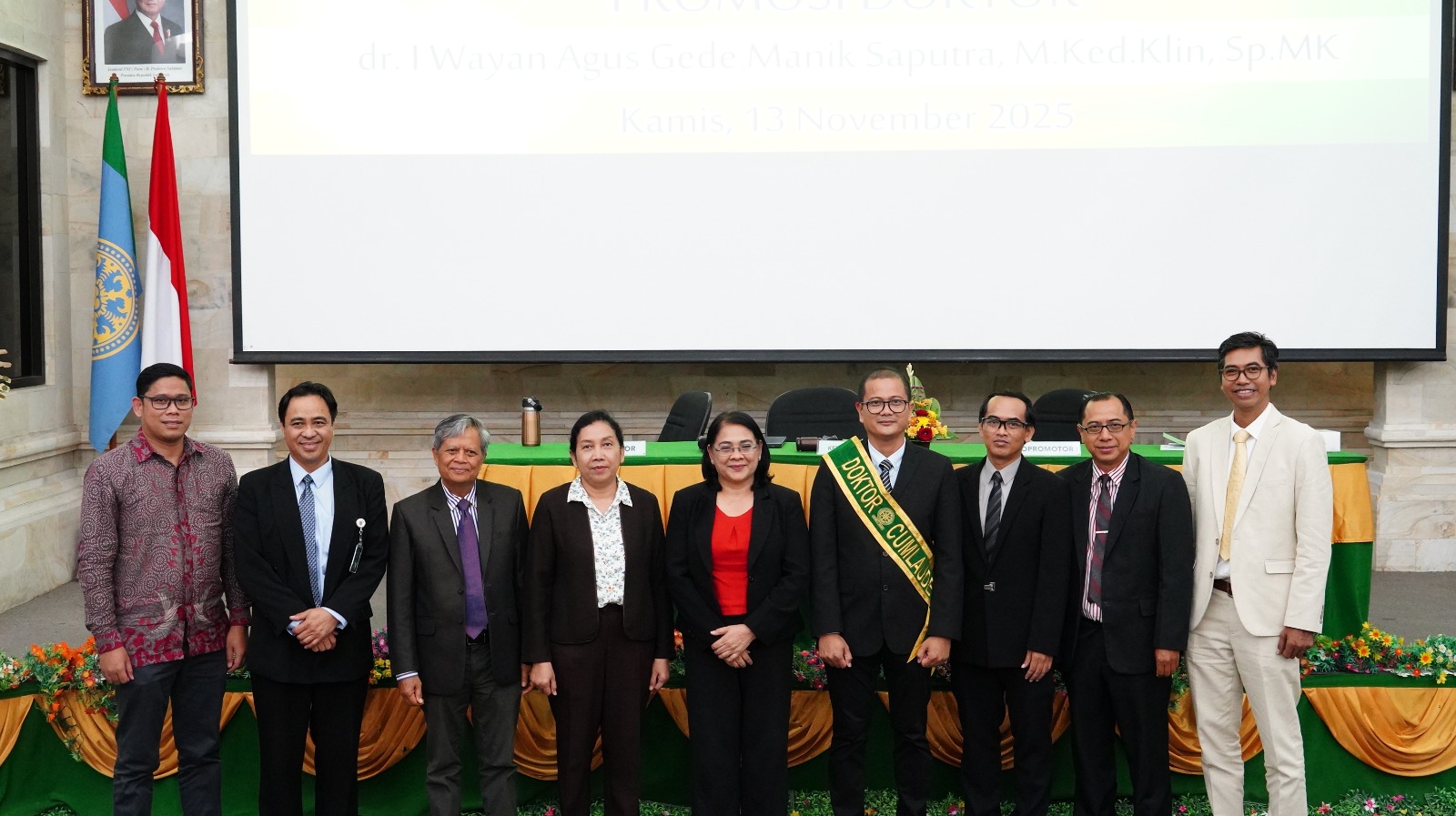
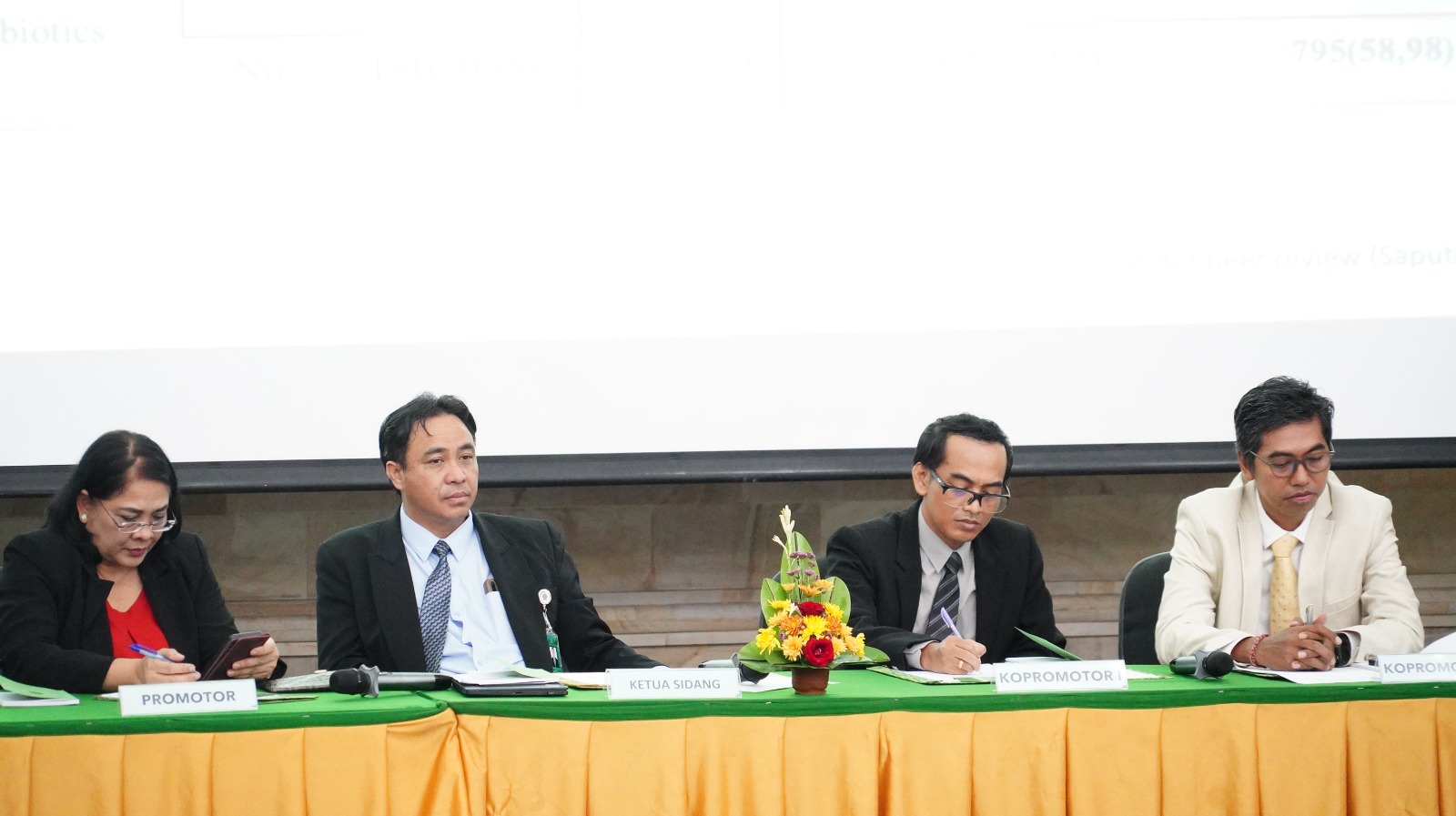
This examination was led by the Vice Dean for General Affairs and Finance of the Faculty of Medicine, Udayana University, Dr. dr. I Made Muliarta, S.Ked, M.Kes., with the following examining team:
1. Prof. Dr. dr. Ni Nyoman Sri Budayanti, Sp.MK(K) (Promoter)
2. Prof. dr. I Md. Ady Wirawan, MPH., Ph.D. (Co-Promoter I)
3. Prof. Dr. dr. Cokorda Bagus Jaya Lesmana, S.Ked, Sp.KJ (K), MARS (Co-Promoter II)
Academic invitees:
1. Prof. Dr. dr. I Wayan Weta, MS., Sp.GK (K)
2. Dr. dr. Anak Agung Sagung Sawitri, MPH
3. Dr. dr. Made Agus Hendrayana, S.Ked, M.Ked.
In this exam, Dr. dr. I Wayan Agus Gede Manik Saputra, M.Ked.Klin, Sp.MK., was declared the 477th graduate of the Doctoral Program in Medical Sciences, Faculty of Medicine, Udayana University, with the distinction of Cum Laude.
Gallery
UDAYANA UNIVERSITY