 ENG
 INA
Evaluating Campus Services and Facilities: DPM FK Unud Holds a Public Hearing with the Dean’s Office
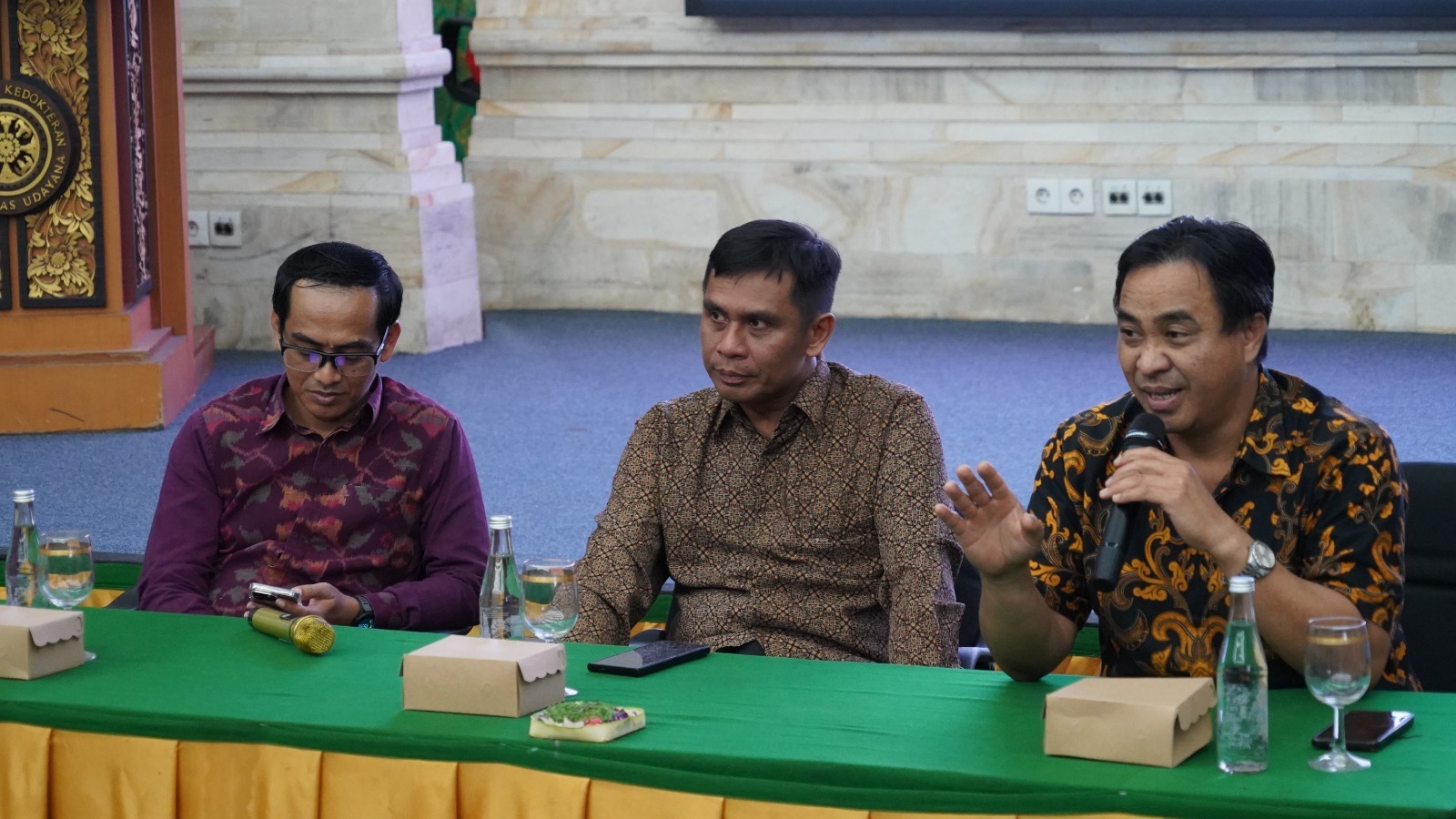
Evaluating Campus Services and Facilities: DPM FK Unud Holds a Public Hearing with the Dean’s Office
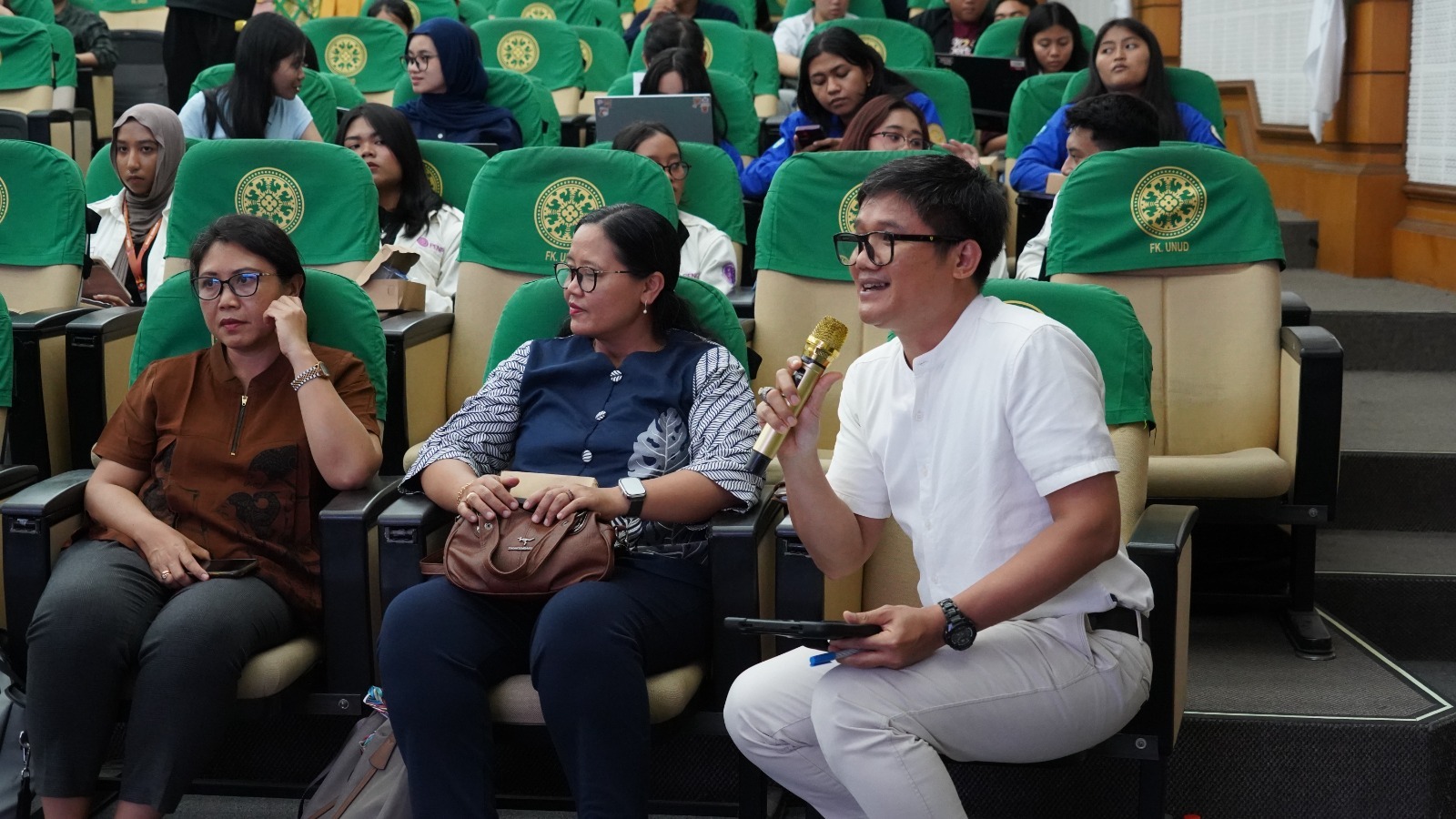
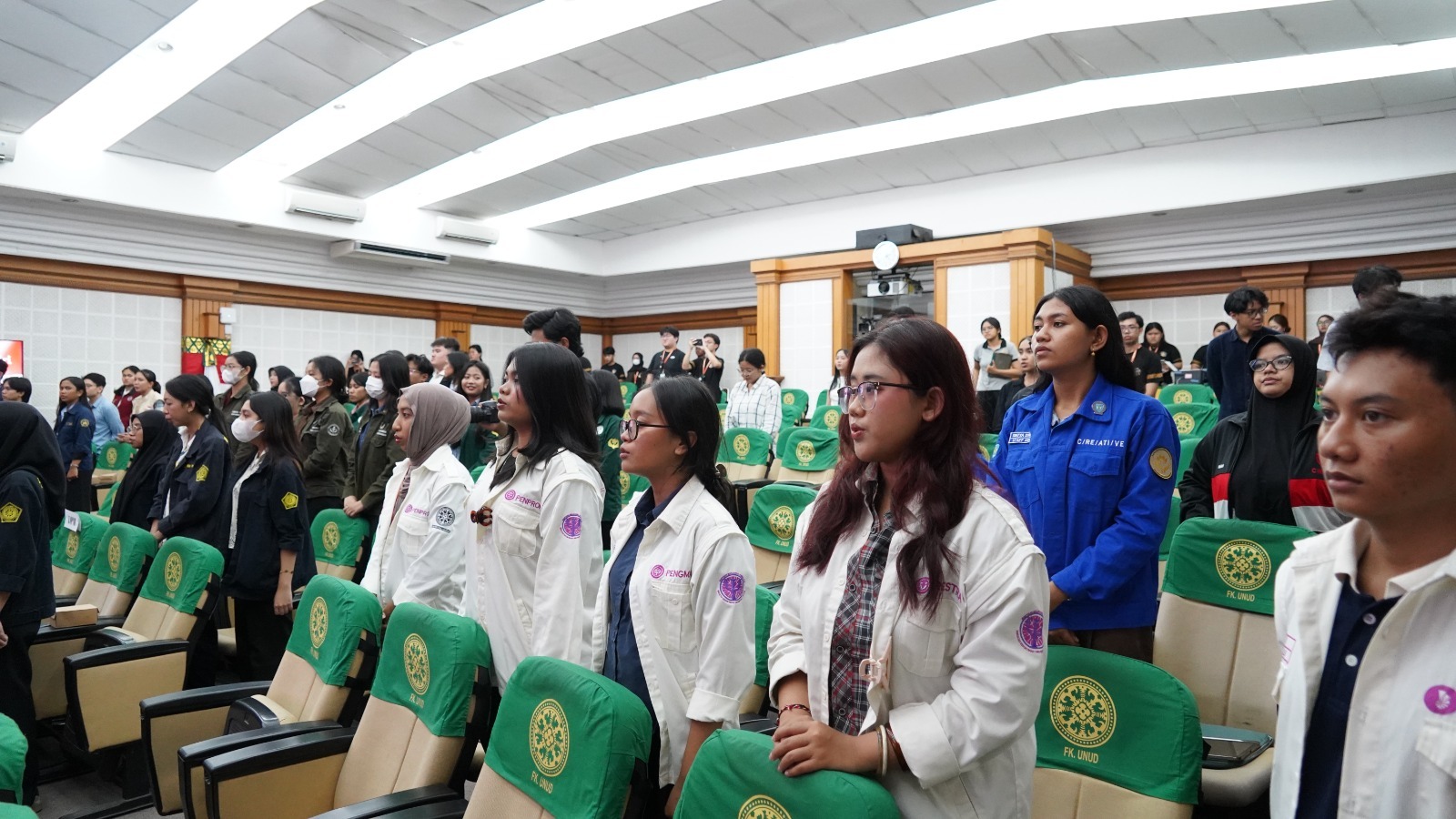
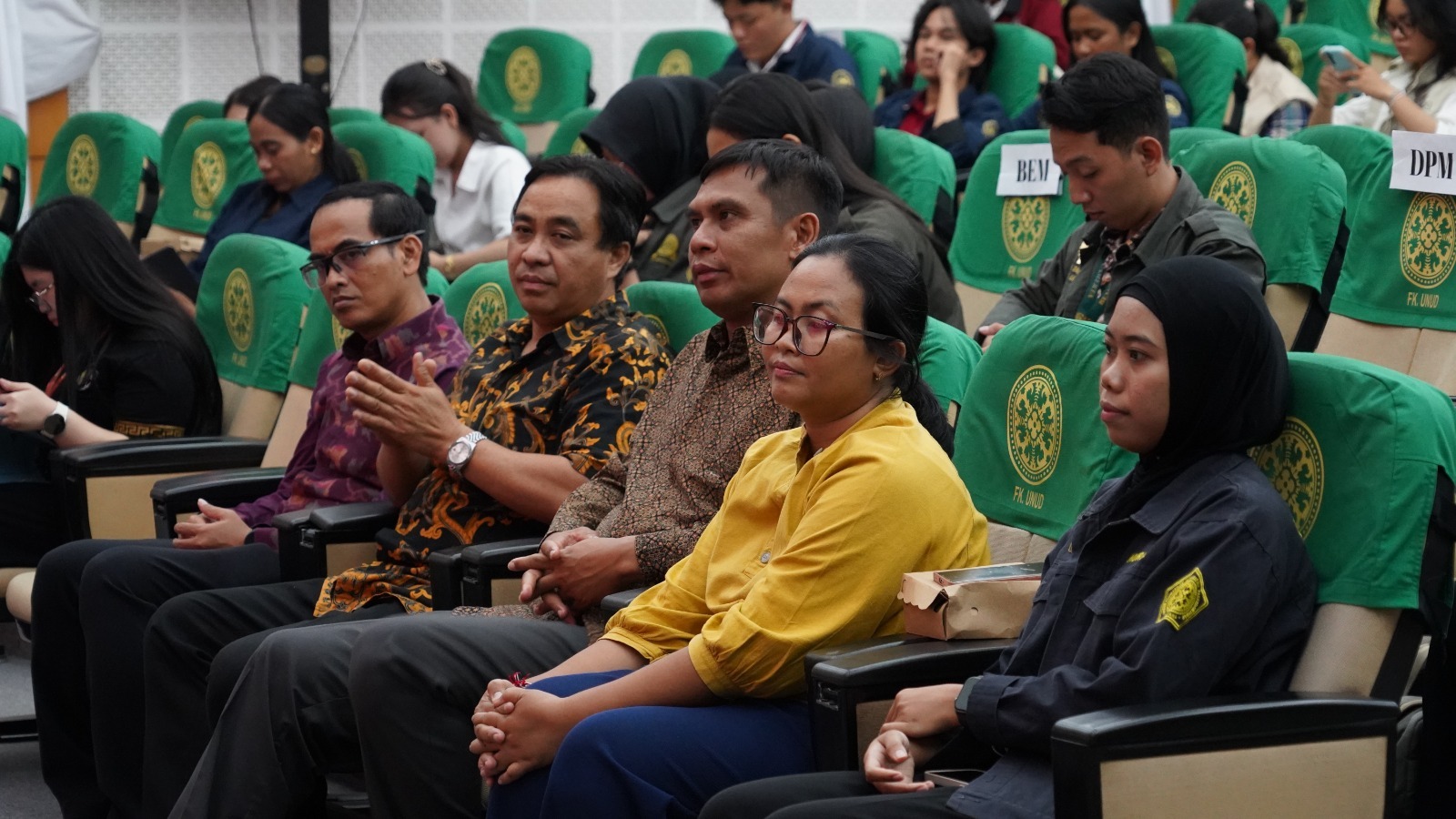
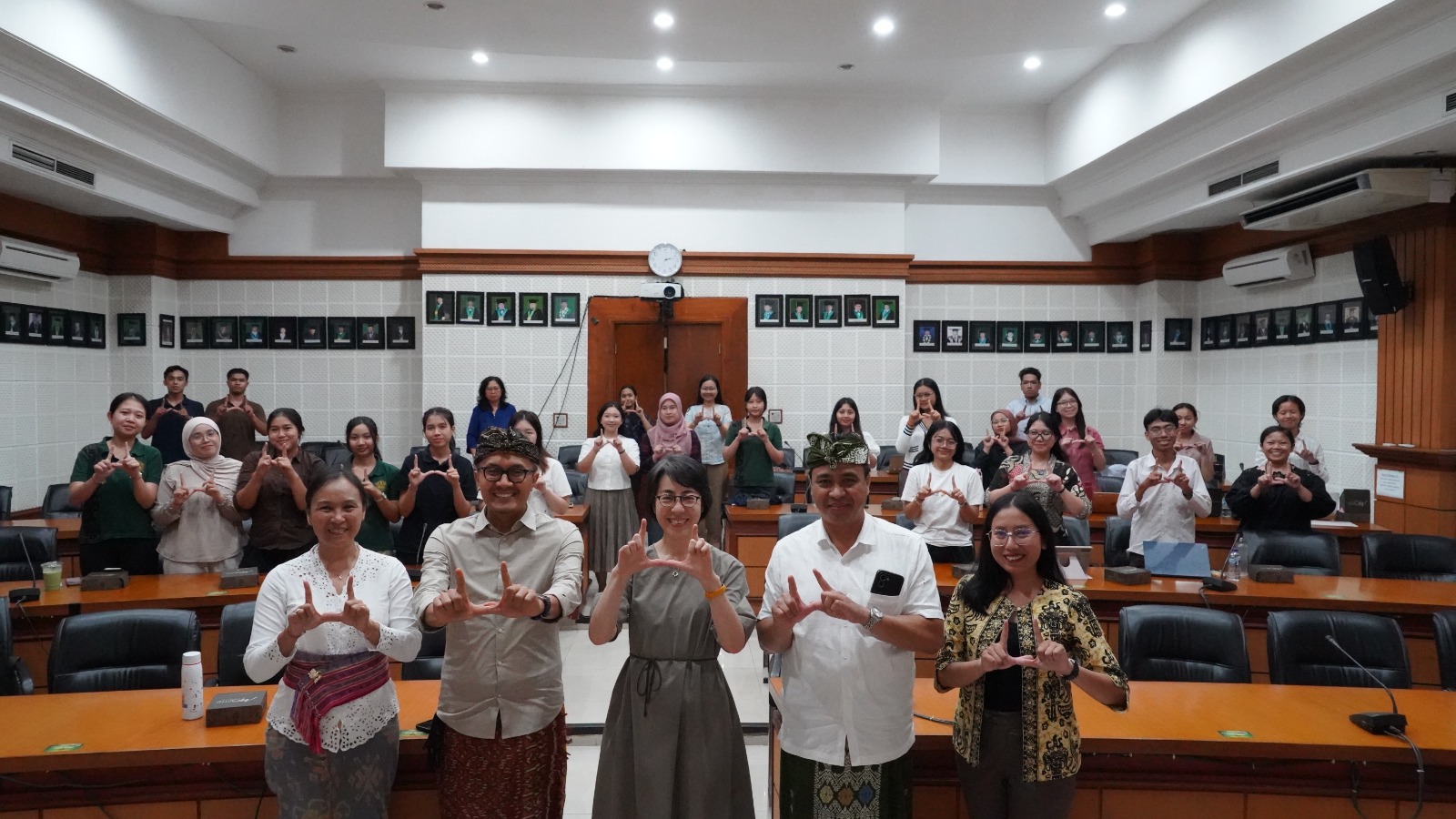
The Student Representative Council of the Faculty of Medicine, Udayana University (DPM FK Unud), held a Public Hearing (Rapat Dengar Pendapat/RDP) for the year 2026 at the Dr. A. A. Made Djelantik Meeting Room, Faculty of Medicine, Udayana University, on Friday (November 6, 2026). This forum brought together the Dean’s office, heads of study programs, and representatives from student organizations across various cohorts to evaluate campus issues and seek potential solutions.
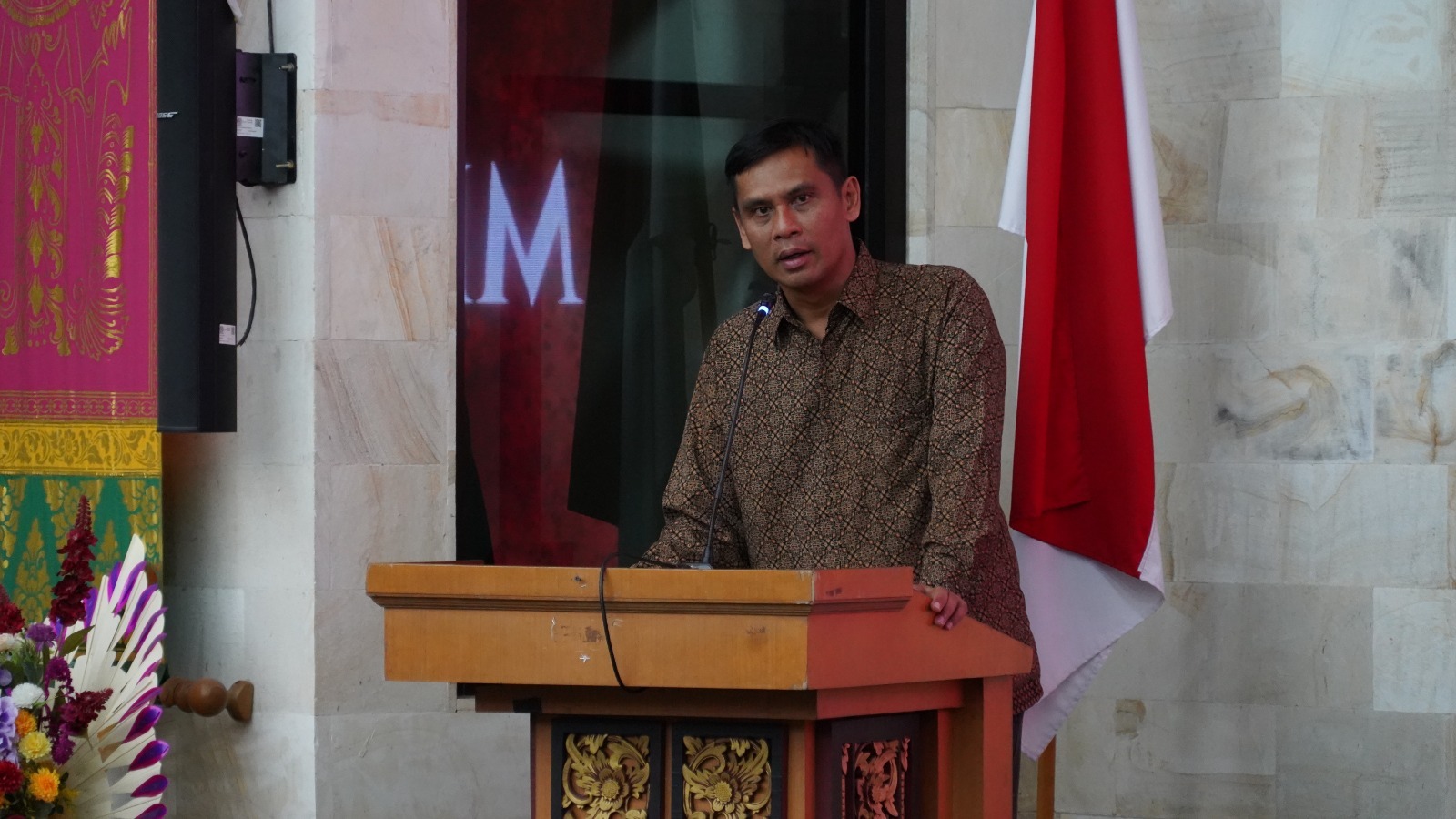
The meeting was chaired by the Dean of the Faculty of Medicine, Udayana University, Prof. Dr. dr. I Gede Eka Wiratnaya, Sp.OT(K)., accompanied by the Vice Dean for Academic and Student Affairs, Prof. dr. I Made Ady Wirawan, MPH., Ph.D.; the Vice Dean for Planning, Resources, and Partnerships, Prof. Dr. dr. I Made Muliarta, S.Ked., M.Kes.; and the Advisor to DPM FK Unud, dr. Ni Luh Putu Ariastuti, MPH.
This year’s public hearing focused on comprehensive discussions categorized into four key areas:
1. Administration and Funding Transparency
Regarding administration, the primary concern raised was the lack of detailed information concerning the application process for student-related official documents—a result of challenges in disseminating Standard Operating Procedures (SOPs) and the transition in position nomenclature. In response, the Student Executive Board (BEM) and student associations are encouraged to strengthen their communication roles, while the BEM is tasked with developing a structured problem-handling workflow, beginning at the study program level. Furthermore, critical issues regarding the efficiency of travel budgets and funding support for student competition delegations (such as RMO, IMPHO, AMYGDALA, and IMO) were discussed in depth. The dean’s office explained that budget adjustments were made to streamline travel expenditures, necessitating the implementation of a priority-based system. Nevertheless, the faculty remains committed to seeking alternative funding sources—including through alumni—striving to reimburse students who have already traveled, and maintaining transparency in budget allocation.
2. Improvement of Infrastructure, Facilities, and Supporting Amenities
Physical facilities emerged as a primary concern for students, ranging from limited space for clinical clerkship (co-assistant) areas and classrooms to small-group discussion (SGD) rooms.
Lecture & Discussion Rooms: The dean’s office is re-optimizing approximately 44 SGD rooms and implementing a "resource sharing" system (rotating usage among different study programs) to address space constraints.
Connectivity & Digitalization: Regarding unstable Wi-Fi, the faculty—in collaboration with USDI (the university’s IT division)—has planned a mapping of "blank spots" (areas with no signal) to be carried out between November and December, with a focus on immediate resolution.
Public Facilities & Sanitation: The dean’s office has prioritized several improvements, including the phased renovation of restrooms, repairs to leaking ceilings in the East Building, the provision of emergency teaching equipment (such as microphones and backup projectors), and the development of disability-friendly facilities and prayer rooms.
3. Academic Affairs and Digital Assessment Systems
In the academic sector, students raised concerns regarding the lack of detailed breakdowns for CBT (Computer-Based Test) and OSCE (Objective Structured Clinical Examination) assessment components within the SIMAK (academic information) system. In response, the dean’s office explained that the block-based medical curriculum and the high frequency of CBT assessments require specific adjustments to the university’s existing IT infrastructure.
Additionally, the density of lecture schedules and clinical rotation cycles—which pose a risk of student burnout—was noted as a significant concern. The Faculty has agreed to re-evaluate the schedule to make it more ergonomic, while ensuring sufficient break times and space for religious observances. Regarding the university’s policy to reduce the Google Drive storage capacity from 100 GB to 15 GB, students are advised to utilize alternative storage management solutions and to periodically organize their data.
4. Parking Management and Operational Funding for Activities
In other areas, parking arrangements at the faculty level will be reorganized; security personnel will define specific zones to ensure more orderly usage. Discussions also addressed funding solutions for facility operations and overtime pay for technical staff supporting student activities. Such activities may be supported through self-funding, participant contributions, faculty support, or the application for subsidies, managed through coordinated planning.
Through this 2026 Work and Budget Planning Meeting (RDP 2026), the Dean’s Office and student organizations have committed to strengthening synergy, communication, and transparency to support the achievement of institutional goals. The Faculty of Medicine at Udayana University is dedicated to continuously improving the quality of education, facilities, and student services, ensuring the well-being and future success of the entire academic community.
Gallery

UDAYANA UNIVERSITY