 ENG
ENG
 INA
INA
Flash Flood Disaster Response: An Initial Step to Strengthening Primary Care Resilience

Flash Flood Disaster Response: An Initial Step to Strengthening Primary Care Resilience
The flash floods have slowly receded in Tukka District, Central Tapanuli Regency. However, for the residents of Sipange, Hutanabolon, and Bona Lumban, traces of the flooding remain: piles of wood still lying on the roads, schools still covered in mud, clean water not yet restored, electricity still unstable, several areas still isolated, and shelters for evacuees being built. It is at this stage that the disaster transforms from a natural event into a test of system resilience—especially the health system.
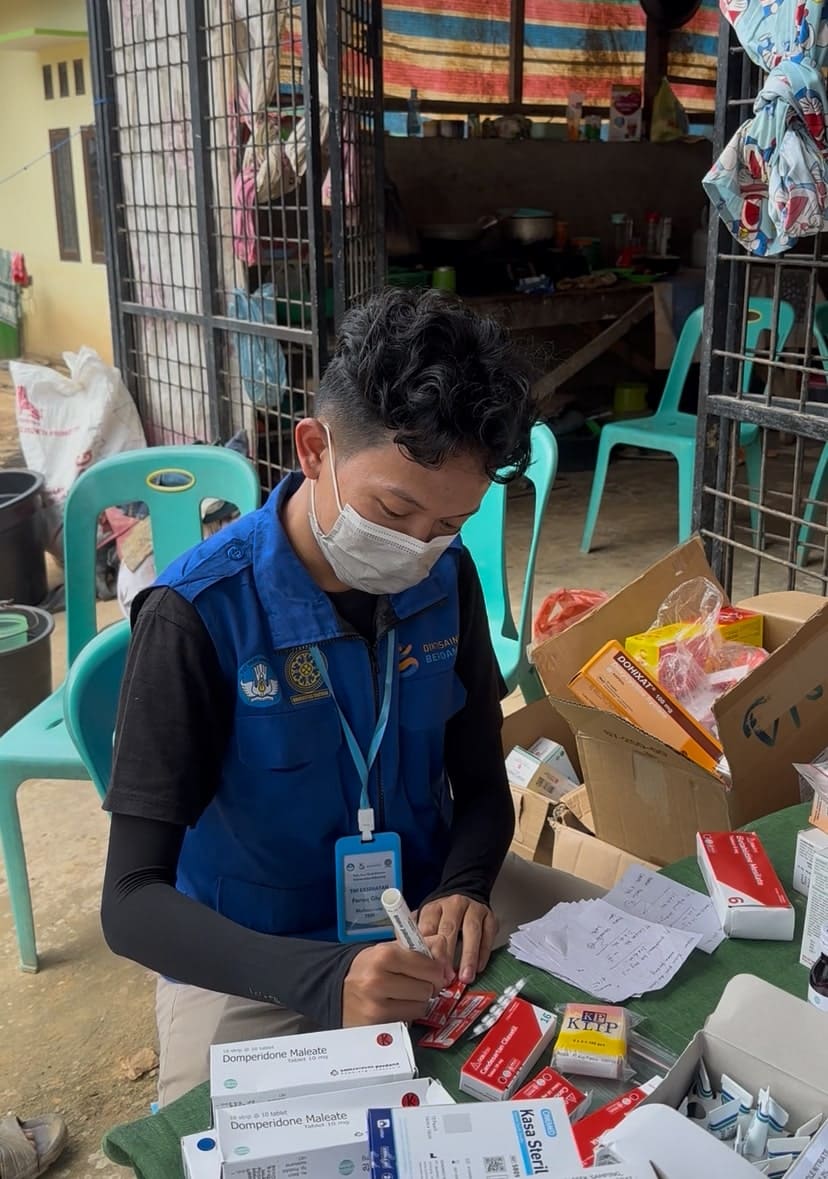
From December 23–26, 2025, the Faculty of Medicine of Udayana University was present in Tukka. The team not only brought medicine and medical equipment but also brought an important message: disaster management is an ongoing process, and the emergency response period is a golden opportunity to begin a more resilient recovery.
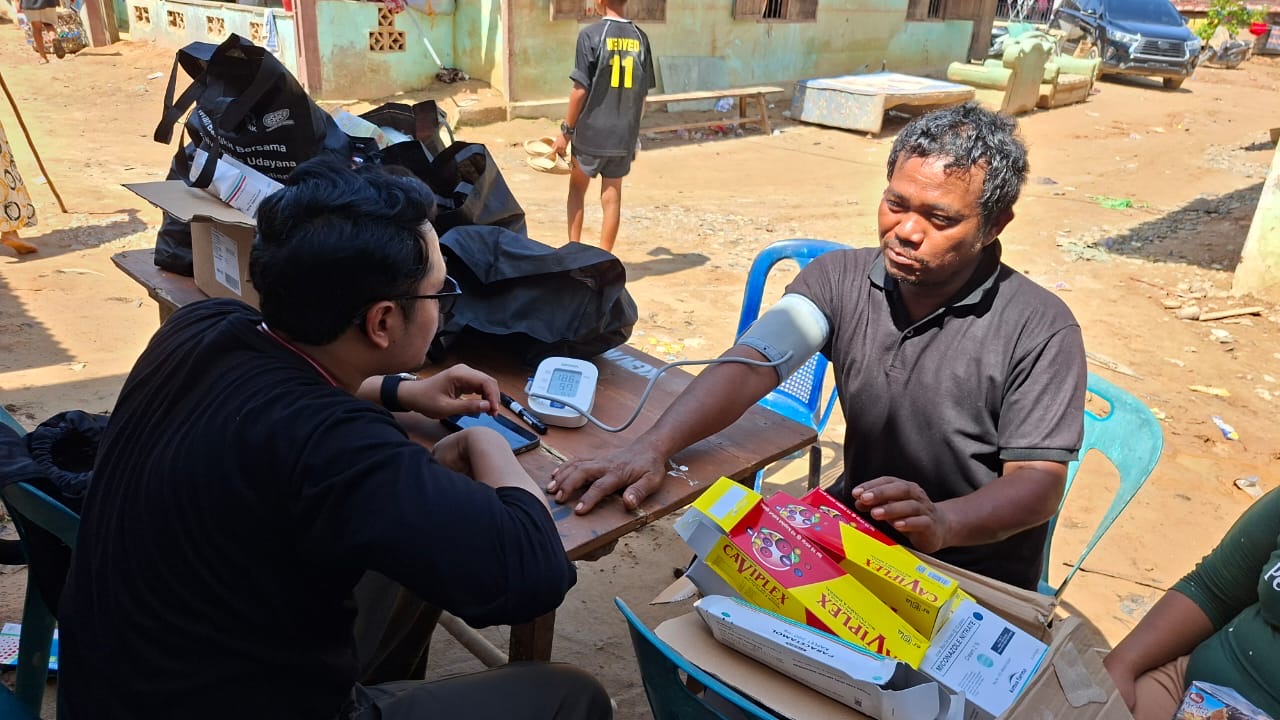
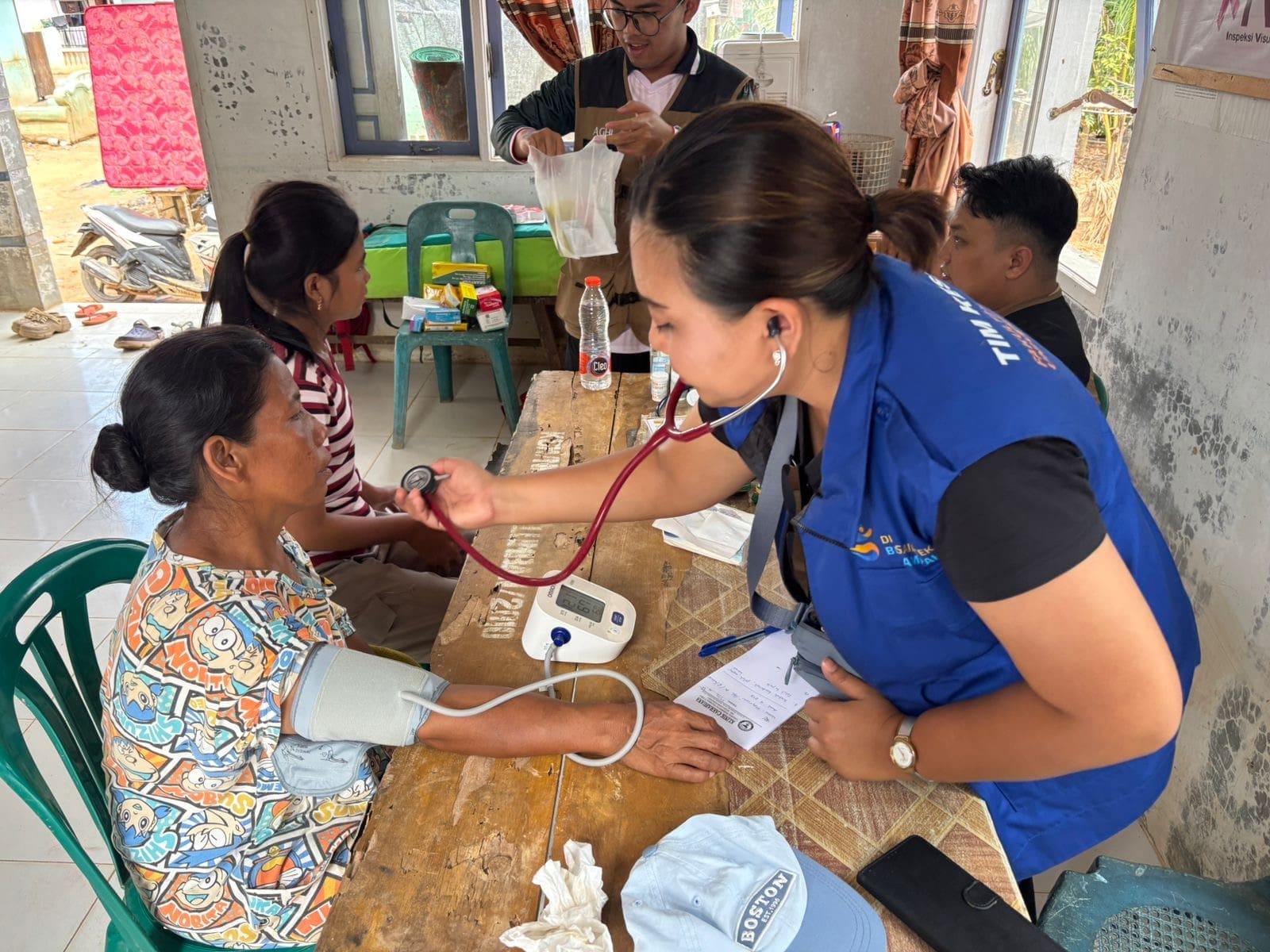
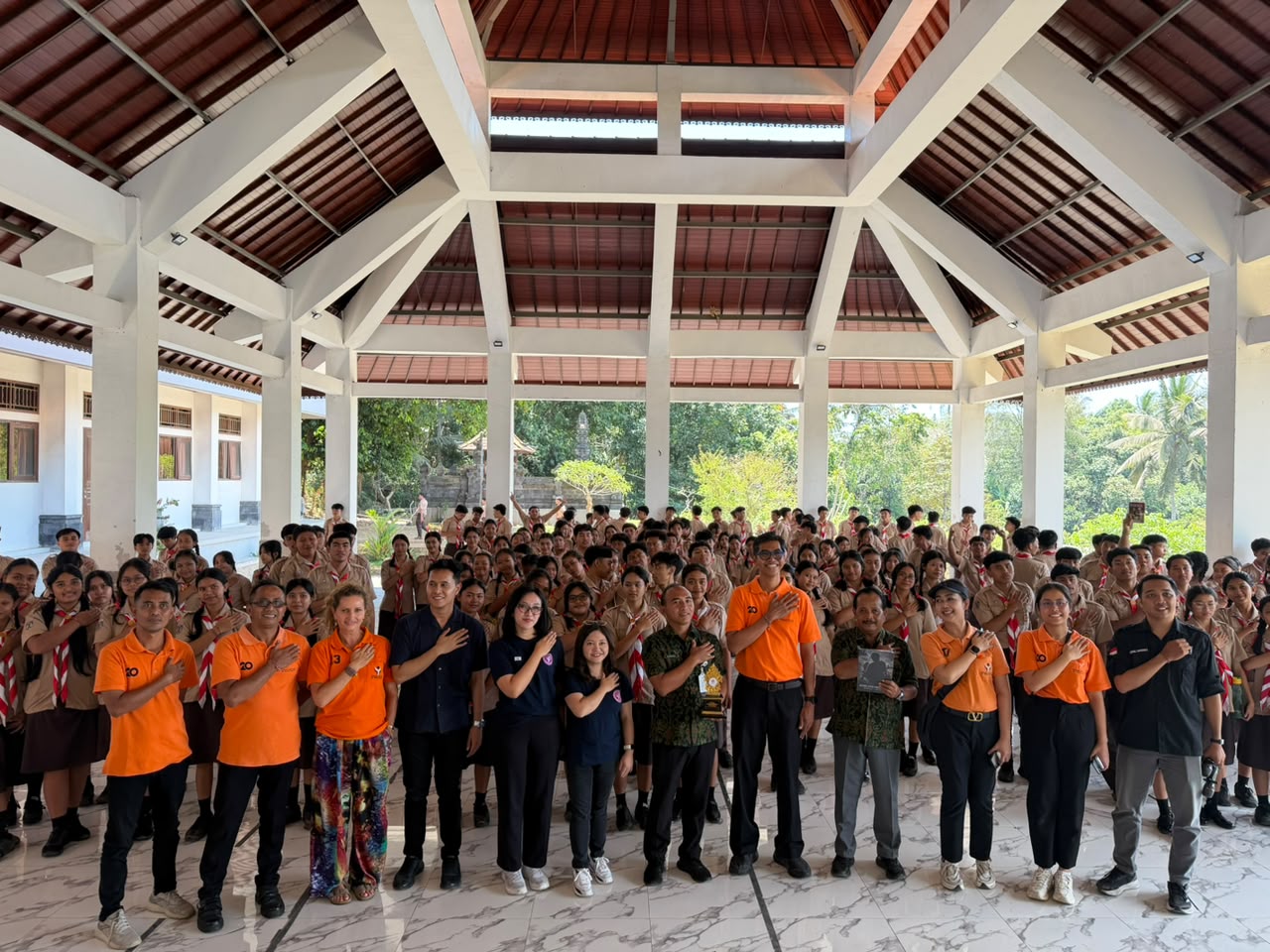
At the simple service post, elderly people waited their turn. Their coughs persisted, their blood pressure increased, and their skin itched from the dirty water. Acute respiratory infections (ARI), hypertension, and skin diseases were the most common complaints—figures that capture the story of damp homes, poor sanitation, and prolonged fatigue. A total of 207 residents received health services. On the final day, 135 children participated in education on worm control and self-protection, a reminder that disasters also target the sense of security of the youngest generation.
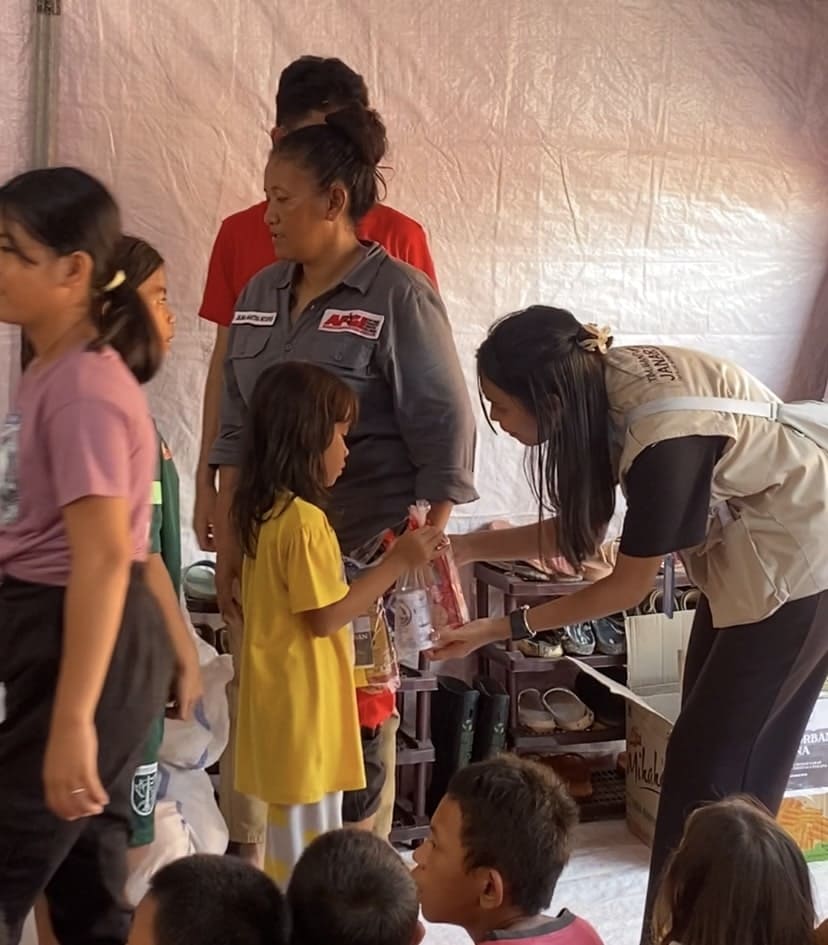
The children's education on the final day symbolizes the direction of recovery: healing the body while building generational resilience. Children return home with knowledge and a sense of security that can provide a small asset to face the increasing risk of disasters resulting from climate change.
Disaster management can begin when a disaster strikes, although it is best to start early, before the floods arrive. Disaster management needs to be developed pre-disaster, tested during emergency response, and its success determined during rehabilitation and reconstruction. However, in this situation, emergency response is a golden opportunity to build a stronger recovery.
Realizing PHC Resilience in Central Tapanuli
This golden opportunity aligns with the concept of primary health care (PHC Resilience) resilience developed by the World Health Organization. The WHO emphasizes that primary health care services must be able to anticipate, absorb, adapt, and recover from shocks, without losing their essential function for the community.
In Central Tapanuli, PHC Resilience means making primary care an anchor of recovery: community health centers that remain functional during crises, an active network of community cadres, an adaptive referral system, and continuity of services for chronic diseases and vulnerable groups. Emergency response is not the end point, but rather the entry point to strengthening long-term health care resilience.
Field practice shows that PHC strengthening cannot stand alone. It requires the interconnectedness of all sub-clusters within the health cluster—such as health services, infectious disease prevention, reproductive health, clean water and sanitation, nutrition, women and children's protection, shelter and infrastructure, and psychosocial support—to ensure a coordinated recovery. This cross-cluster and cross-cluster collaboration ensures primary care is not vulnerable when the next crisis strikes.
Extreme Weather, Climate Change, and Health System Preparedness
The flooding in Tukka also serves as a reminder of a larger reality: the increasing incidence of extreme weather events as a result of climate change. High rainfall intensity, longer flood duration, and recurring health impacts demand more systematic preparedness.
In this context, primary health care preparedness is key. This includes climate risk mapping, strengthening surveillance of climate-sensitive diseases, preparing essential logistics and medicines, and training health workers in disaster and climate response. PHC Resilience is not just a global concept, but a local necessity so that communities don't have to start from scratch every time a disaster strikes.
For the Udayana University Faculty of Medicine team, medical services are only the beginning of strengthening their role in public health crisis management. When the Udayana University Faculty of Medicine team left Tukka, the floodwaters had indeed receded. But the real work has just begun—transforming the emergency response into a resilient primary health care system, adaptive to disasters, and ready to face climate change. Because ultimately, disasters are not just about overflowing waters, but about how people prepare systems to survive and recover together.
Greetings from Humanity.
Gallery



UDAYANA UNIVERSITY