 ENG
ENG
 INA
INA
Psychiatry Specialist Study Program Workshop at FK UNUD Strengthens Curriculum and Quality of Psychiatric Education
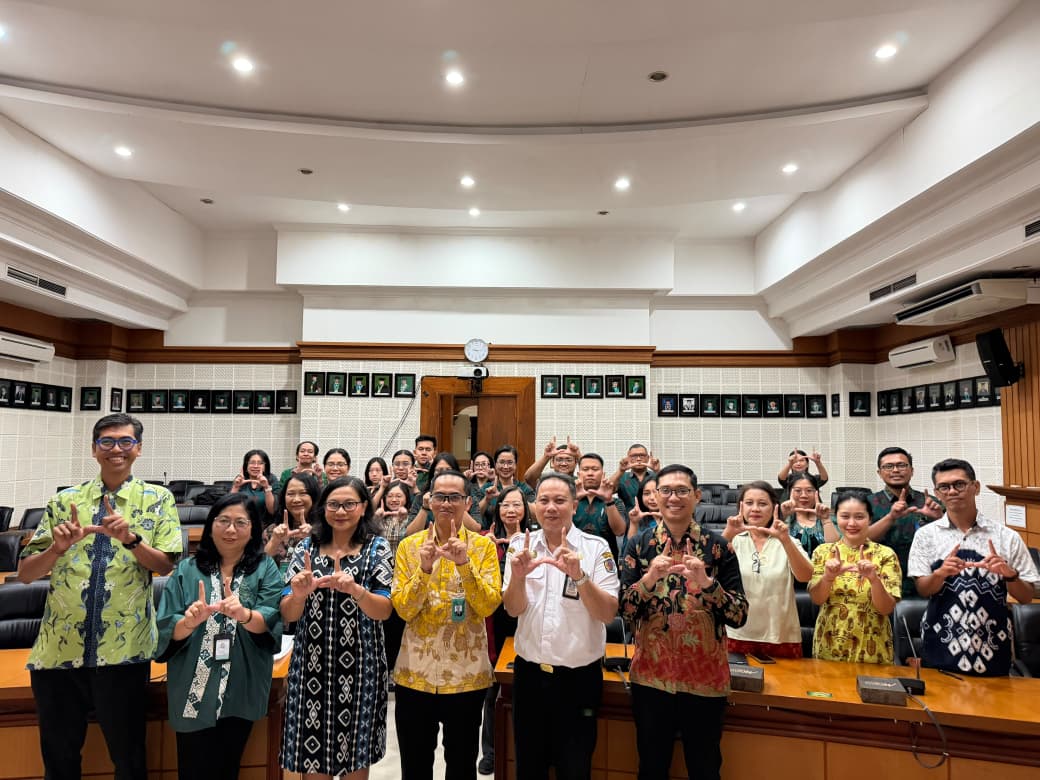
Psychiatry Specialist Study Program Workshop at FK UNUD Strengthens Curriculum and Quality of Psychiatric Education
The Psychiatry Specialist Study Program at the Faculty of Medicine, Udayana University (FK UNUD), held a curriculum development workshop on September 23, 2026. This event was part of an effort to enhance the quality of psychiatric specialist education, align the curriculum with evolving mental health needs, and ensure compliance with educational and accreditation standards.
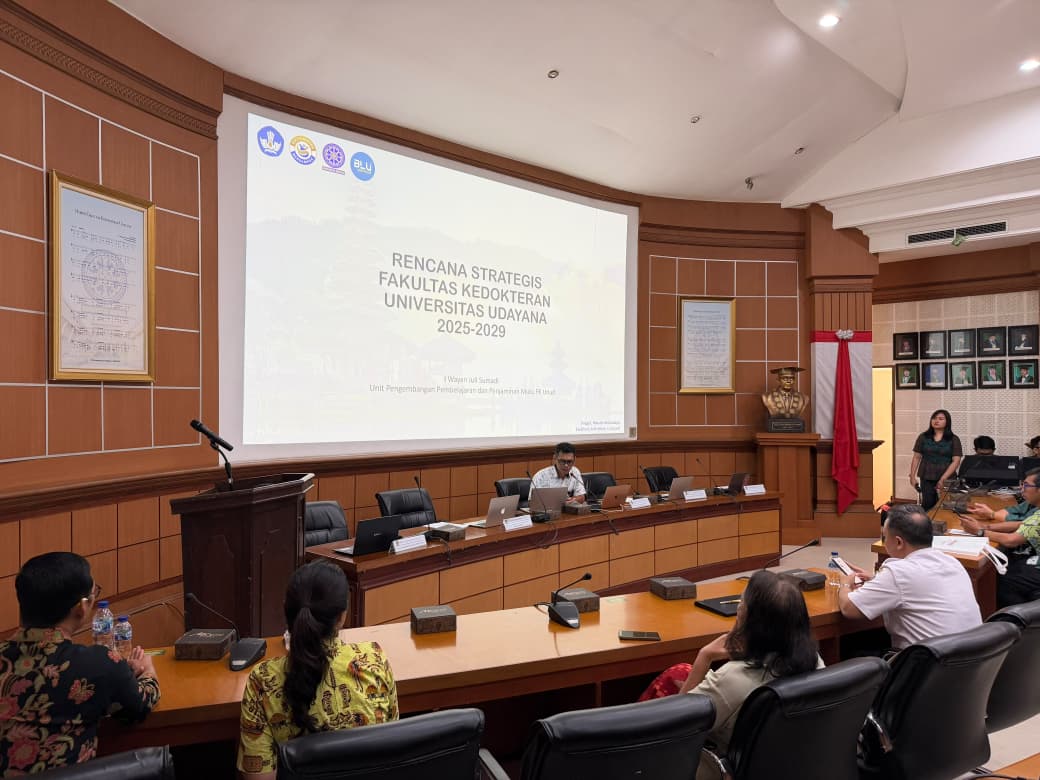
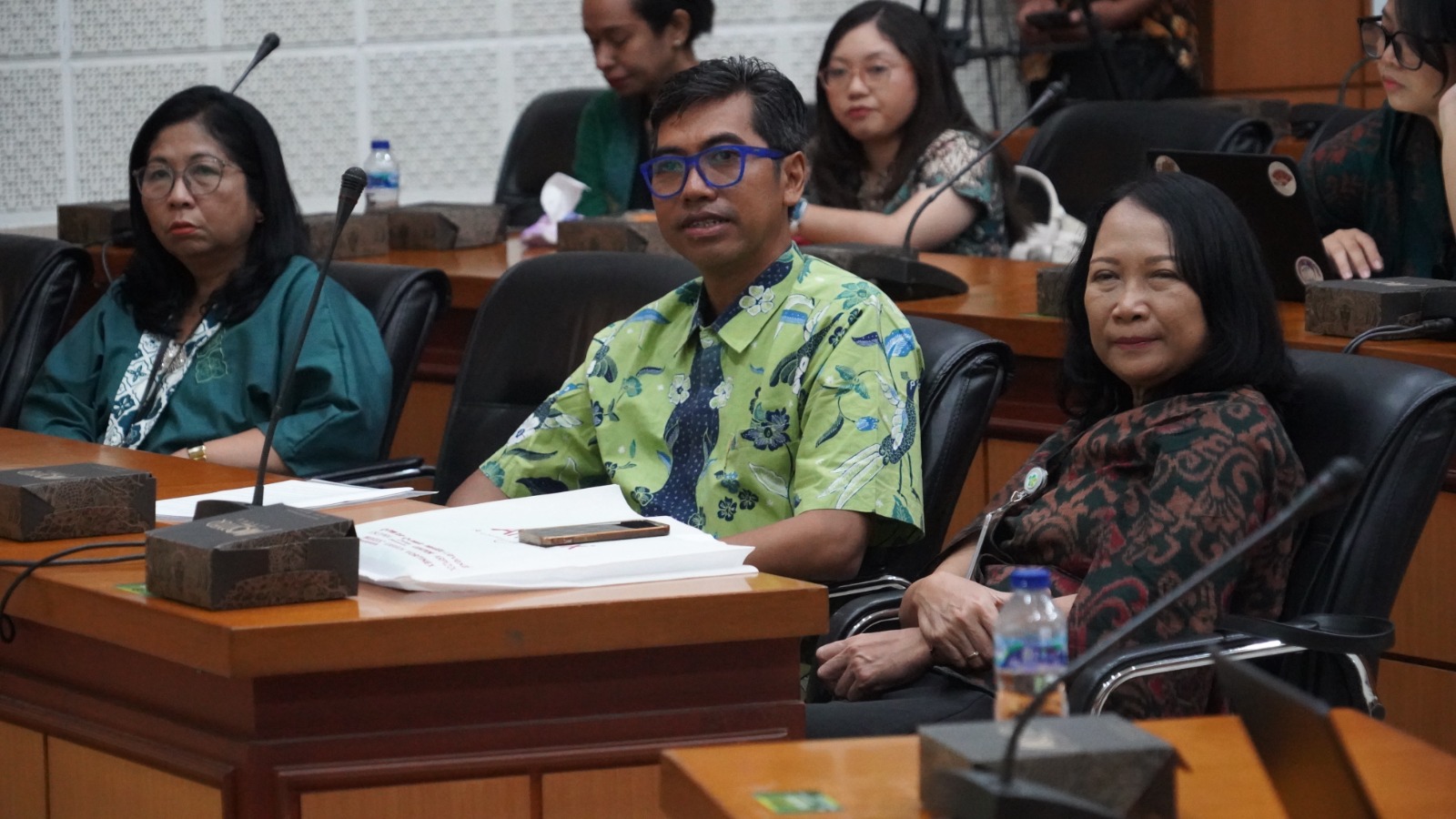
Held at the Prof. dr. I Goesti Ngoerah Gde Ngoerah Room in the FK UNUD Sudirman Building, Denpasar, the event brought together faculty leadership, department and study program representatives, the quality assurance team, the Indonesian Psychiatry College, lecturers, trainees, and other relevant stakeholders to discuss comprehensive curriculum development.
The workshop committee chair, dr. I Gusti Agung Ayu Widyarini, Sp.KJ, emphasized the importance of the workshop as a forum to align educational needs with advancements in the field and quality standards.
"Through this workshop, we hope to establish a curriculum structure that is responsive to contemporary mental health issues and accreditation standards, while fostering greater synergy among supervisors, trainees (resident doctors), and teaching hospitals to create a conducive learning ecosystem," stated dr. I Gusti Agung Ayu Widyarini.
The event was opened by the Vice Dean for Academic Affairs and Planning at the Faculty of Medicine, Udayana University, Prof. dr. I Made Ady Wirawan, S.Ked, MPH, Ph.D., who underscored the importance of strengthening the curriculum and educational quality to support the achievement of competencies for graduating psychiatric specialists. The event began with an outline of the academic policy direction of the Faculty of Medicine, Udayana University (FK UNUD), presented by the Head of the Faculty's Quality Assurance and Curriculum Development Unit (UP3M), Dr. dr. I Wayan Juli Sumadi, Sp.P.A., Subsp. M.S. The presentation covered the faculty's academic policy direction, strategic priorities, quality targets, and the implications of the Strategic Plan (RENSTRA) for the development of the study program's curriculum.
Subsequently, Dr. I Gusti Ayu Indah Ardani, Sp.K.J., Subsp. A.R.(K), Head of the Department of Psychiatry at FK UNUD, presented the vision, mission, and Strategic Plan (RENSTRA) of the Psychiatry Specialist Study Program. The discussion encompassed updates to the study program's strategic plan, the focus of academic development, and an analysis of the alignment between the study program's strategic direction and mental health service needs.
**Discussing the Curriculum from the Perspectives of the Study Program and Professional Standards**
Moving to the main agenda, Prof. Dr. Cokorda Bagus Jaya Lesmana, dr., Sp.K.J., Subsp.K.(K), MARS, Coordinator of the Psychiatry Specialist Study Program at FK UNUD, presented the program's current curriculum structure. The presentation covered achieved learning outcomes as well as an identification of strengths and areas requiring improvement in the delivery of education.
The discussion then proceeded to the perspective of professional education standards through a presentation by the Indonesian College of Psychiatry. Dr. Fransiska Kaligis, dr., Sp.K.J., Subsp.A.R.(K), Chair of the Indonesian College of Psychiatry, together with Dr. dr. Petrin Redayani Lukman, Sp.K.J., Subsp.P.K.(K), M.Pd.Ked., presented material regarding the Professional Education Standards for Psychiatry Specialists. The presence of the College (of Specialists) provides a professional standards perspective that serves as a crucial foundation for reviewing and developing the study program's curriculum.
Following the presentations, the event proceeded to a discussion session, allowing participants to offer input and examine the alignment between the faculty's strategic direction, the study program, the current curriculum, and professional education standards.
Curriculum Development and Competency Strengthening Strategies
After the break, the workshop continued with a session on curriculum development strategies, presented by dr. I Gusti Ayu Harry Sundariyati, S.Ked., MHPE, from the UP3M curriculum team. The presentation covered the foundations of curriculum development, the formulation of Graduate Learning Outcomes (CPL) and Course Learning Outcomes (CPMK), curriculum mapping, and the integration of educational needs, clinical competencies, and professional standards.
This discussion was vital in ensuring that the curriculum not only meets established structures and standards but also clearly illustrates the connections between learning outcomes, the educational process, required clinical competencies, and mental health service needs.
Strengthening the 2026 Curriculum
A key agenda item of the workshop was the discussion of the proposed 2026 curriculum. Its development took into account education standards for psychiatry specialists, the latest regulations, evaluations of the previous curriculum, tracer study results, and feedback from employers of graduates.
The discussion also generated input regarding the strengthening of bedside teaching, exposure to current clinical cases, and psycho-learning pharmacology, therapeutic communication, and learner professionalism.
The proposed curriculum spans seven semesters, totaling 118 credits (SKS), and is divided into several educational stages. It integrates evidence-based case reports (EBCR), scientific manuscript preparation, local and national educational networks, and an assessment system covering academic, professional, and affective aspects.
The duration of the training program was a key topic of discussion during the workshop. Participants noted a discrepancy between the standard educational requirements—which stipulate a minimum of eight semesters and 114 credits—and the proposed FK UNUD curriculum, which is designed to last seven semesters with 118 credits. This difference requires further review before the curriculum is finalized.
Prof. Dr. Cokorda Bagus Jaya Lesmana, dr., Sp.K.J., Subsp.K.(K), MARS, proposed potential innovations to make the training process more efficient while still adhering to applicable standards.
"We want to produce psychiatrists more quickly; other study programs have managed to achieve such breakthroughs. Is this feasible for psychiatry?" said Prof. Dr. Cokorda Bagus Jaya Lesmana.
This statement was part of a broader discussion on developing a more adaptive training model, while also highlighting the need to evaluate the educational workload, competency achievements, and alignment with regulations governing specialist medical training.
Strengthening the Characteristics of the FK UNUD Psychiatry Training Program
The workshop also addressed the strategic direction of the Psychiatry Specialist Study Program, ensuring alignment with the FK UNUD Strategic Plan. A key characteristic being further developed is Cultural Psychiatry, which leverages Bali's rich local culture to enhance psychiatric education and scholarship.
In addition to educational aspects, the development of research activities was also a focus of attention. The study program aims to strengthen scientific publications, including international publications and research collaborations with both domestic and foreign institutions.
Curriculum discussions also focused on applying the principle of "constructive alignment"—ensuring coherence among learning outcomes, learning materials and experiences, teaching methods, and student assessment systems.
Follow-up: Appointing a Person in Charge (PIC) and Curriculum Review
At the end of the workshop, Prof. Cokorda emphasized the importance of clear follow-up actions regarding the input gathered during the event.
"Regarding the follow-up plan, we need a Person in Charge (PIC) to act on the feedback so that the curriculum can be updated," added Prof. Dr. Cokorda Bagus Jaya Lesmana.
Thus, the workshop outcomes will not end with mere discussion; they will be carried forward by appointing a Person in Charge (PIC) to oversee the curriculum refinement and updating process.
Support was also expressed by the teaching hospital. Dr. Suardani, representing the Director of Prof. Ngoerah General Hospital (RSUP), stated that the hospital supports the follow-up on the workshop results, particularly in facilitating the development of specialist medical education.
Meanwhile, further discussion is required regarding the seven-semester education plan proposed by the specialty college. This plan requires further review to ensure its implementation aligns with educational needs and applicable regulations.
Commitment to Continuous Quality Improvement
The workshop results serve as a foundation for the Psychiatry Specialist Study Program at the Faculty of Medicine, Udayana University (FK UNUD), to continue refining the curriculum. This includes curriculum mapping, learning matrices, scientific activities, educational rotations, teaching hospital networks, assessment systems, curriculum handbooks, guidelines, Semester Learning Plans (RPS), and student logbooks.
Through collaboration among the study program, the faculty, the Indonesian Psychiatry College, the department, lecturers, students, the quality assurance team, and the teaching hospital, it is hoped that curriculum development will continue in a sustainable manner. This workshop also reaffirms the commitment of the Psychiatry Specialist Study Program at the Faculty of Medicine, Udayana University (FK UNUD), to developing specialist medical education that is adaptive to scientific advancements and mental health service needs, competency-oriented, and dedicated to the continuous improvement of educational quality.
Gallery
UDAYANA UNIVERSITY