 ENG
ENG
 INA
INA
Scientific Seminar: Genomes, Cells, and Communities: An Omics Approach to Human Diversity and Health
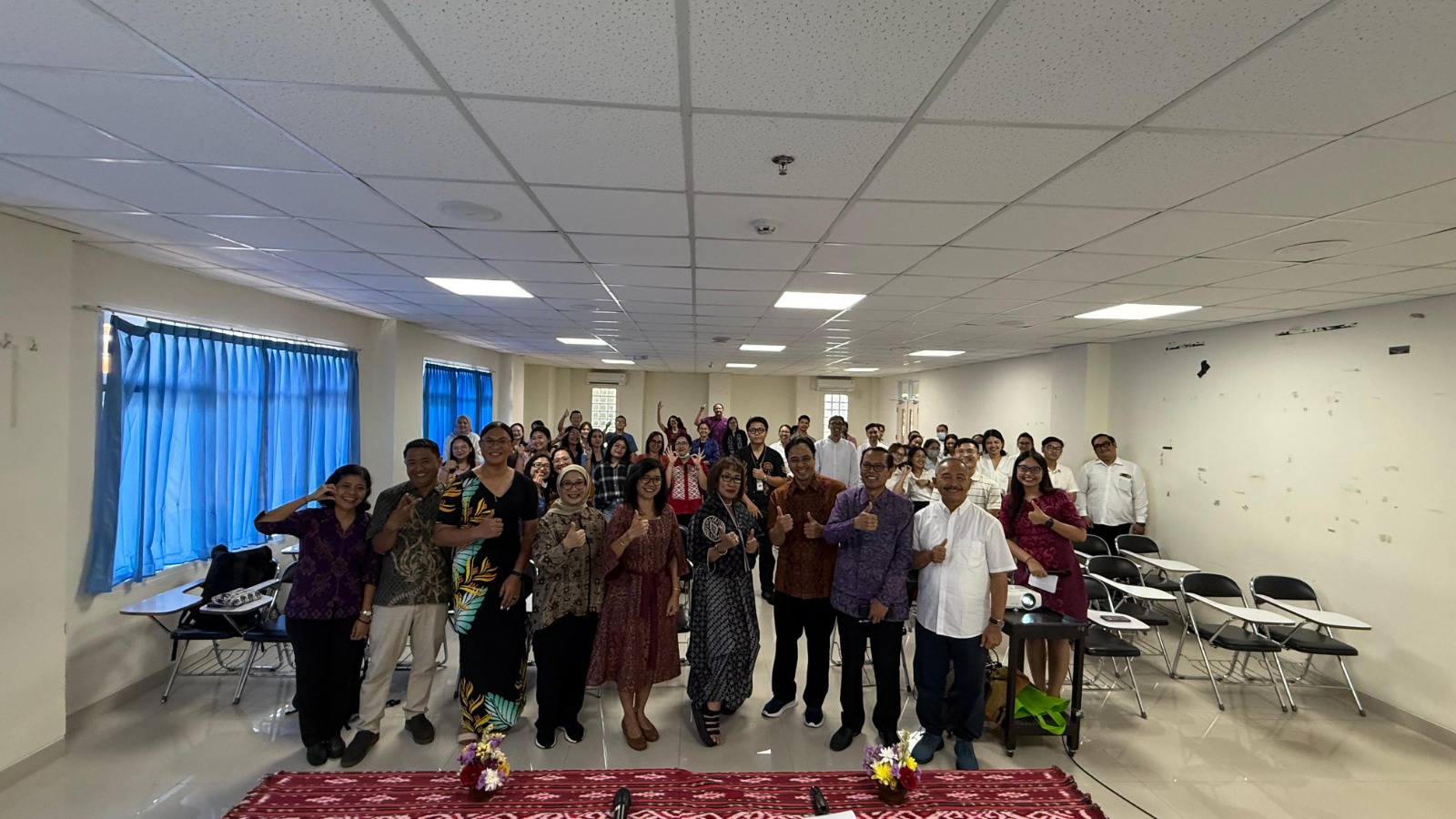
Scientific Seminar: Genomes, Cells, and Communities: An Omics Approach to Human Diversity and Health
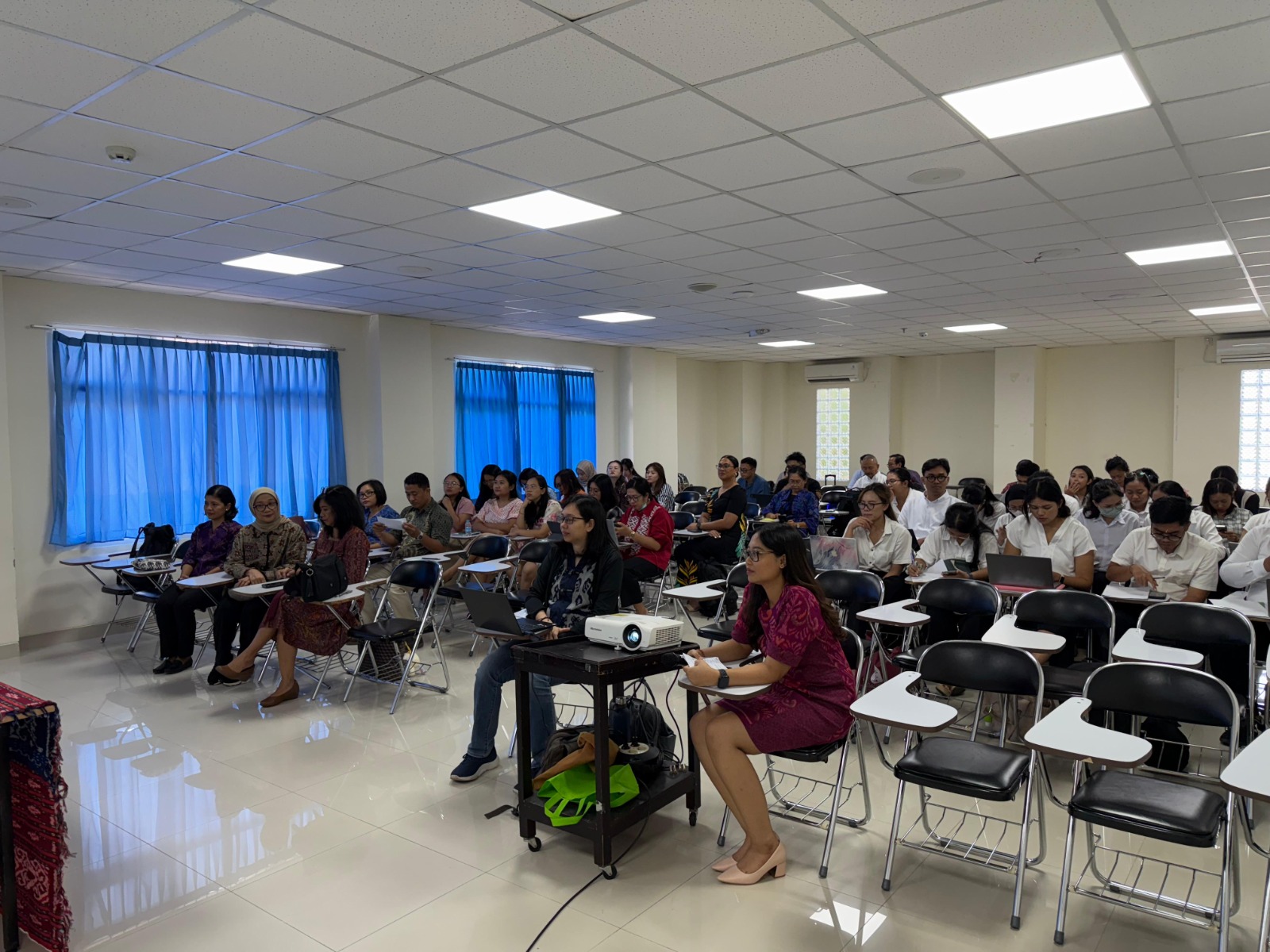
The Department of Biochemistry, Faculty of Medicine, Udayana University, in collaboration with the Mochtar Riady Institute for Nanotechnology, Pelita Harapan University, held a scientific seminar, with the main venue being the Cok Rai Room, Faculty of Medicine, Cakra Vidhya Usadha Building, Udayana University, Denpasar. The theme was "Genomes, Cells, and Communities: An Omics Approach to Human Diversity and Health." (October 25, 2025)
The advancement of science demands continuous knowledge renewal, both through research and the dissemination of research results to the academic community. Through collaboration, universities and research institutions have produced various findings that not only enrich science but also open up opportunities for developing applications that benefit society. Universities, as centers of higher education, together with research institutions, play a crucial role in strengthening the research ecosystem through complementary collaborations, sharing expertise, and expanding networks. As part of the ongoing collaboration between Udayana University and the Mochtar Riady Institute for Nanotechnology (MRIN) – Pelita Harapan University (UPH), outlined in the 2022 Memorandum of Understanding concerning the Implementation of the Tri Dharma of Higher Education, both institutions are committed to continuously promoting scientific development and strengthening academic collaboration.
This collaboration, particularly in joint research in health, genomics, and cell biology, as well as through community engagement, has made significant contributions to deepening understanding of genetic diversity and public health in Indonesia. These results underscore the importance of synergy between basic science and its application in a social context. Therefore, holding a seminar is a strategic platform for updating knowledge, presenting joint research results, and strengthening academic collaboration between universities and research institutions.
This seminar presented experts in the fields of human and population genomics, cell and molecular biology, public health, and epidemiology. The target audience included lecturers and researchers from Udayana University and MRIN-UPH, undergraduate and graduate students, practitioners, and stakeholders in the health and biotechnology sectors, as well as invitees from partner institutions.
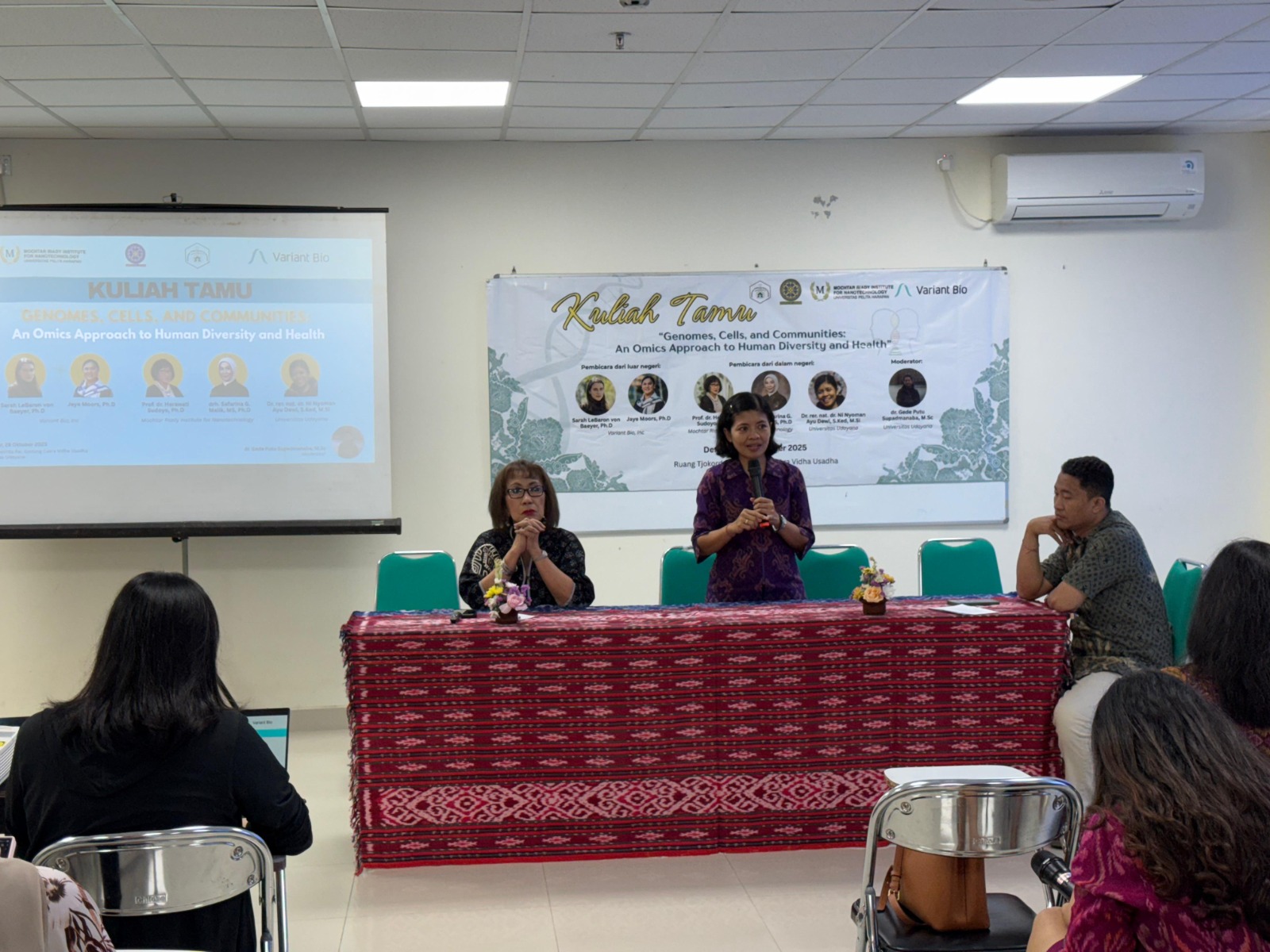
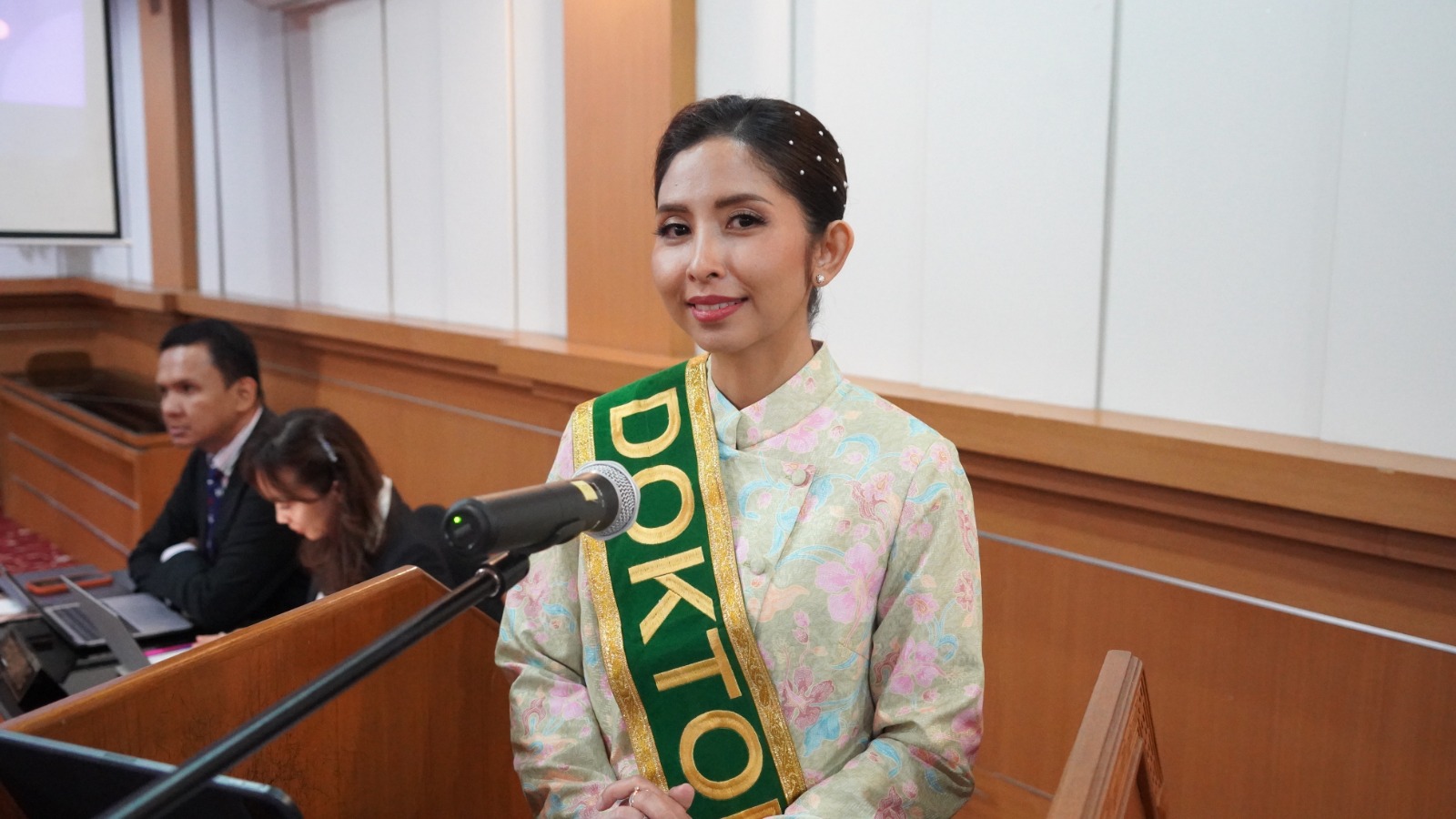
The event began with remarks from the Vice Dean for General Affairs and Finance of the Faculty of Medicine, Udayana University, Dr. dr. I Made Muliarta, M.Kes. In his remarks, he emphasized the importance of cross-institutional synergy in strengthening education and research, providing a scientific forum to discuss genomic approaches to understanding human diversity and health, emphasizing the importance of community involvement in research implementation, and strengthening research collaboration between Udayana University and MRIN-UPH.
The event featured four speakers:
1. Dr. rer. nat. dr. Ni Nyoman Ayu Dewi, M.Si. with the topic "Translating Genomes into Health: Applications of NGS in Precision Medicine and Reproductive Genomics"
2. Prof. Dr. Herawati Sudoyo, MS, Ph.D., with the topic "The Story in Our Genes: Unraveling Indonesia's Genomic Diversity"
3. Dr. Safarina G. Malik, MS, Ph.D., with the topic "Ancestral and environmental diversity shape the adaptive immune landscape and microbiome of Indonesia"
4. Sarah LeBaron von Baeyer, Ph.D. Jaye Moors, Ph.D., with the topic "Variant Bio: Towards a Community-Engaged Approach to Global Genomic Research"
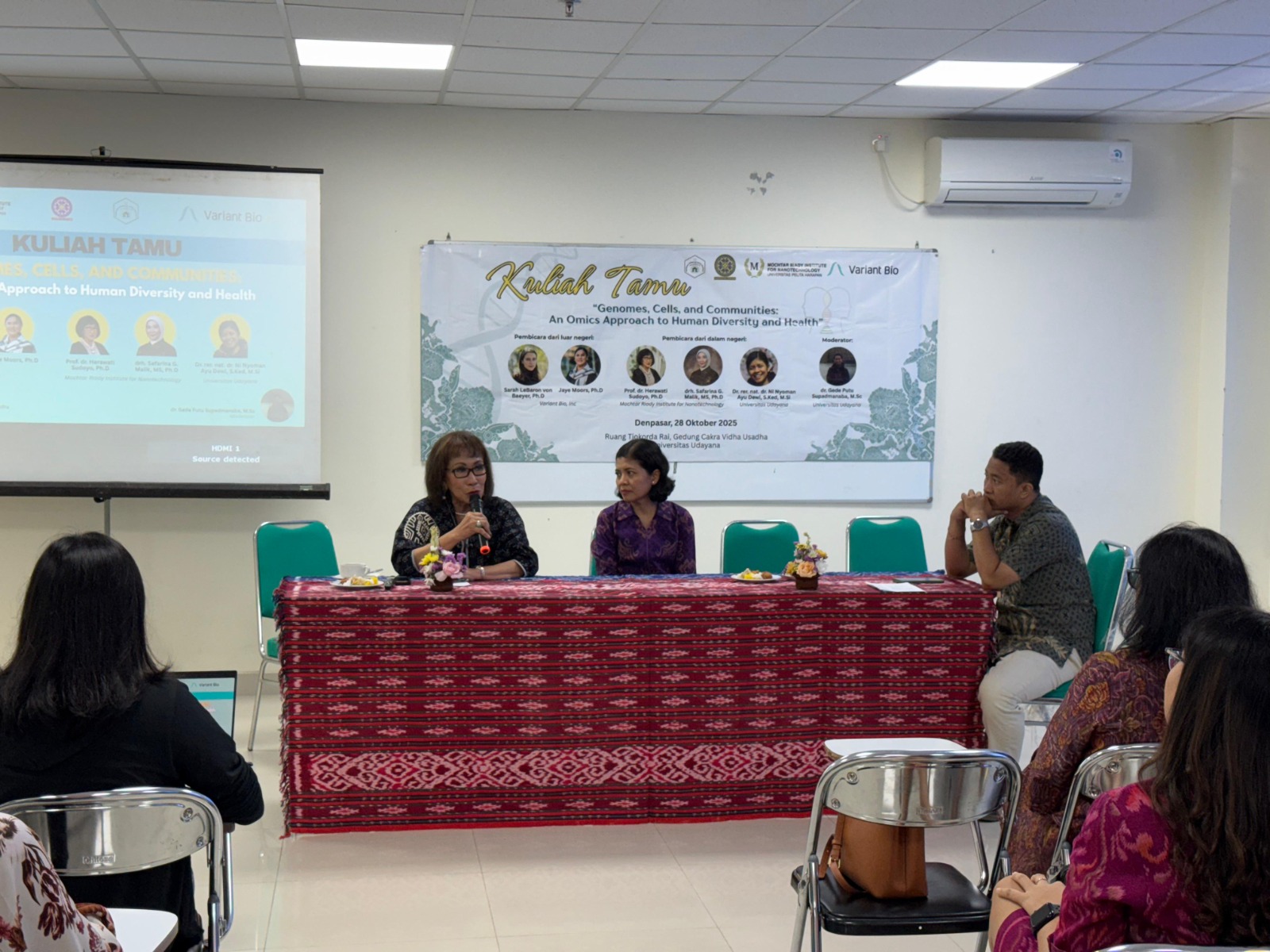
The four speakers were moderated by Dr. Gede Putu Supadmanaba, M.Sc.
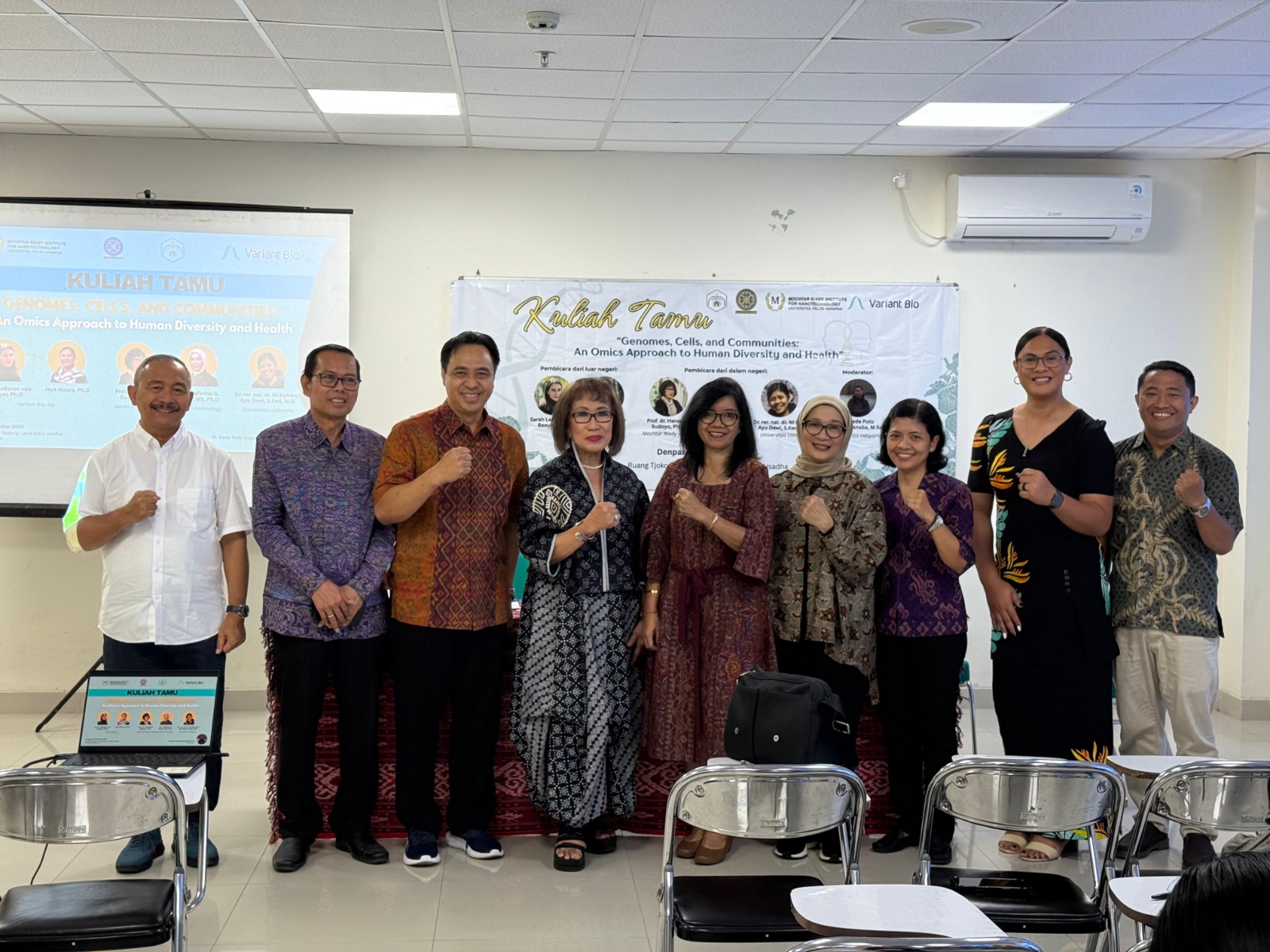
The event was also attended by the Coordinator of the Doctoral Study Program in Biomedical Sciences, Faculty of Medicine, Udayana University, Prof. Dr. dr. I Made Jawi, M.Kes.; the Head of the Department of Biochemistry, Faculty of Medicine, Udayana University, Prof. Dr. dr. Desak Made Wihandani, M.Kes.; and Prof. Dr. dr. Ketut Suastika, Sp.PD-KEMD, FINASIM.
Gallery
UDAYANA UNIVERSITY