 ENG
ENG
 INA
INA
SMAN 1 Abang Students Gain Mental Health Literacy: From Recognizing Anxiety to Understanding Adolescent Addiction
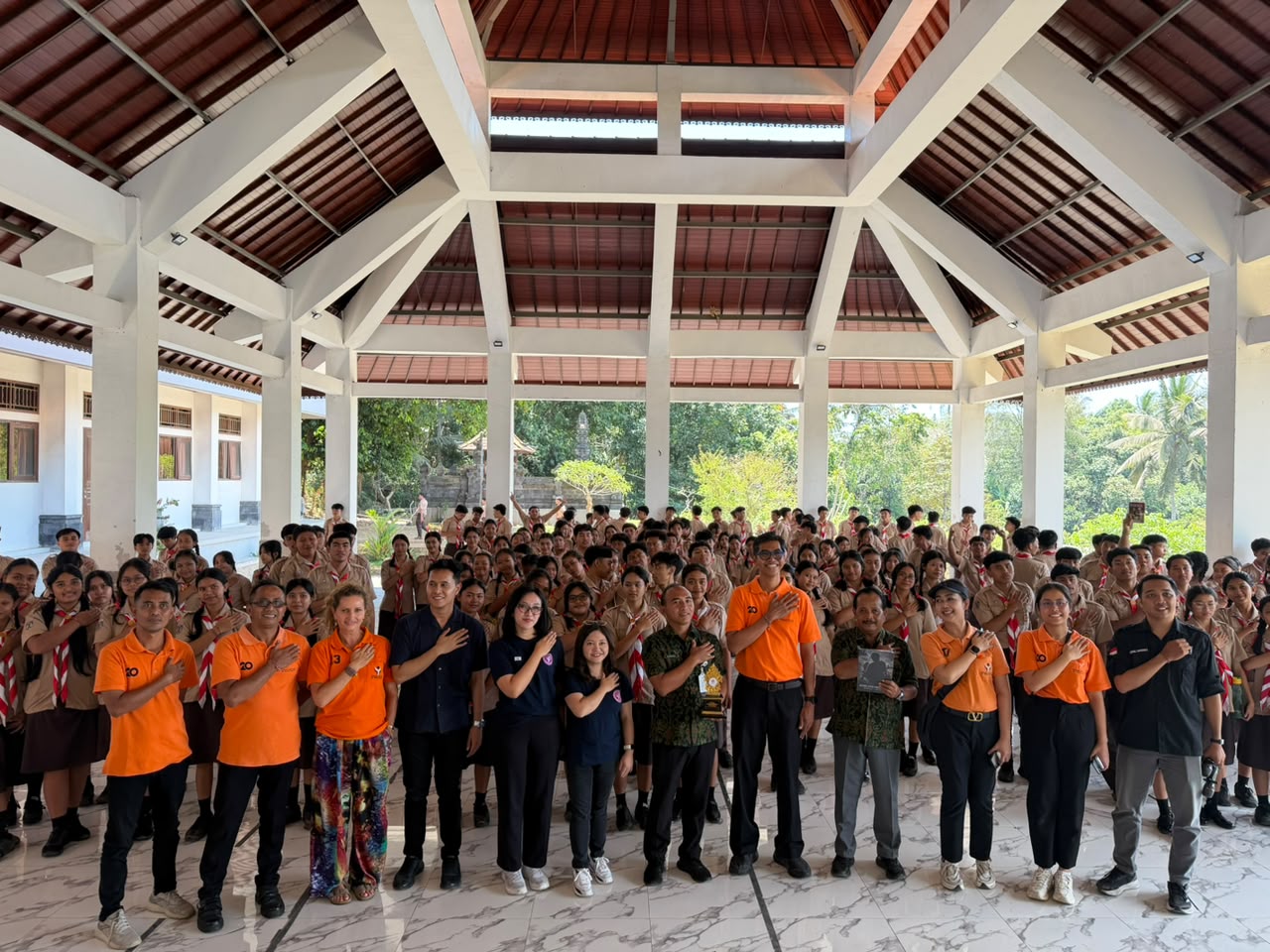
SMAN 1 Abang Students Gain Mental Health Literacy: From Recognizing Anxiety to Understanding Adolescent Addiction
A total of 206 Grade XII students from SMAN 1 Abang, Karangasem, participated in an educational session and screening focused on adolescent mental health. Addressing issues relevant to the lives of young people, the students were guided to understand mental health, recognize the risks of addiction, and identify when normal anxiety requires professional attention. The event took place at SMAN 1 Abang, Karangasem, Bali, on Friday (September 18, 2026).
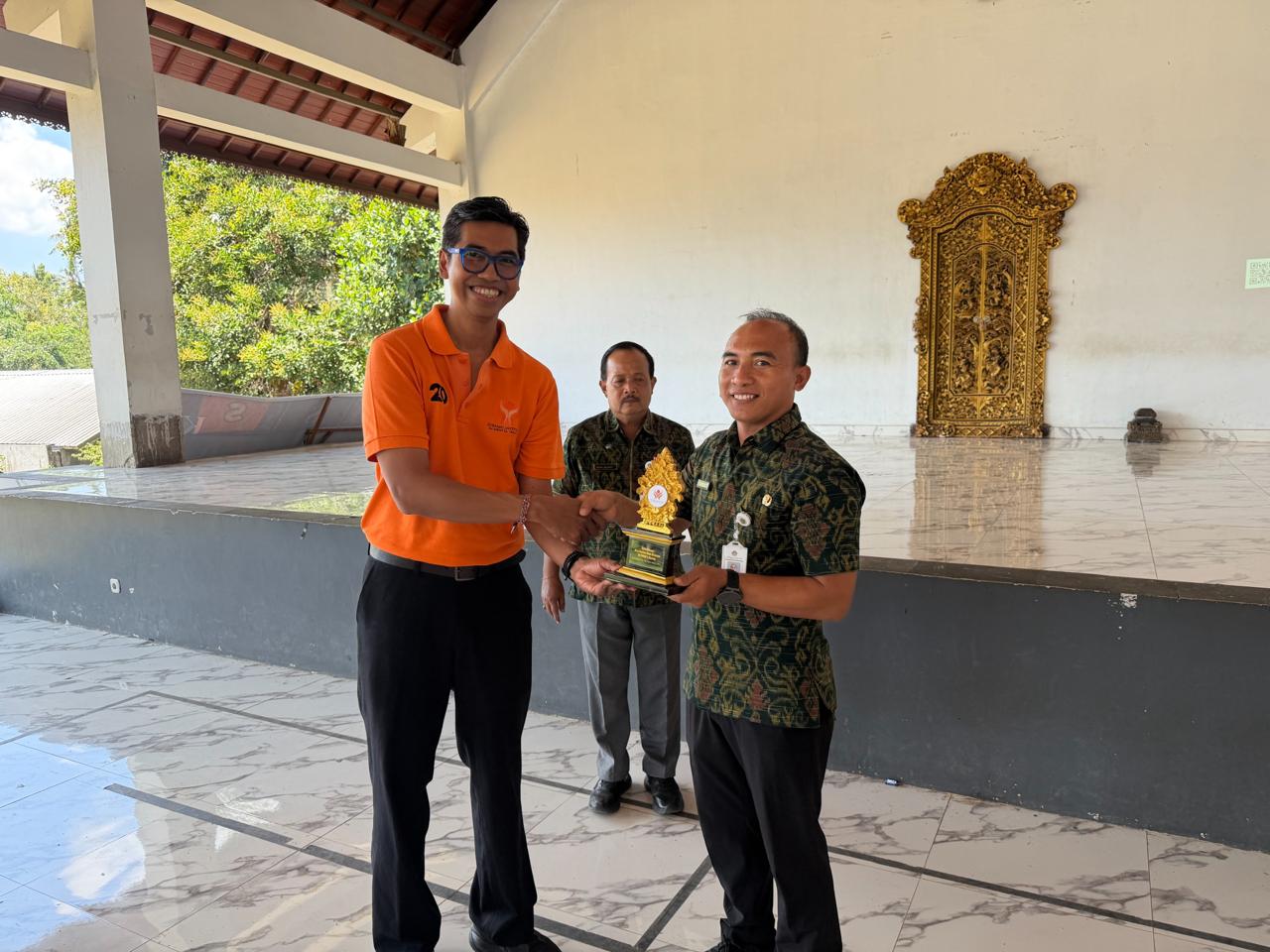
This activity was a collaborative effort between the Psychiatry Specialist Study Program at the Faculty of Medicine, Udayana University, the Suryani Institute, and the University of Sydney, aimed at improving mental health literacy and encouraging the early detection of mental health issues among adolescents. Students from classes XII.1 through XII.6 participated, and the event was hosted by the Principal of SMAN 1 Abang, I Putu Suweta, S.Pd., M.Pd. Also in attendance was Prof. Dr. dr. Cokorda Bagus Jaya Lesmana, Sp.KJ(K), MARS—Coordinator of the Psychiatry Specialist Study Program at the Faculty of Medicine, Udayana University—along with his team.
SMAN 1 Abang Principal I Putu Suweta welcomed the initiative. He noted that education is not solely about academic achievement but also about how schools help students grow into physically and mentally healthy individuals.
"Our children face increasingly complex challenges. Beyond academic demands and preparing for the future, they live in close proximity to social media and various social pressures. Therefore, we welcome this activity so that students can better understand themselves, have the courage to speak up when facing problems, and know where to seek help," said I Putu Suweta.
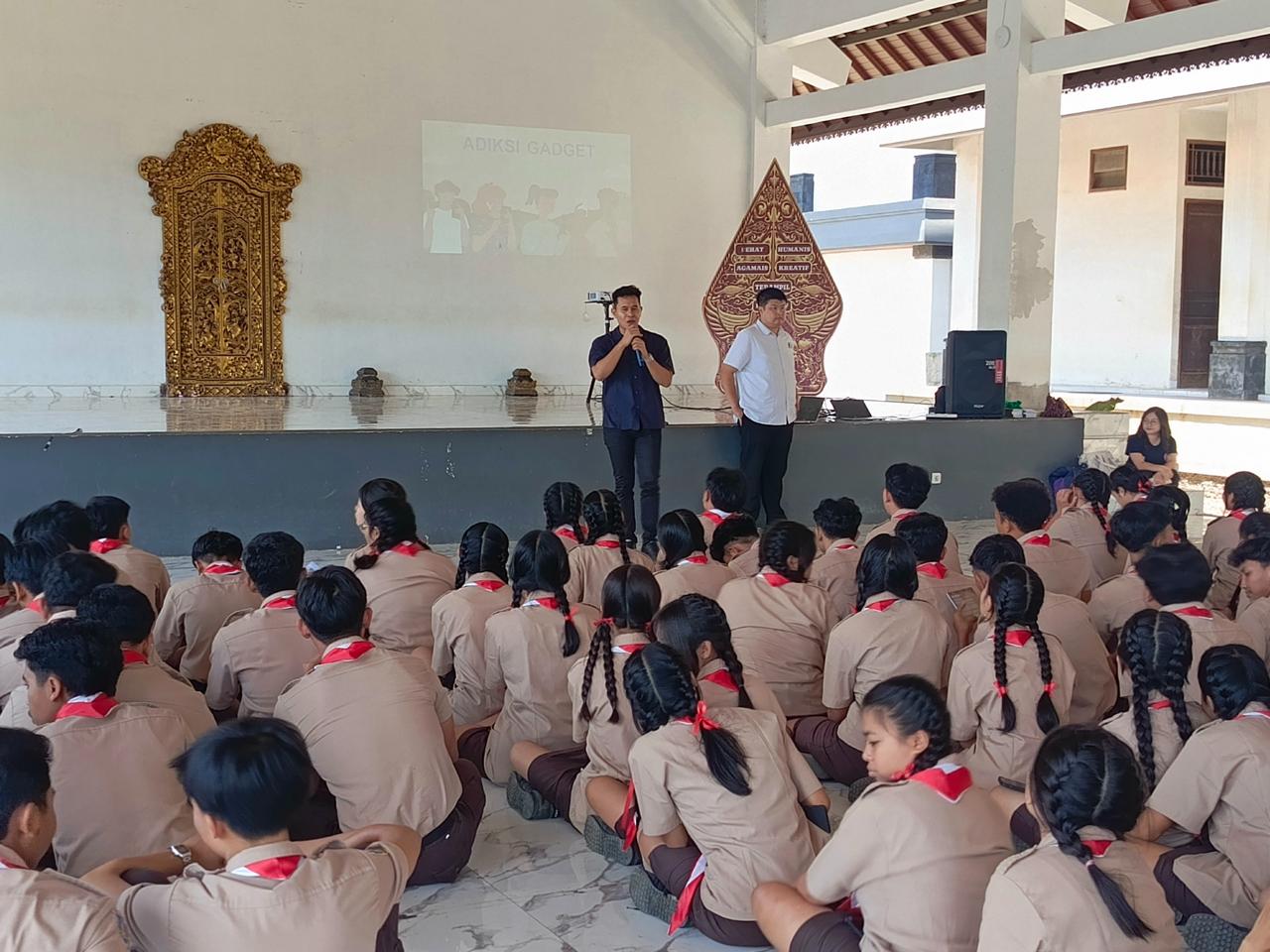
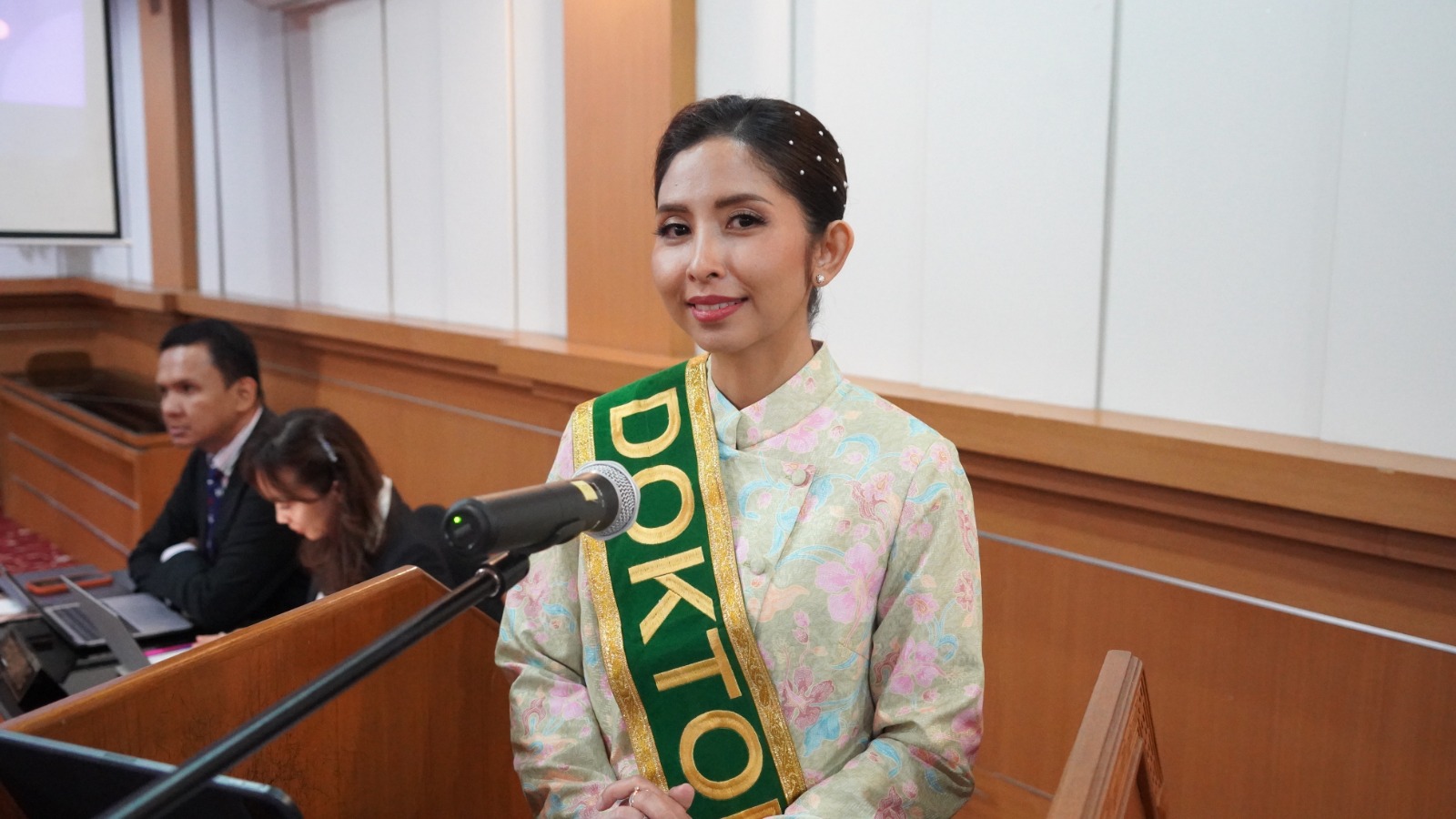
The first educational session was delivered by Dr. Felisiana, covering the topic "Mental Health in Adolescents." Students were encouraged to understand that health means more than just being free from physical illness; it also encompasses mental well-being and the ability to interact socially. Adolescence is a crucial period marked by biological changes, identity and emotional development, and the growing influence of peers and the surrounding environment.
Academic pressure, family and peer relationships, the use of social media and devices, and adverse experiences are among the factors that can affect adolescent mental health. The session also introduced various issues that need to be recognized, including anxiety, bullying, self-harm, substance abuse, device addiction, depression, and suicidal ideation. "If anxiety, changes in sleep patterns, loss of interest, or difficulty concentrating persist and interfere with daily activities, do not be afraid to open up and seek help," explained Dr. Felisiana.
She also reminded students not to attempt self-diagnosis. When a friend appears deeply sad, worried, or distressed, the first step is to approach them and listen without judgment. This message aligns with the educational material, which emphasizes that mental health issues and disorders can be treated.
Students were encouraged to examine their daily habits more critically and to understand that addiction is not merely about the frequency of an activity, but also about one's ability to control their behavior and the impact that behavior has on their life. The use of devices and social media was also addressed within the mental health material; excessive use was noted to potentially have negative effects on the mindset and mental health of children and adolescents.
"We need to start asking ourselves: am I still in control of this habit, or is this habit starting to control me?" "When an activity becomes hard to stop, interferes with sleep, studies, or relationships with family and friends, and even leads to the neglect of daily responsibilities, it is a sign that we need to be more vigilant," said Dr. Jourdy.
According to him, it is important to provide education on addiction without stigmatizing adolescents. A judgmental approach can actually make someone more reluctant to open up about the problems they are facing.
The third session was led by Cokorda Dewinta on the theme of "Anxiety in Adolescents." This topic resonated deeply with 12th-grade students, who are currently navigating the challenges of exams, graduation, choosing further education, and facing various uncertainties about the future. Cokorda Dewinta explained that anxiety is essentially a response from the body and mind when a person perceives a threat or something worrying. Feeling anxious before an exam, for instance, can motivate someone to study and prepare. Thus, anxiety is not the same as an anxiety disorder.
"Anxiety is not a sign of weakness. Anxiety is the body's alarm system. That alarm actually helps us prepare for what lies ahead. But if the alarm is too loud, goes off too often, or is too..." "...persists for a long time, is difficult to control, and begins to interfere with school, sleep, family, friendships, or concentration—that is a warning sign we need to examine," stated Cokorda Dewinta.
This message served as the central theme of the material on anxiety presented to the students. The material noted that anxiety requires attention when it becomes too intense, occurs too frequently, lasts too long, is hard to control, and begins to disrupt daily life. The students were not merely taught theory; they were introduced to simple steps for managing anxiety—ranging from breathing exercises, physical activity, and writing down their actual worries, to cultivating healthier social media habits.
Prof. Dr. dr. Cokorda Bagus Jaya Lesmana, Sp.KJ(K), MARS, emphasized that improving mental health literacy within the school environment is crucial, given that adolescents spend a significant portion of their daily lives with peers and teachers. In his view, schools are not just places for acquiring academic knowledge but can also serve as safe spaces for adolescents to grow and find support when facing challenges.
"Adolescents do not live in isolation; they are surrounded by family, friends, teachers, and the school environment. When this entire environment possesses good mental health literacy, changes in an adolescent can be recognized early, and help can be provided before problems escalate," said Prof. Cokorda.
He also encouraged students to foster a culture of non-judgmental friendship.
"Sometimes, the first person to hear about an adolescent's problem isn't a parent or a doctor, but a friend. Therefore, be a friend who is willing to listen. We don't have to have all the answers." "The important thing is not to judge and to know when to encourage a friend to seek help from an adult or a professional," he added.
This message aligns with the program's focus on fostering a school environment free from bullying, discrimination, and violence, while also providing mental health education and ensuring teachers are attuned to changes in their students. Enthusiasm was evident when the discussion and Q&A session began; many students actively asked the speakers about issues they encounter in their daily lives.
Students who actively participated in the discussion received a book as a token of appreciation for their courage in asking questions and sharing their views. One student noted that the discussion on anxiety felt particularly relevant, as 12th-grade students are beginning to face various demands and decisions regarding their futures.
"As 12th graders, we naturally feel anxious thinking about exams, graduation, and what comes next. Through this activity, I learned that anxiety can actually be normal. However, we also learned to recognize when anxiety becomes disruptive and that there is no need to be ashamed to ask for help," said one participant.
Another student felt the discussion on addiction helped them understand that device usage shouldn't be judged solely by the amount of time spent on the device.
"I’ve become more aware that it’s not just about how many hours we spend on our phones, but whether we can still control our usage and whether it’s interfering with our studies or other activities. The material really hits close to home regarding our daily lives," the student said.
Following the educational session, the students were invited to undergo a digital mental health screening using *Harmoni Jiwa*. *Harmoni Jiwa* serves as a simple, confidential initial assessment tool designed to boost self-awareness and help identify students who may require further support. The platform is the result of the KONEKSI project, a collaboration between Udayana University and the University of Sydney.
Prof. Cokorda emphasized that screening results should not be interpreted as a formal diagnosis.
"Screening is not about labeling students. It serves as a starting point for individuals to better understand their own mental well-being. Only if something requiring further attention is identified can we then direct individuals to appropriate professional support and services," he explained.
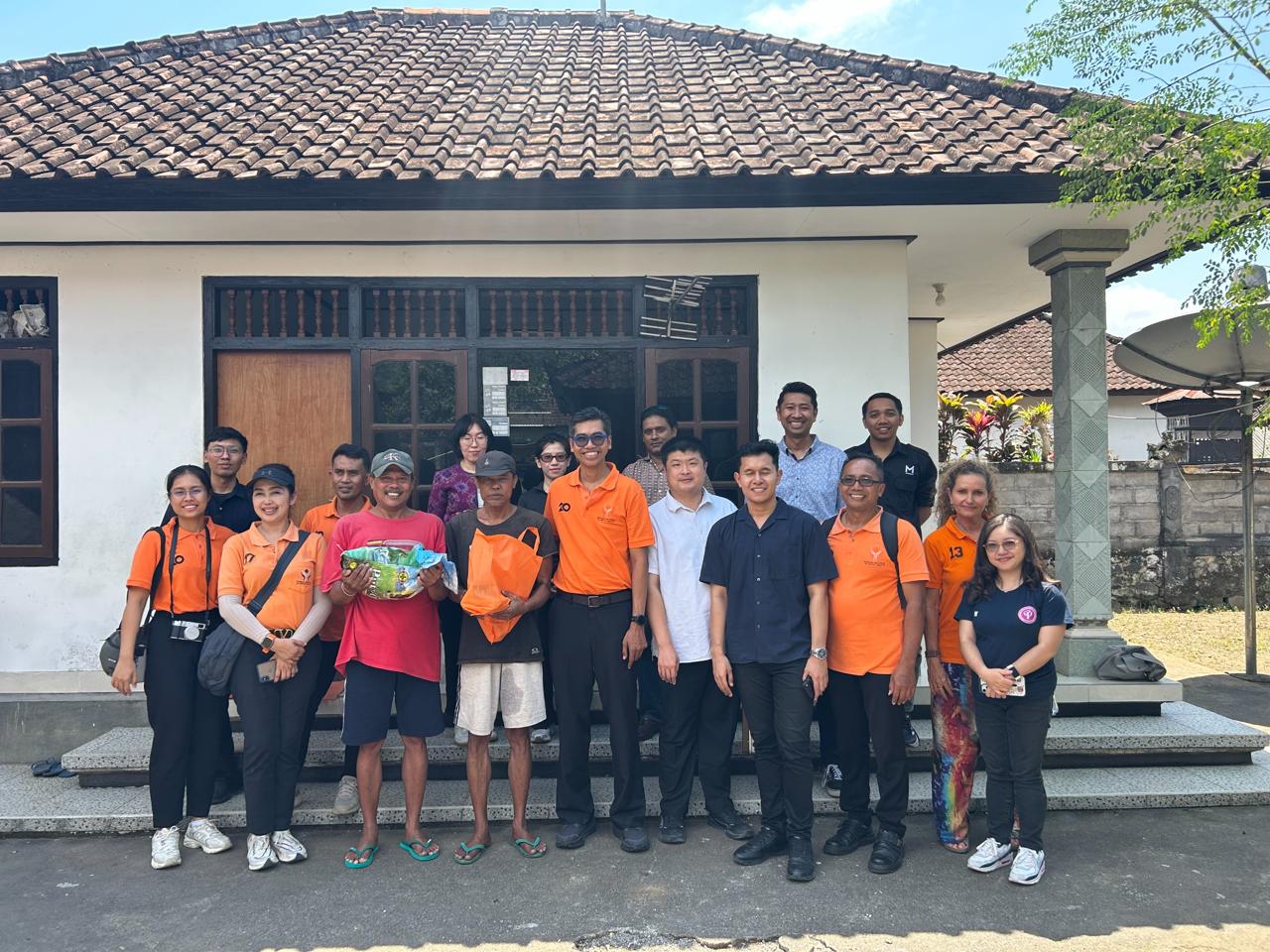
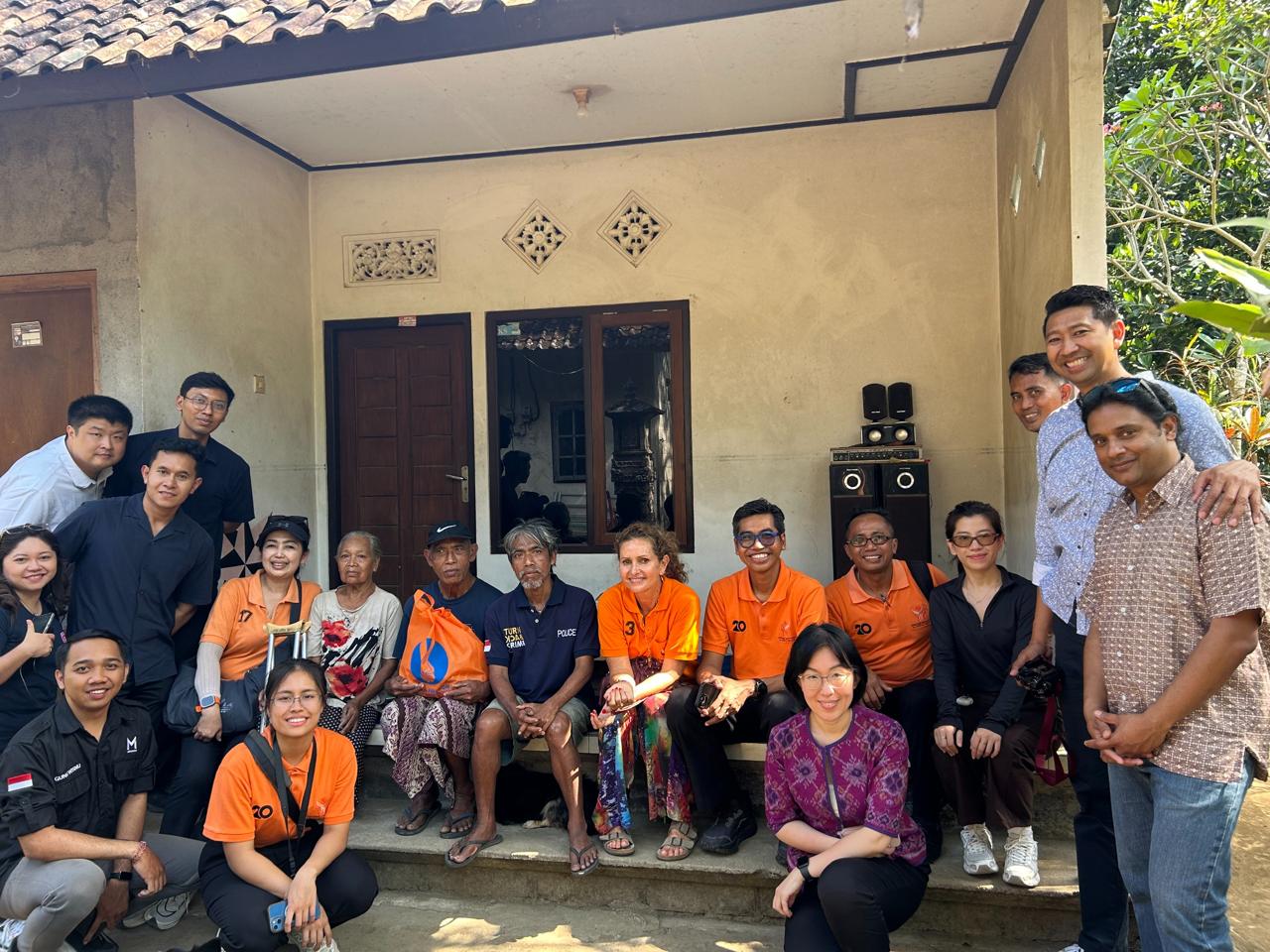
Following the activity at SMAN 1 Abang, the team continued their agenda by conducting home visits to residents in the Abang area, in collaboration with the local Community Health Center (Puskesmas). This activity expanded the approach from school-based mental health education to community-based services. The approach integrates schools, families, primary healthcare services, universities, and the community into an interconnected chain: providing education, identifying issues early, conducting screenings, and connecting individuals in need with the appropriate help.
This collaboration involves the Psychiatry Specialist Program at the Udayana University Faculty of Medicine, the Suryani Institute, and the University of Sydney.
Gallery
UDAYANA UNIVERSITY