 ENG
ENG
 INA
INA
The Doctoral Program in Biomedical Sciences, Faculty of Medicine, Udayana University, Holds a Curriculum and Academic Guidelines Workshop to Improve Graduate Quality
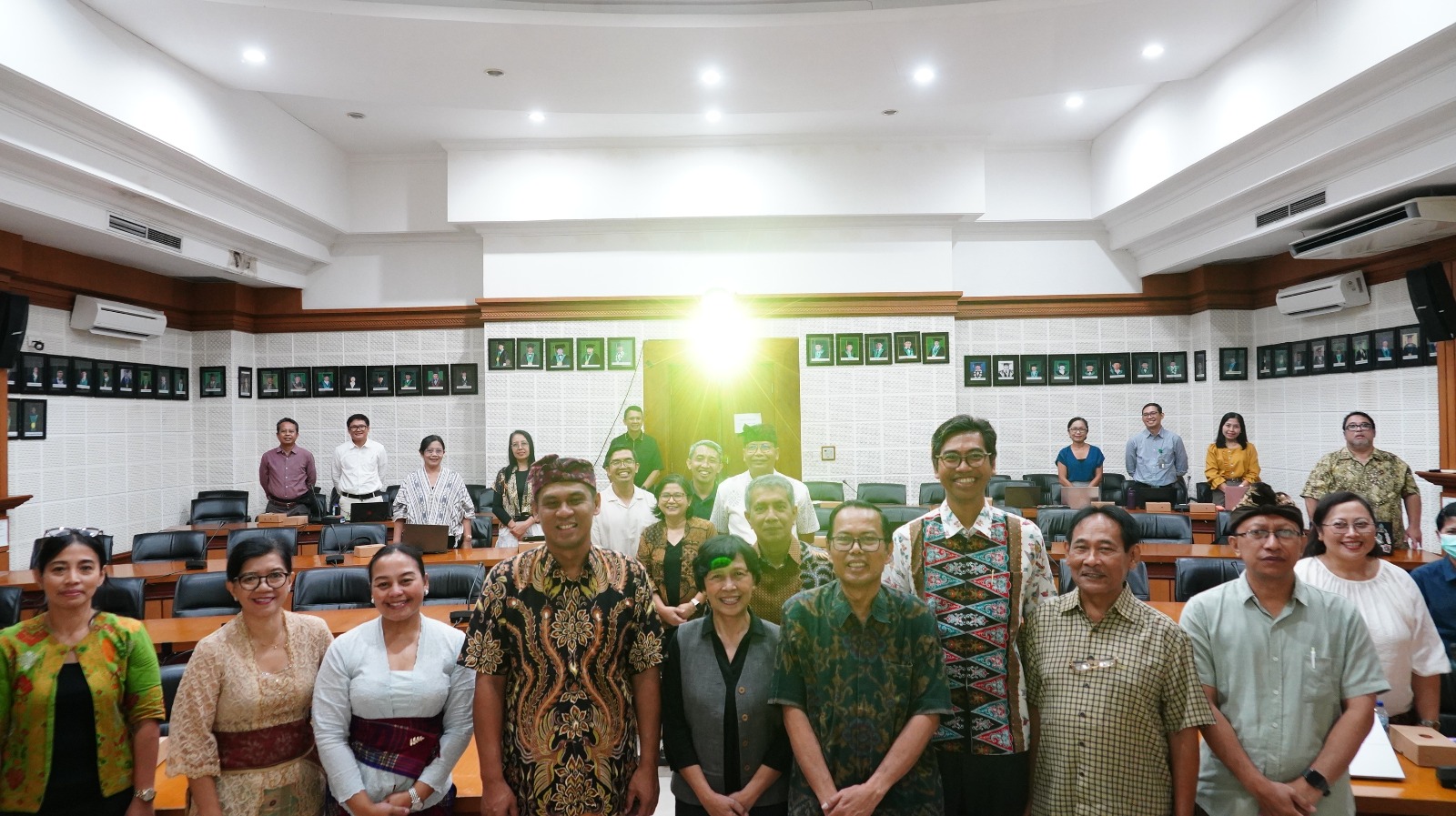
The Doctoral Program in Biomedical Sciences, Faculty of Medicine, Udayana University, Holds a Curriculum and Academic Guidelines Workshop to Improve Graduate Quality
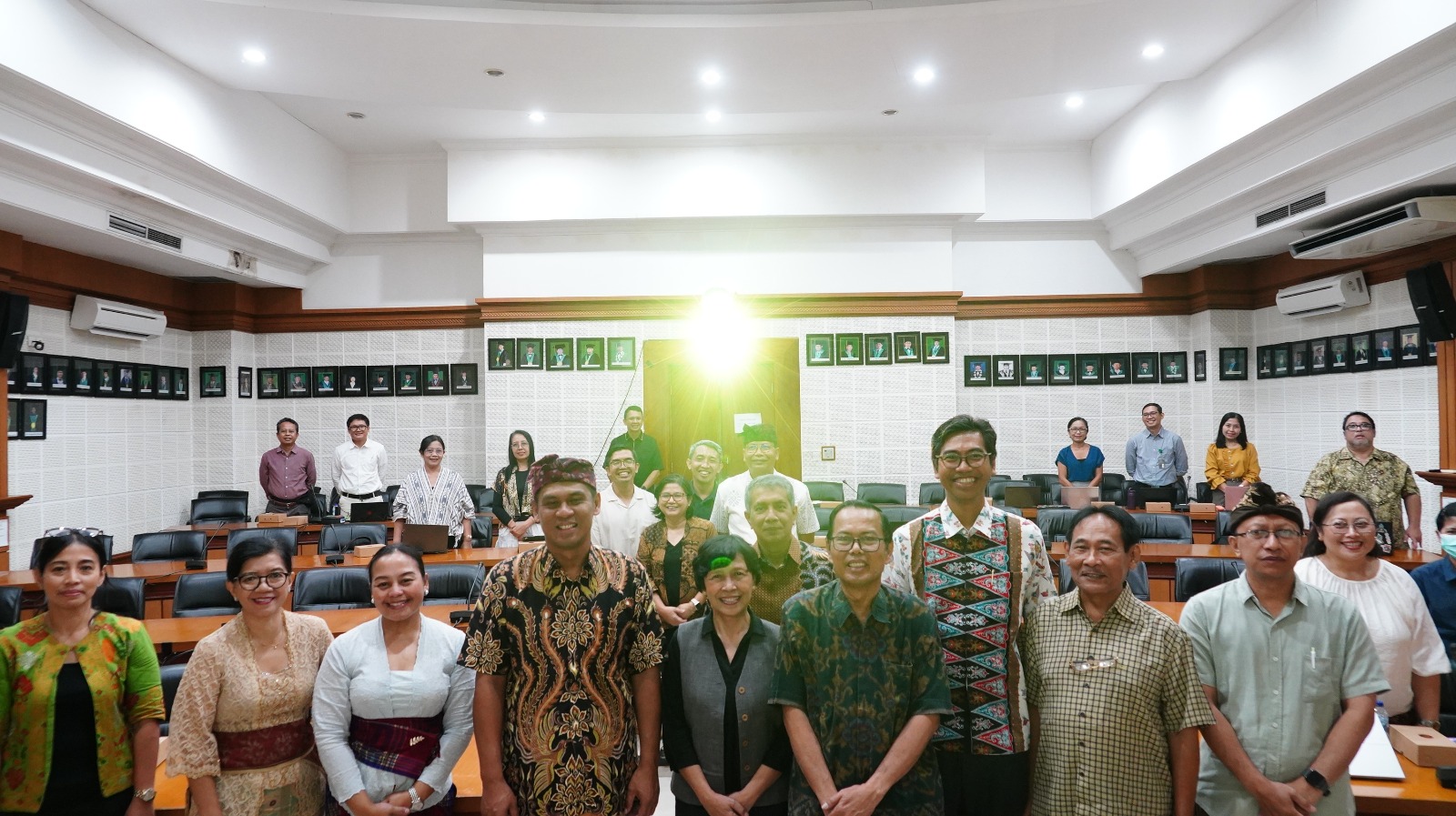
The Doctoral Program in Biomedical Sciences, Faculty of Medicine, Udayana University, held a Curriculum and Academic Guidelines Workshop in the Prof. Dr. I Goesti Ngoerah Gde Ngoerah Room, fourth floor, Faculty of Medicine Building, Udayana University, on Thursday, March 12, 2026.
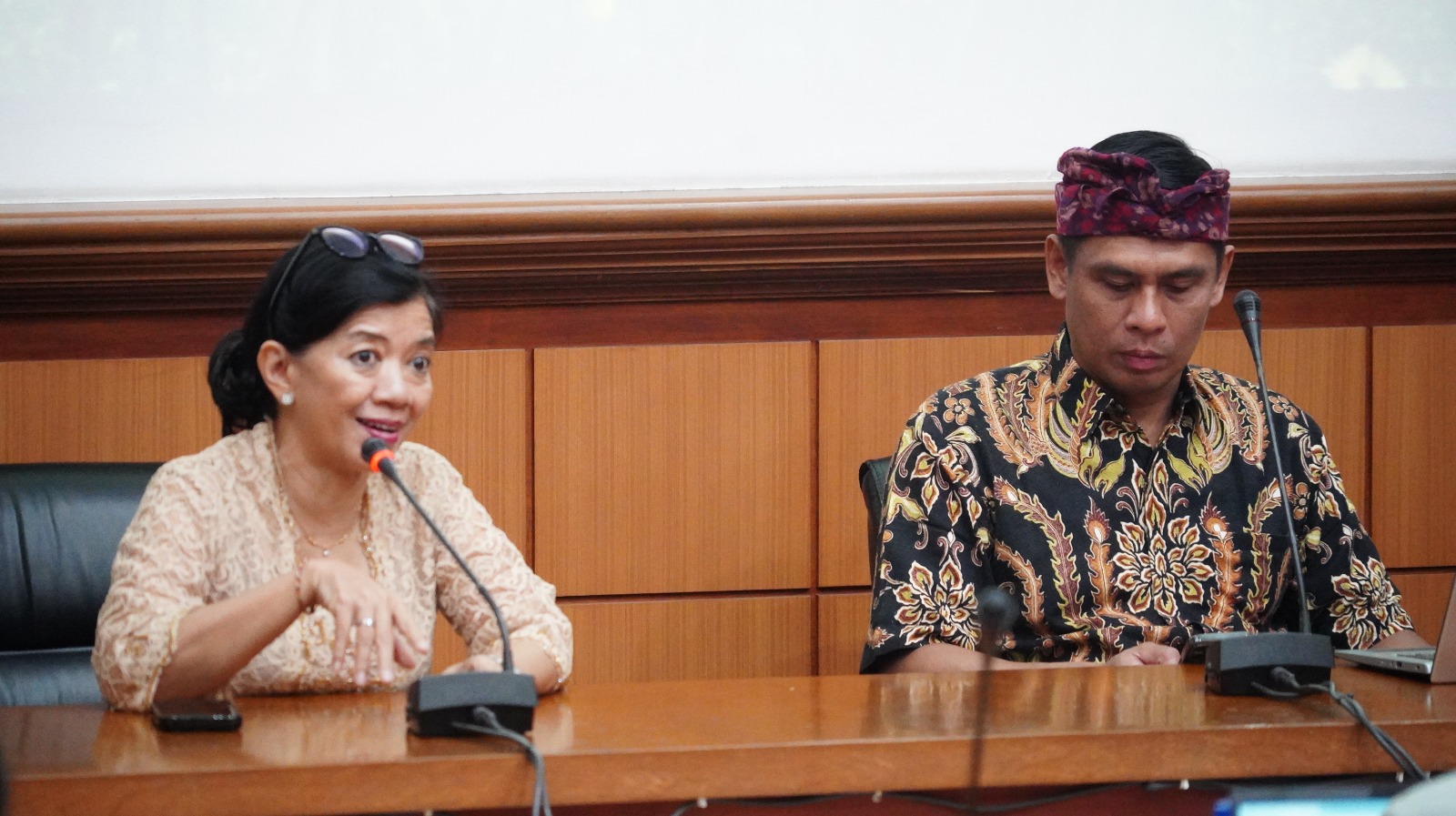
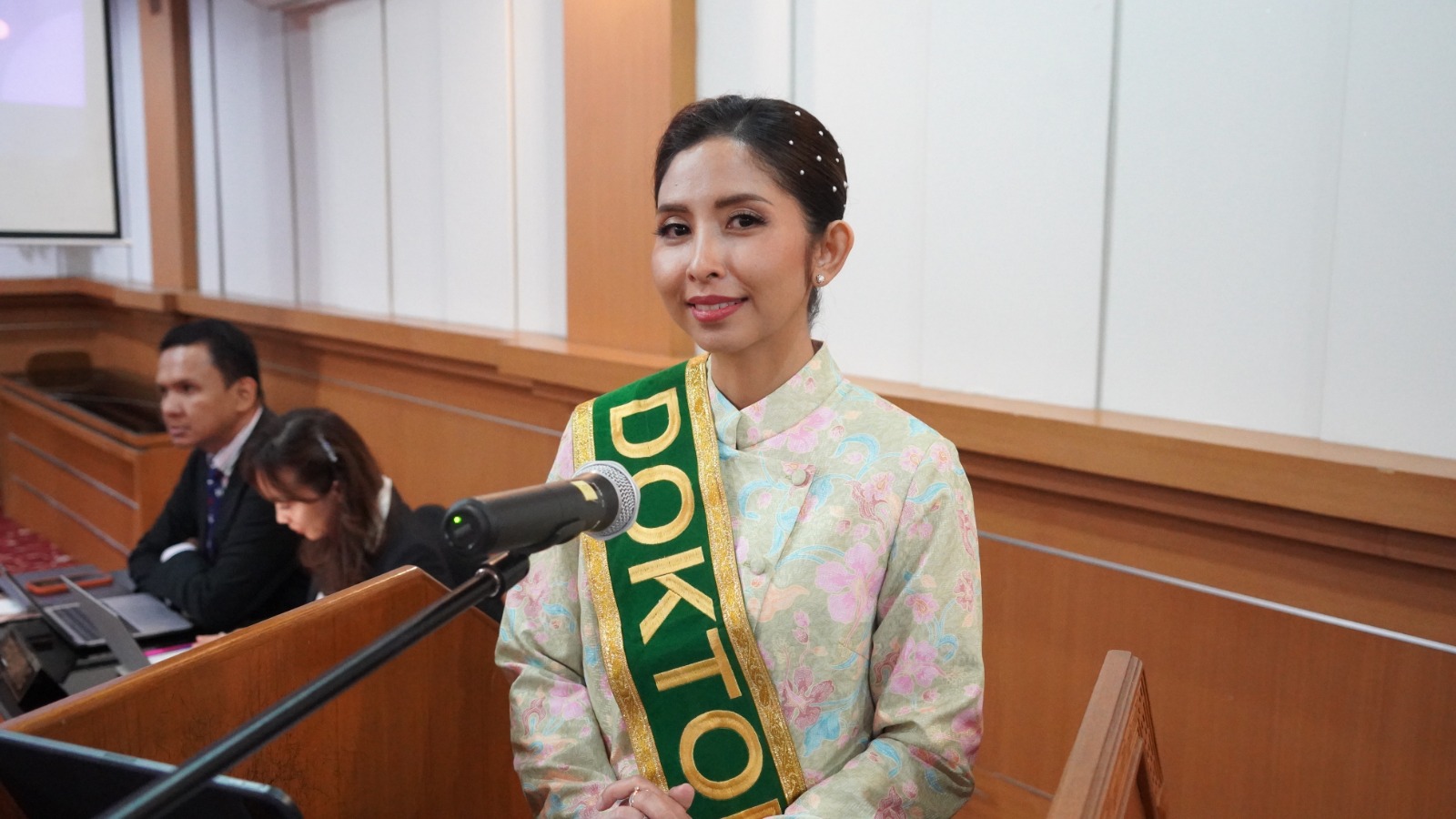
The event began with remarks from the Coordinator of the Doctoral Program in Biomedical Sciences, Faculty of Medicine, Prof. Dr. dr. Desak Made Wihandani, M.Kes., who stated that this workshop invited graduates and students to receive input on the development of the curriculum and academic guidelines to guide the learning process. Going forward, the Doctoral Program in Biomedical Sciences will maintain a database of lecturers based on their fields of expertise and research focus, aiming to guide students in selecting supervisors appropriate to their dissertation topics.
The Dean of the Faculty of Medicine, Udayana University, Prof. Dr. dr. I Gede Eka Wiratnaya, Sp.OT., Subsp.Onk.Ort.R(K), then delivered remarks and officially opened the event. In his remarks, he outlined strategies for taking credits to help students be more strategic in developing their study plans.
"It's best to take and complete a large credit load early in the study period, rather than accumulating a large load in the middle or end of the study period. This will prevent students from being hampered by the administration of a single open exam, which can lead to cost overruns," Prof. Eka emphasized.
"Our big target is to achieve faster and more timely graduation, specifically within 2.5 years. To achieve this, the role of the Research Group and Academic Advisors (PA) is vital. Research groups must actively map students' research directions early on, so that the selection of advisors is more effective and aligned with their areas of expertise. Furthermore, we face the challenge of improving Key Performance Indicators (KPI) through scientific publications in Top-Tier journals. I encourage my colleagues to aim for Scopus Q1 journals with a percentile above 90%. The government and universities have prepared substantial incentives for publication at this level," added Prof. Eka.
"Hopefully, in the future, open examinations will not only be an academic formality but also become a platform for downstream research. Let's invite third parties or industry partners to participate in these examinations. This way, student research will not only end up in the library but will also receive funding and have a real impact on the wider community. Let's work together, support each other, and continue to innovate for the advancement of this institution we love," urged Prof. Eka.
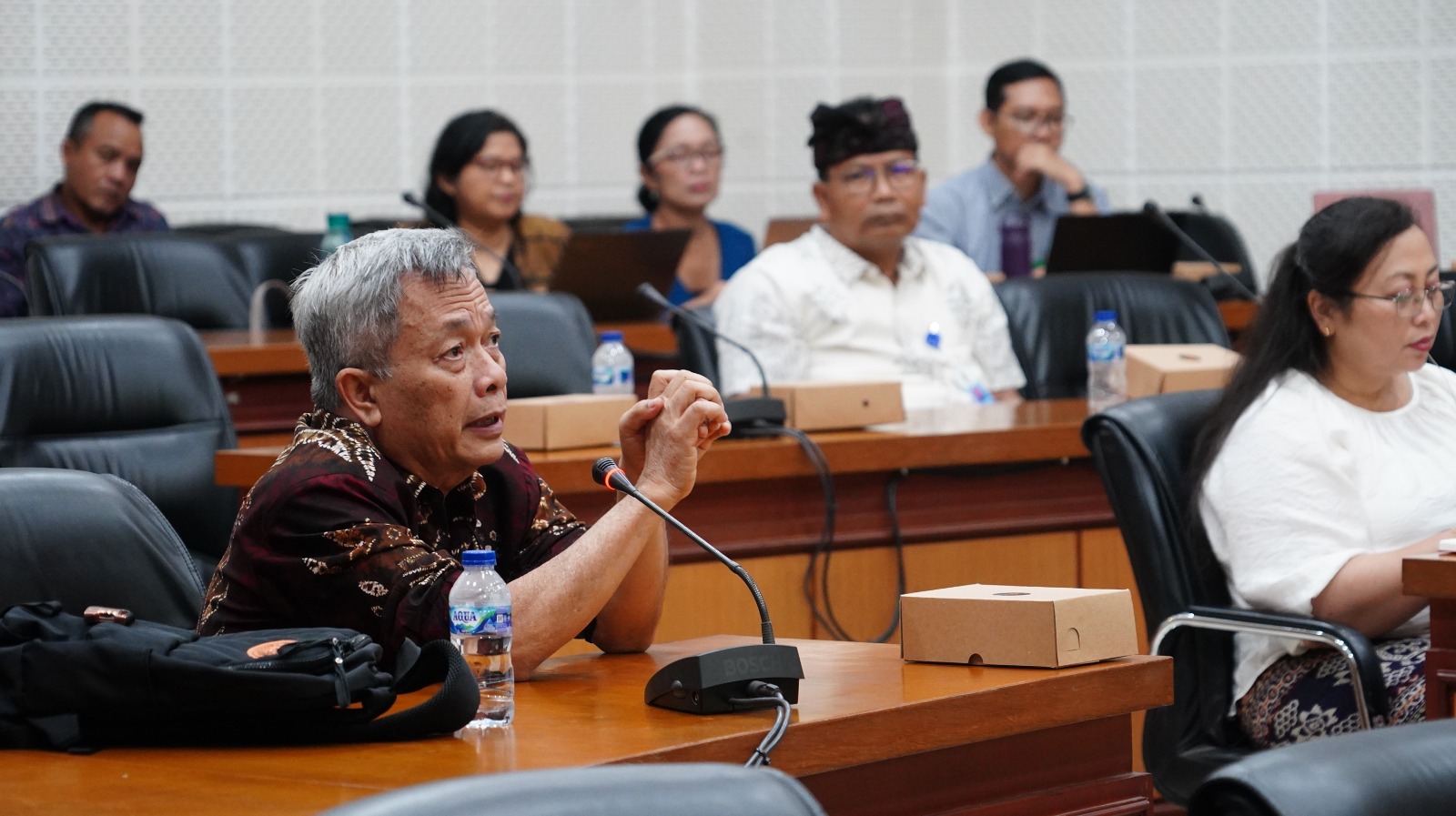
Following the opening ceremony, the event continued with a presentation on the grade conversion mechanism in the Biomedical Science Doctoral Program by Research and the draft curriculum changes for the Biomedical Science Doctoral Program in general by Dr. I Wayan Sumardika, S.Ked., M.Med.Ed., Ph.D., followed by a presentation on the Academic Guidelines for the Biomedical Science Doctoral Program by Prof. Dr. dr. Desak Made Wihandani, M.Kes., following the presentation, a discussion with graduates, students, and lecturers in the Biomedical Science Doctoral Program followed.
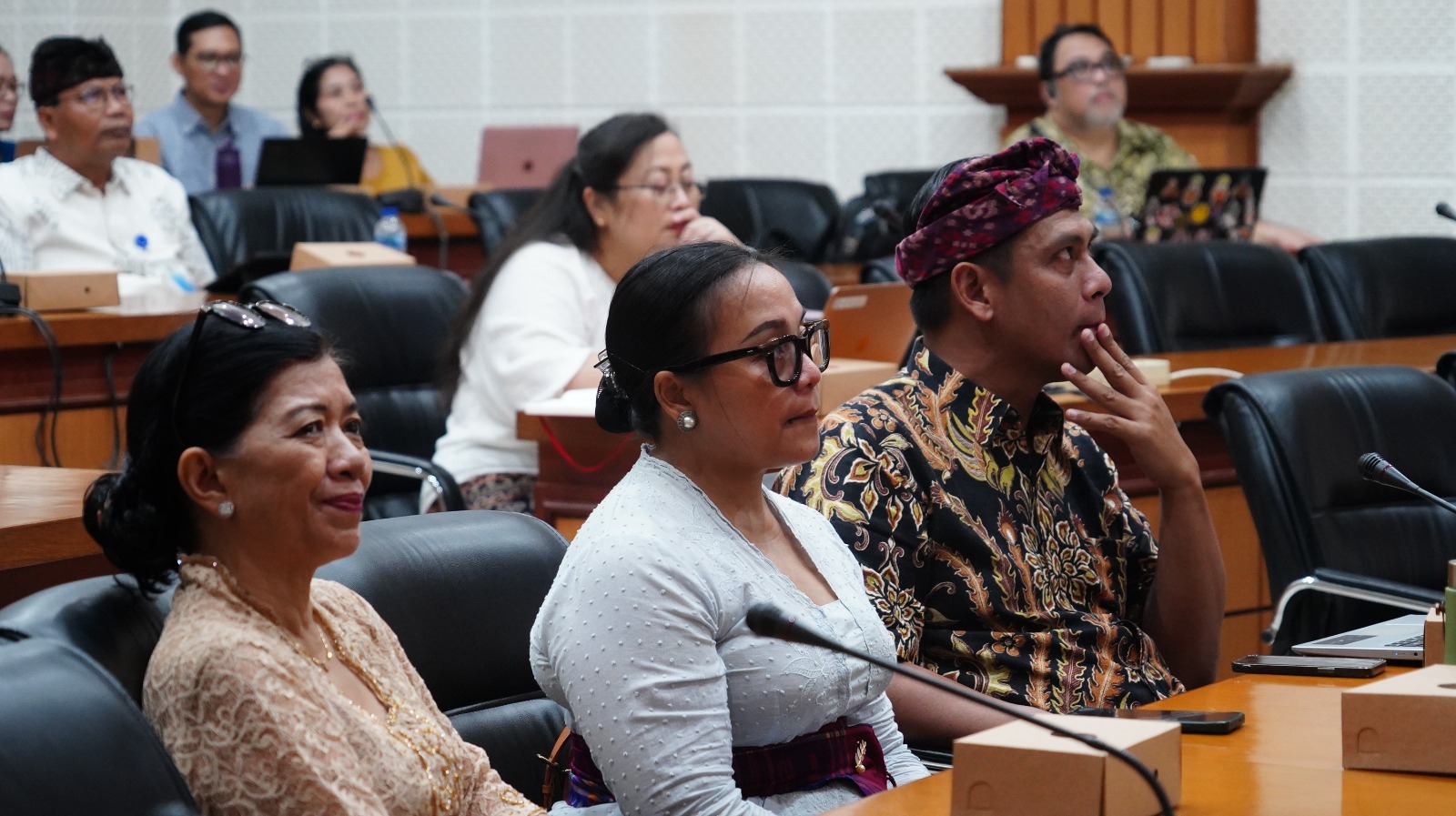
The workshop was also attended by representatives from the Bali Provincial Health Office, representatives from the Director of Prof. Dr. I.G.N.G. Ngoerah General Hospital, representatives from the Director of Udayana University Hospital, and students and lecturers from the Biomedical Science Doctoral Program at the Faculty of Medicine, Udayana University.
Gallery
UDAYANA UNIVERSITY