 ENG
ENG
 INA
INA
Amidst the Wounds of Cyclone Senyar, Udayana University's Faculty of Medicine Provides Care to Residents of Tukka, Tapteng Regency, North Sumatra.
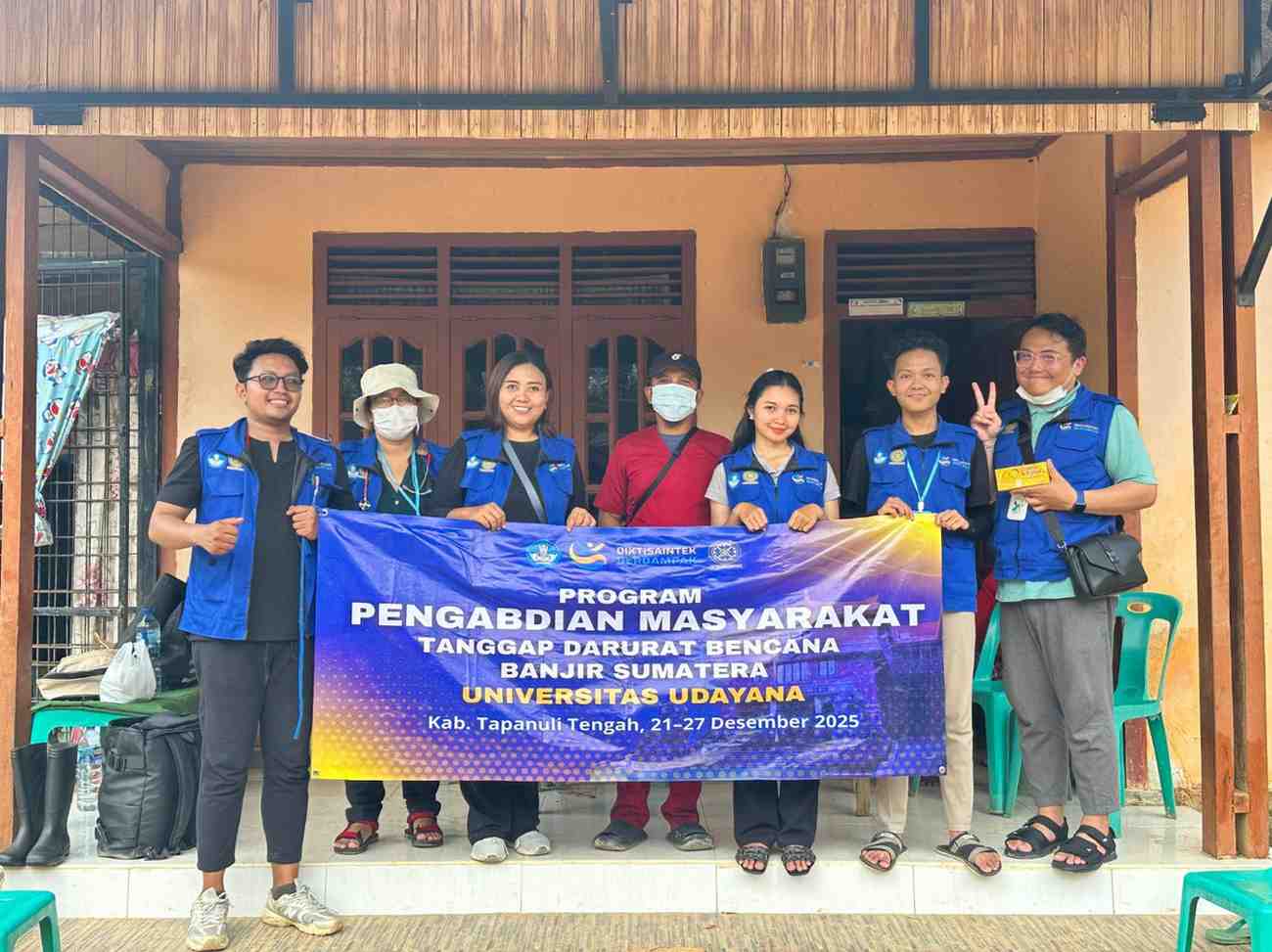
Amidst the Wounds of Cyclone Senyar, Udayana University's Faculty of Medicine Provides Care to Residents of Tukka, Tapteng Regency, North Sumatra.
DENPASAR — Cyclone Senyar, which struck Sumatra, left a profound impact on the people of Tukka District, Central Tapanuli Regency, North Sumatra. Flash floods triggered by extreme rain not only damaged nature and infrastructure, but also disrupted the lives of thousands of residents, who struggled with loss and hardship.
According to preliminary reports, this disaster resulted in 127 fatalities, 37 people are missing, and more than 4,200 residents were forced to evacuate. Physical damage occurred to various facilities, including 14 health facilities, 24 schools, 3 bridges, and a section of a main road that was cut off. No fewer than 8,365 homes were reported to have suffered damage ranging from severe, moderate, to light. Rice fields and gardens were covered by floodwaters, river courses were altered, and clean water and sanitation systems were damaged.
In Tukka District itself, the impact of the disaster was quite severe. A total of 27 residents died, 49 were missing, and 786 residents had to evacuate. Although the waters have receded, traces of the disaster remain clearly visible—piles of wood along roads, mud in homes and schools, and landslides that covered residents' agricultural land.
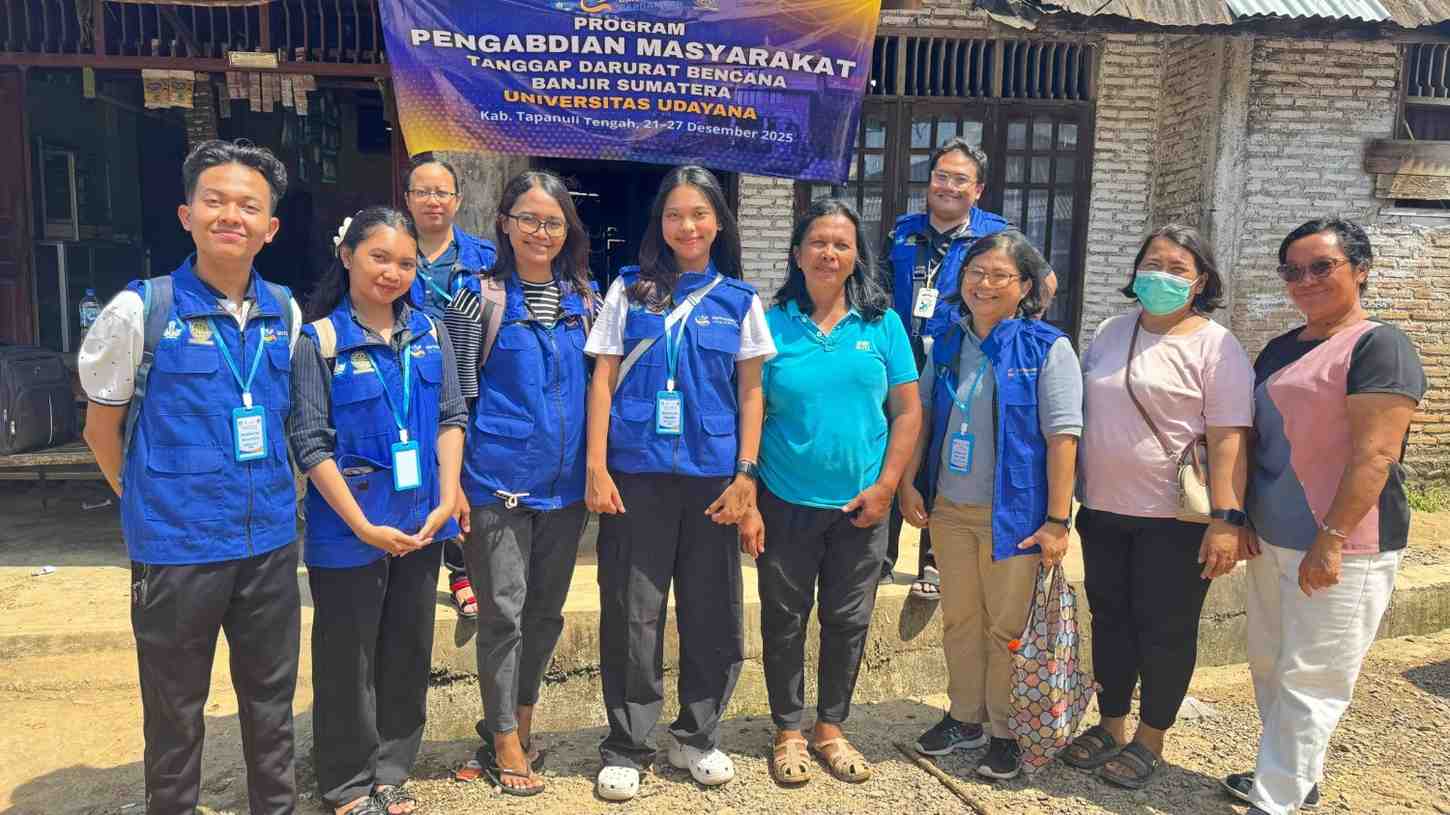
In response to this situation, the Faculty of Medicine of Udayana University (FK Unud), with support from the Directorate General of Research and Development, Ministry of Higher Education, Science, and Technology, conducted a disaster response community service activity from December 21–27, 2025. Health services were focused on the villages of Sipange, Hutanabolon, and Bona Lumban, areas that were severely affected.
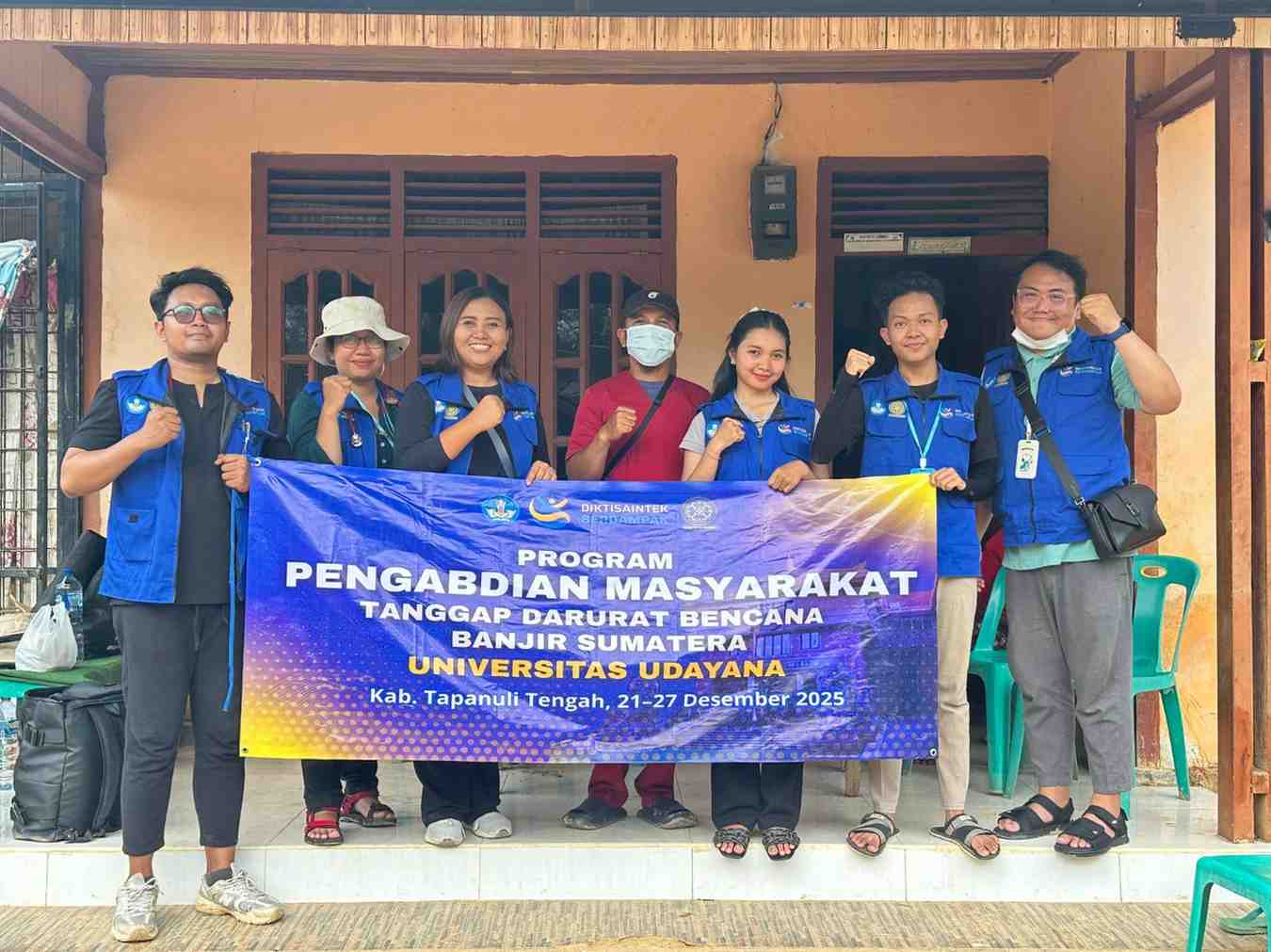
The 10-person FK Unud team came from various disciplines, including medical education, surgery, neurosurgery, internal medicine, pediatrics, and public health. The team composition was adjusted based on field needs and the readiness of volunteer medical personnel.
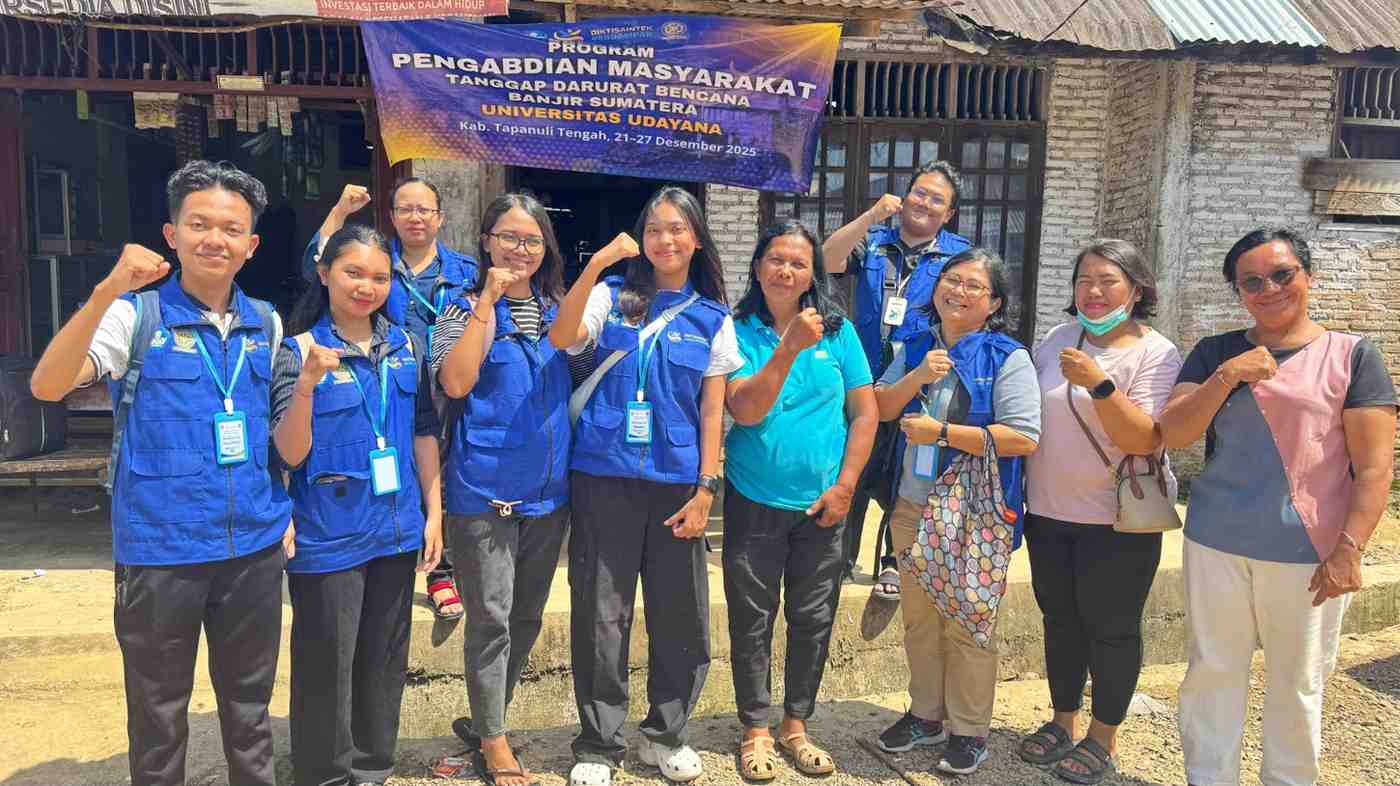
Services provided included health checks, medication administration, minor wound care, and health education for children. All services were provided directly in residential areas to ensure easy access for those with limited mobility.
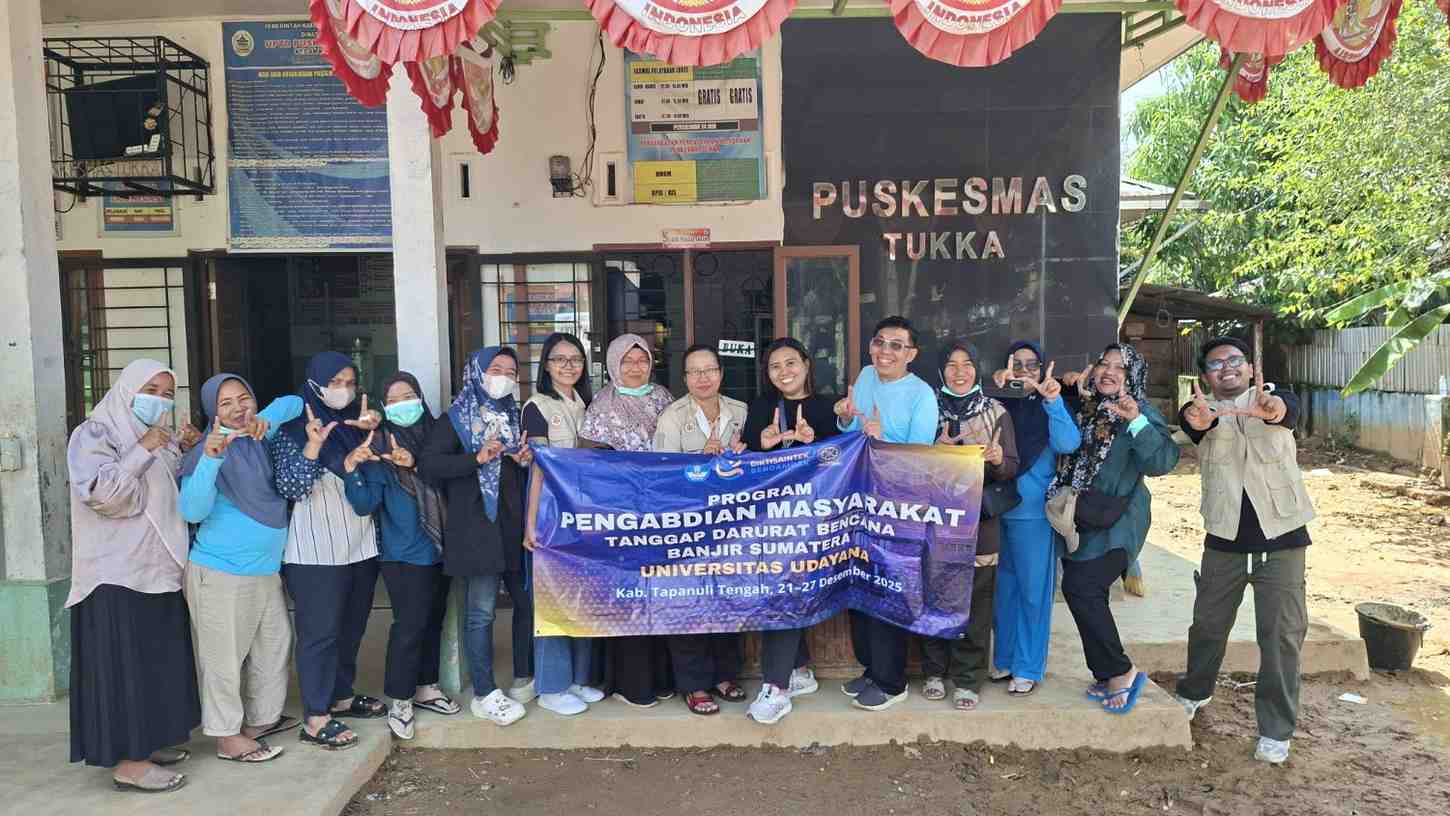
A total of 227 residents received healthcare services. The most common complaints included acute respiratory infections (ARI), hypertension, skin diseases, and muscle pain. Screening revealed an elderly person with suspected breast cancer who was immediately referred to a referral health facility with assistance from local community health center staff.
In addition to medical services, the team also provided health education to 185 children, particularly on worm control and self-protection, as part of promotional and preventive efforts. In the Christmas season, children affected by the disaster also received simple gifts as a form of psychosocial support and encouragement amidst difficult conditions.
This activity was implemented through tiered coordination with the Ministry of Health's Health Crisis Center, the North Sumatra Provincial Health Office, the Central Tapanuli Regency Health Office, Pandan Regional Hospital, and the Central Tapanuli Volunteer Desk.
Experience providing direct services at the disaster site demonstrates that the need for basic healthcare services remains high, even though the disaster occurred 1.5 months ago. Residents need not only treatment for flood-related illnesses, but also continued basic healthcare services amidst limited access and an environment that has not yet fully recovered.
Through this disaster response service, the Faculty of Medicine at Udayana University affirms its commitment to continuously providing community-based healthcare services, while strengthening the role of medical education institutions in the humanitarian response in disaster-affected areas.
Gallery
UDAYANA UNIVERSITY