 ENG
ENG
 INA
INA
Biomedical Science Doctorate Researches Hatha Yoga to Reduce Post-Breast Cancer Surgery Depression by Increasing BDNF and Serotonin and Suppressing Inflammation

Biomedical Science Doctorate Researches Hatha Yoga to Reduce Post-Breast Cancer Surgery Depression by Increasing BDNF and Serotonin and Suppressing Inflammation
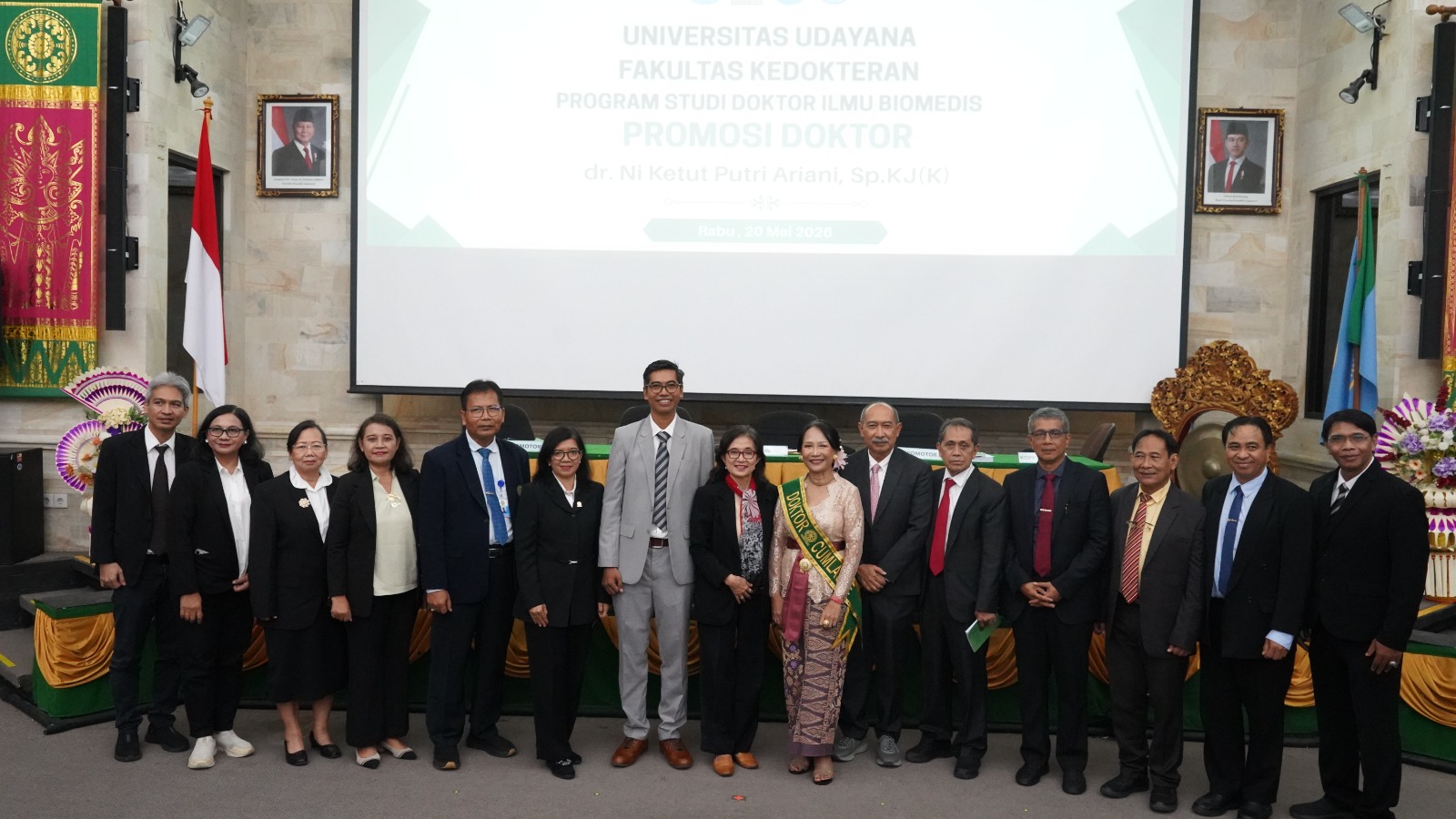
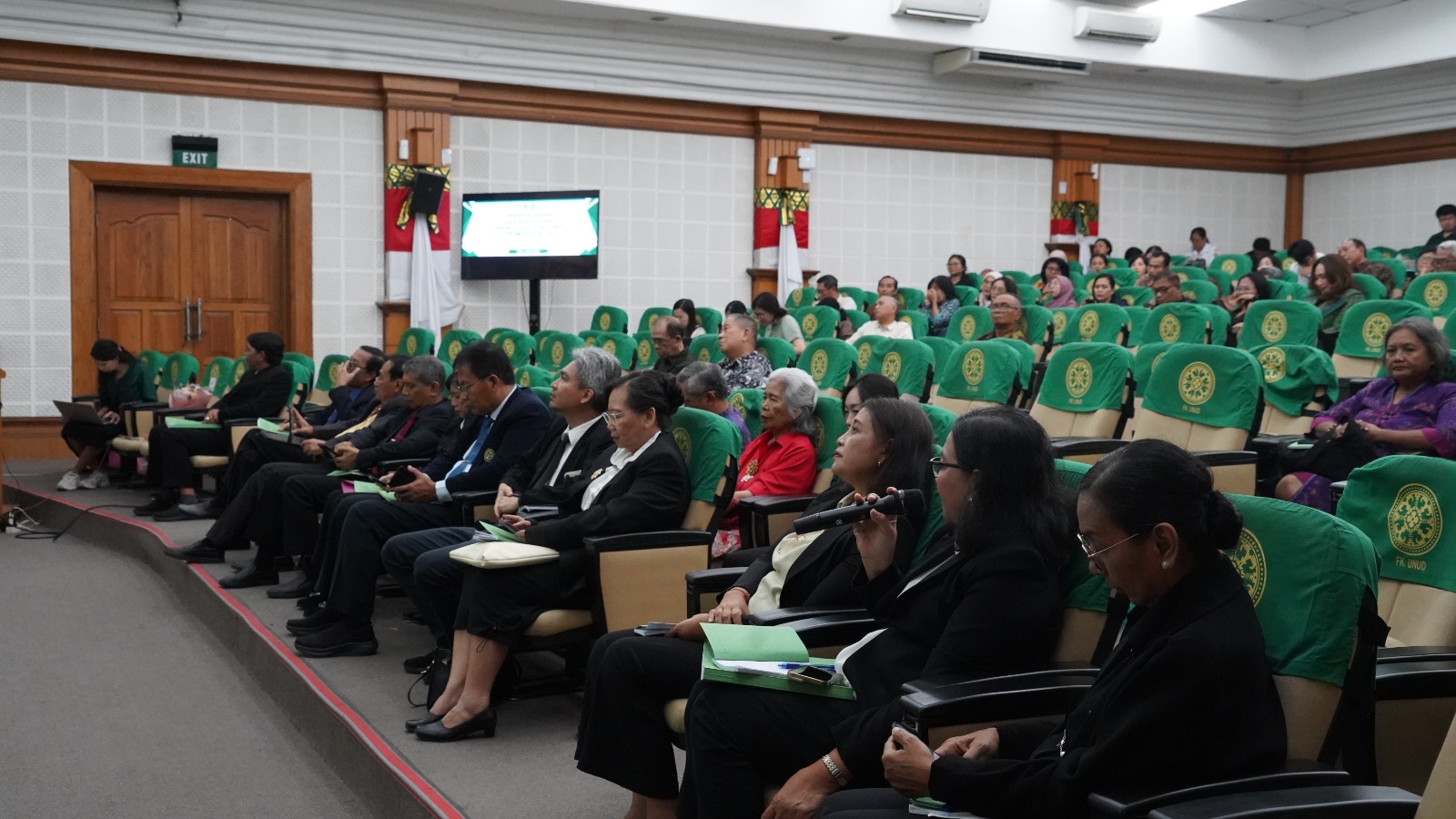
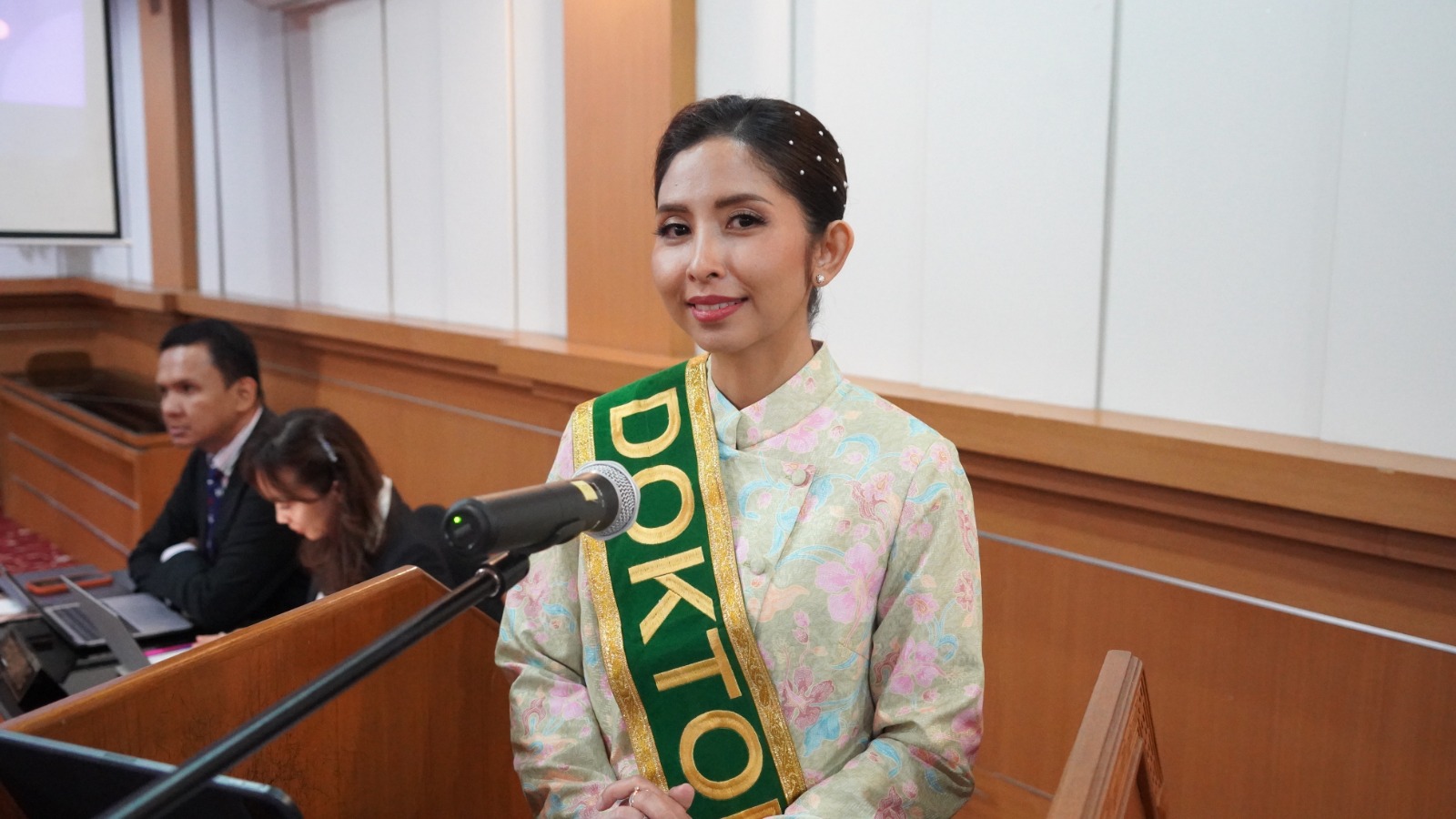
Held in the Dr. A.A. Made Djelantik Meeting Room, 4th Floor of the Faculty of Medicine, Udayana University, Jalan P.B. Sudirman, Denpasar, the Biomedical Science Doctoral Study Program, Faculty of Medicine, Udayana University, held an open doctoral promotion defense with candidate Dr. Ni Ketut Putri Ariani, Sp.KJ(K)., with the dissertation title "Hatha Yoga Training Increases Brain-Derived Neurotrophic Factor and Serotonin Levels, and Reduces Interleukin-6 Levels and Depressive Symptoms in Breast Cancer Patients After Modified Radical Mastectomy at Ngoerah Hospital." (May 20, 2026)
Breast cancer patients undergoing Modified Radical Mastectomy (MRM) are at risk of experiencing depressive symptoms. Hatha yoga interventions have the potential to modulate neuroplasticity, neurotransmitters, and inflammatory responses.
This study assessed the effect of hatha yoga training on levels of Brain-Derived Neurotrophic Factor (BDNF), serotonin, interleukin-6 (IL-6), and depressive symptoms in breast cancer patients after MRM.
This study used a randomized controlled trial with a pre-test and post-test control group. Subjects who met the criteria were randomized to the hatha yoga group, receiving 3 times per week for 8 weeks, and the control group. BDNF, serotonin, and IL-6 biomarkers were examined at baseline and post-intervention using ELISA; depressive symptoms were assessed using the Beck Depression Inventory (BDI).
Mean BDNF in the treatment group increased from 2.44 ± 2.23 to 2.88 ± 3.35 ng/mL compared to the control group (p=0.010). Mean serotonin levels increased in the treatment group (547.37 ± 159.72 to 1237.34 ± 1780.48 ng/mL) compared to the control group (p< 0.001). IL-6 levels increased in both groups, but were lower in the treatment group (97.60 ± 128.51 to 118.30 ± 185.44 pg/mL) (p=0.002). Depressive symptoms decreased in the treatment group (11.31 ± 7.64 to 5.75 ± 3.32) compared to the control group (p=0.007). A MANCOVA test found a significant effect on serotonin levels (p=0.007) and depressive symptoms (BDI) (p=0.009). Path analysis showed that the hatha yoga intervention had a main effect through the direct pathway, reducing depressive symptoms by 7.125 on the BDI score (p=0.004).
Eight weeks of Hatha yoga was associated with increased BDNF, serotonin, suppressed IL-6, and decreased depressive symptoms compared to controls.
This examination was led by the Vice Dean for General Affairs and Finance, Faculty of Medicine, Udayana University, Prof. Dr. dr. I Made Muliarta, S.Ked., M.Kes., with the following examiners:
1. Prof. Dr. dr. Cokorda Bagus Jaya Lesmana, S.Ked., Sp.KJ(K), MARS (Promoter)
2. Prof. Dr. dr. I Wayan Sudarsa, Sp.B., Subsp.Onk(K) (Co-Promoter I)
3. Prof. Dr. dr. I Made Oka Adnyana, Sp.S(K) (Co-Promoter II)
4. Prof. Dr. dr. I Made Jawi, M.Kes
5. Prof. Dr. dr. I Wayan Putu Sutirta Yasa, M.Si
6. Prof. Dr. dr. Margarita Maria Maramis, Sp.KJ(K), Faculty of Social and Political Sciences
7. Prof. Dr. dr. I Putu Gede Adiatmika, M.Kes
8. Prof. Dr. dr. Komang Januartha Putra Pinatih, M.Kes
9. Prof. Dr. dr. Desak Made Wihandani, M.Kes
10. Dr. dr. I Wayan Surudarma, M.Si
By academic invitation:
1. Dr. dr. Anak Ayu Sri Wahyuni, Sp.KJ
2. Dr. dr. Lely Setyawati Kurniawan, Sp.KJ(K)
3. Dr. dr. Ida Aju Kusuma Wardani, Sp.KJ(K)., MARS
4. Dr. dr. Luh Nyoman Alit Aryani, Sp.KJ(K)
5. Dr. dr. I Putu Belly Sutrisna, M.Biomed., Sp.KJ, M.Kom
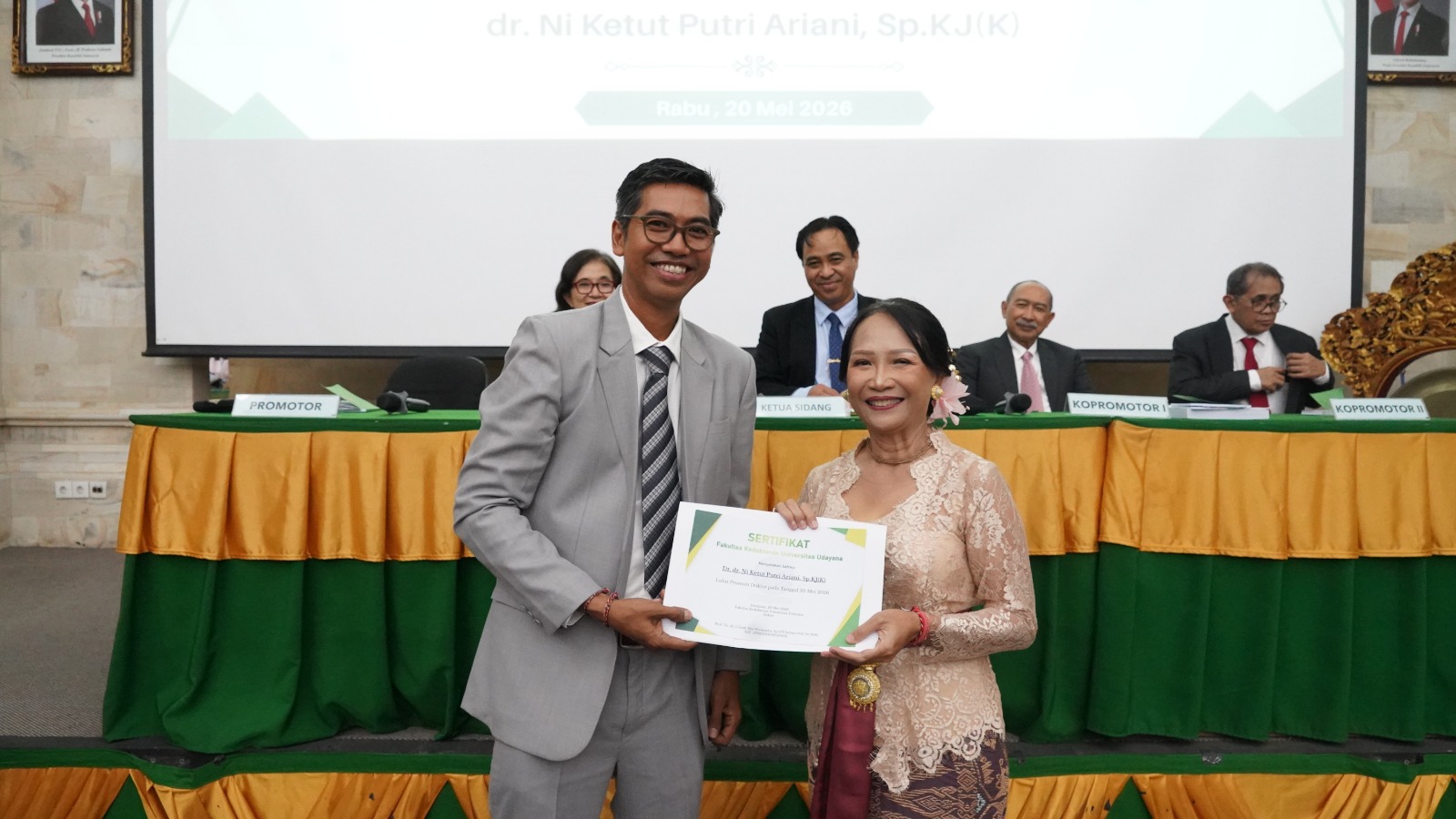
In this exam, Dr. dr. Ni Ketut Putri Ariani, Sp.KJ(K)., was declared to have graduated as the 495th Doctoral Graduate of the Biomedical Science Doctoral Study Program, Faculty of Medicine, Udayana University with Cum Laude honors.
Gallery




UDAYANA UNIVERSITY