 ENG
ENG
 INA
INA
Neuromodulation: A New Hope for Modern Psychiatry, Udayana University's Faculty of Medicine's Psychiatry Specialist Program Holds Guest Lecture with National Experts
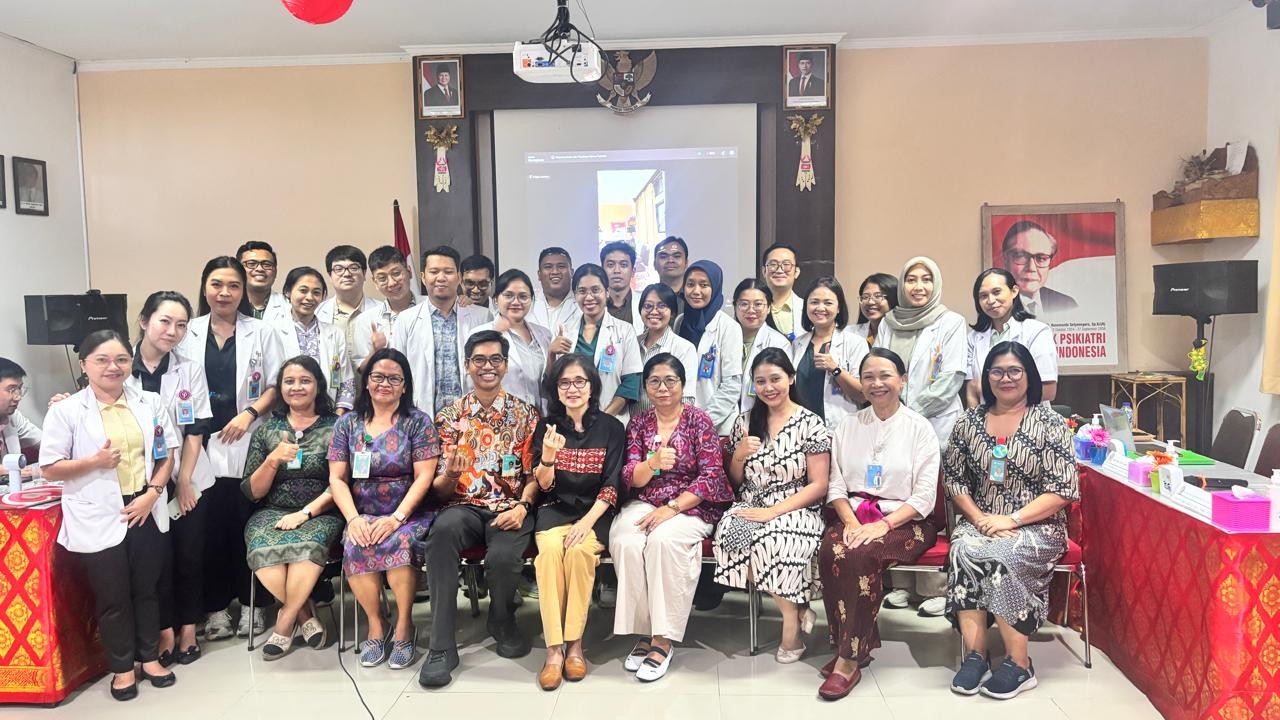
Neuromodulation: A New Hope for Modern Psychiatry, Udayana University's Faculty of Medicine's Psychiatry Specialist Program Holds Guest Lecture with National Experts
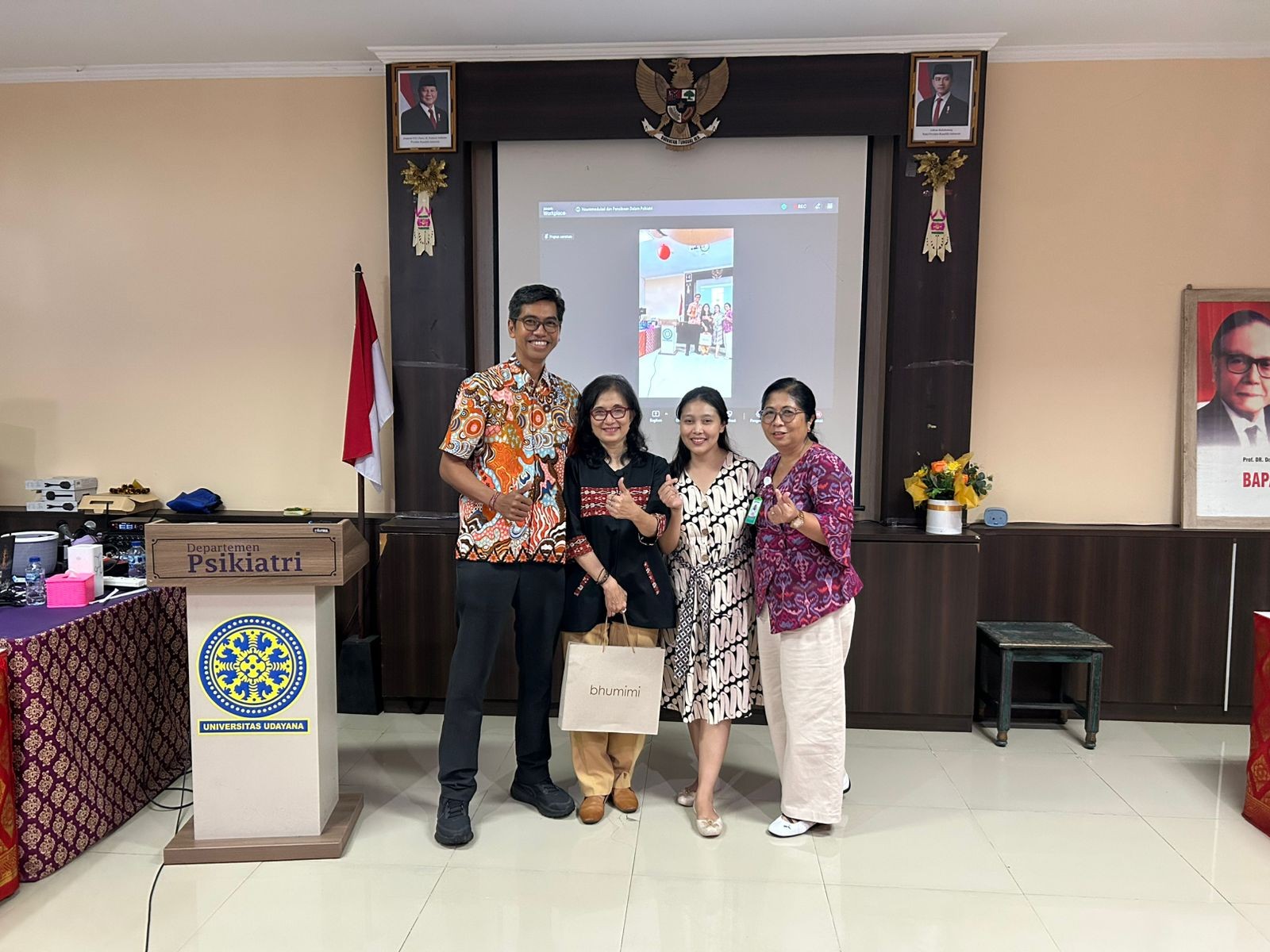
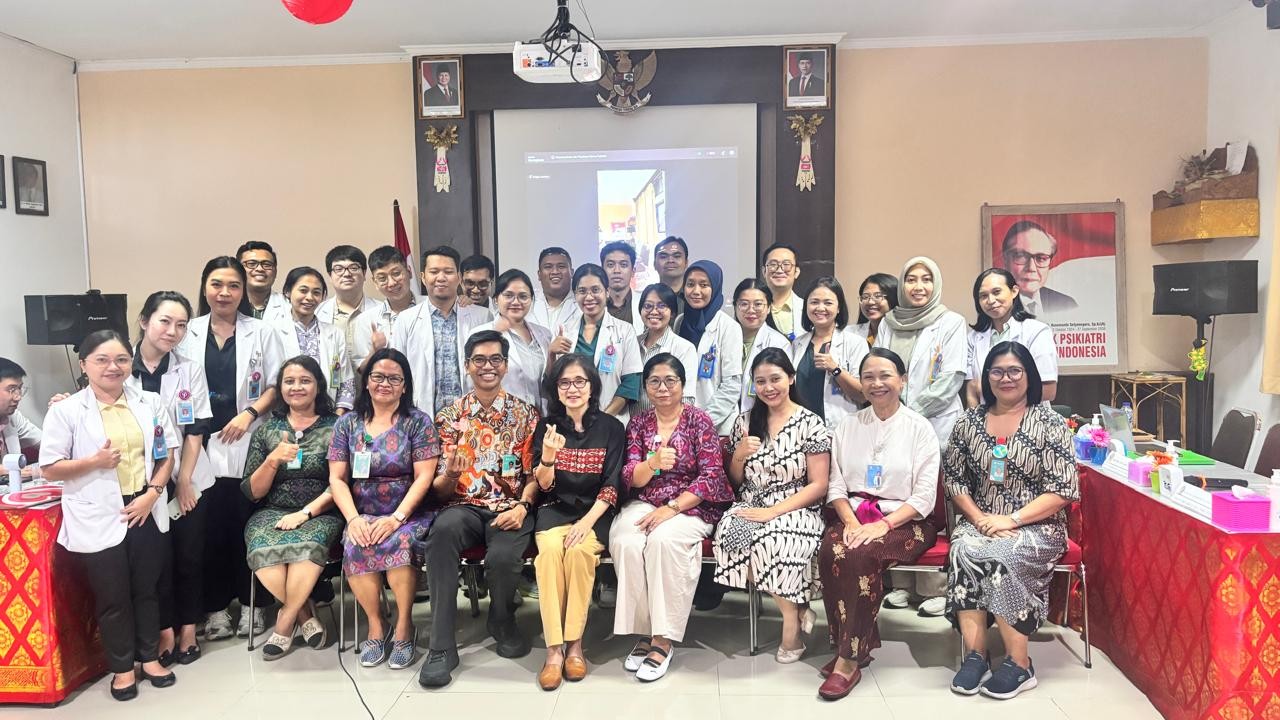
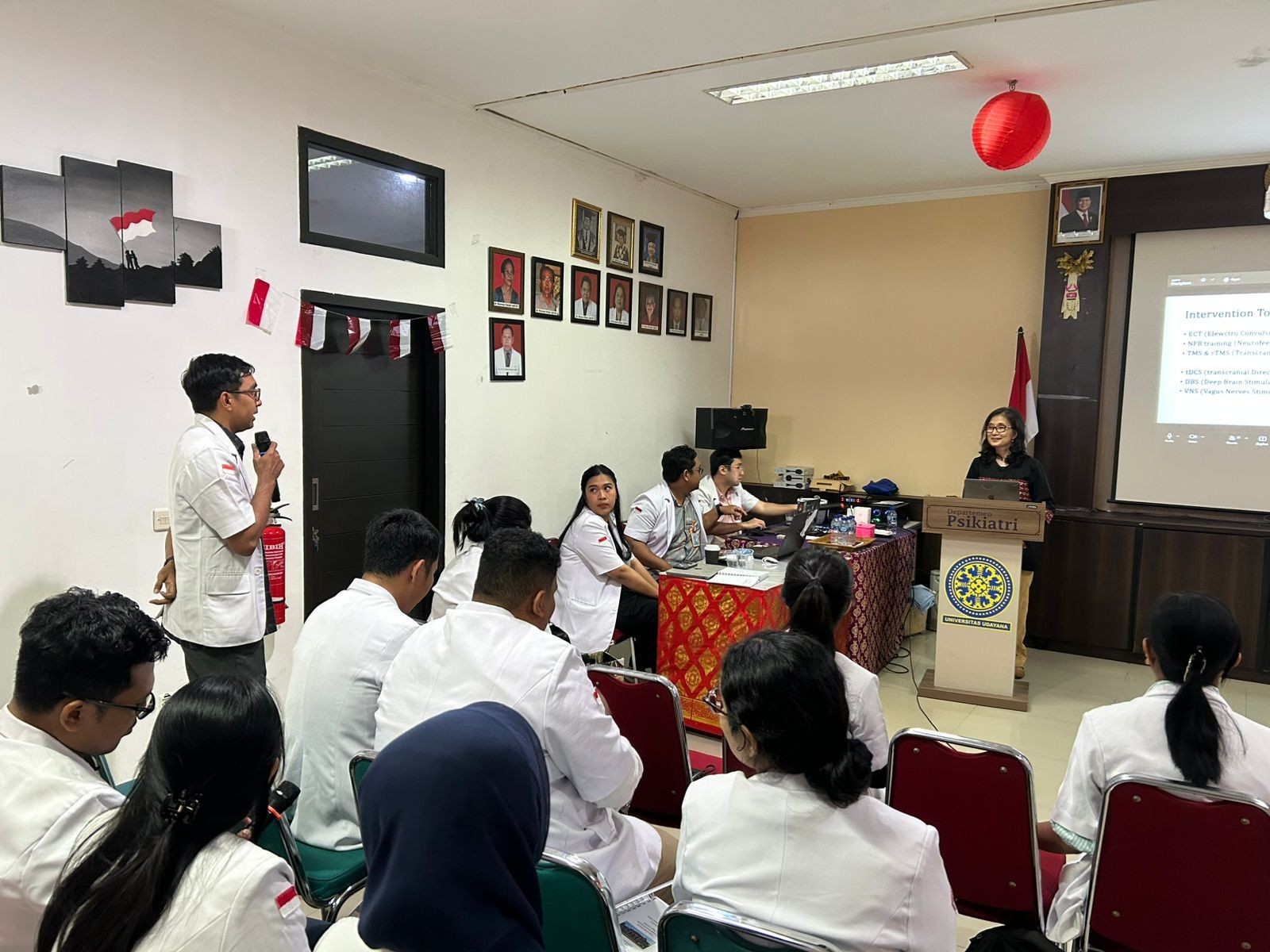
Technological advancements in mental health are opening up new opportunities in the diagnosis and treatment of psychiatric disorders. Responding to these developments, the Psychiatry Specialist Program, Faculty of Medicine, Udayana University (FK Unud), in collaboration with Prof. I.G.N.G. Ngoerah General Hospital, held a guest lecture titled "Neuromodulation in Psychiatry: Neuroimaging and Neurophysiology," held in the Meeting Room of Dr. I Gusti Putu Panteri, Sp.KJ.(K) at Prof. I.G.N.G. Ngoerah General Hospital on Tuesday, May 19, 2026.
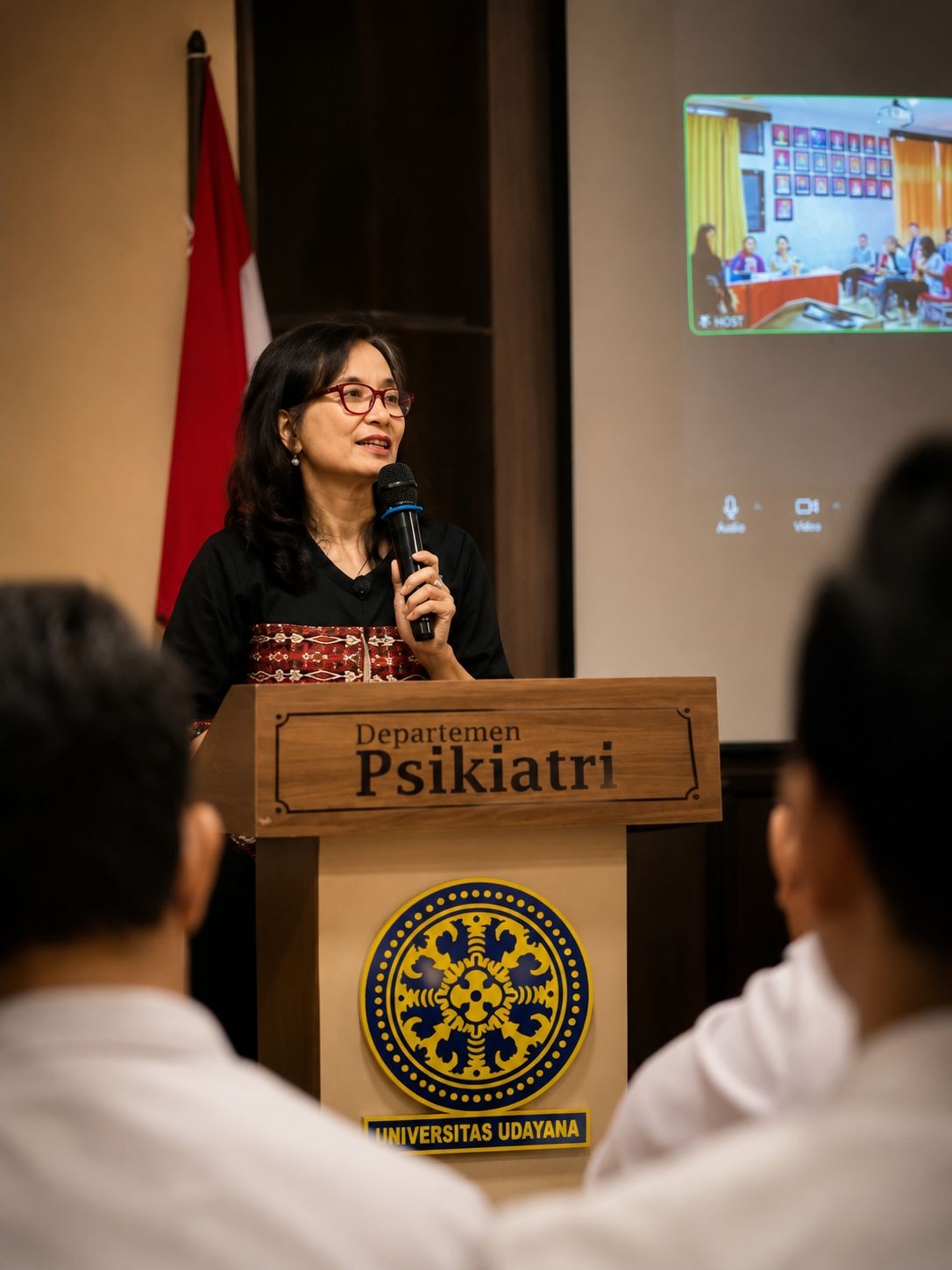
This academic event featured national psychiatry expert, Prof. Dr. dr. Margarita Maria Maramis, Sp.KJ(K), FISCM, who presented the development of neuromodulation and brain imaging technology as the future of more precise and science-based mental health services. The event was also attended by the Head of the Department of Psychiatry, Faculty of Medicine, Udayana University, I Gusti Ayu Indah Ardani, dr., Sp.K.J., Subsp.A.R.(K).
The event was opened by the Vice Dean for Academic and Planning at the Faculty of Medicine, Udayana University, Prof. Dr. I Made Ady Wirawan, S.Ked., M.P.H., Ph.D., who in his remarks emphasized that the development of neuromodulation is a crucial part of the transformation of modern healthcare services because it enables a more objective, measurable, and personalized approach to psychiatric diagnosis and therapy.
"Psychiatry is currently developing very rapidly. Neuromodulation and neuroimaging open up significant opportunities for a deeper understanding of brain function, allowing for more targeted patient care," said Prof. Ady.
The Coordinator of the Psychiatry Specialist Study Program at the Faculty of Medicine, Udayana University, Prof. Dr. Cokorda Bagus Jaya Lesmana, dr., Sp.K.J., Subsp.K.(K), MARS, stated that this activity is part of an effort to improve the quality of mental health education and services in Indonesia.
"Modern psychiatry is no longer solely based on symptom observation, but is moving toward a biological and technological approach. We want participants to understand that neuromodulation has great potential to improve the quality of diagnosis and therapy for patients with mental disorders," said Prof. Cokorda.
In the guest lecture, Prof. Margarita explained various neuroimaging and neurophysiological methods currently developing in psychiatry, such as CT scans, MRIs, functional MRI (fMRI), PET scans, EEGs, and quantitative EEGs (qEEG). These technologies allow doctors to observe brain activity and connectivity, which were previously difficult to evaluate directly.
In addition to diagnosis, the discussion also highlighted developments in neuromodulation therapies such as electroconvulsive therapy (ECT), transcranial magnetic stimulation (TMS), transcranial direct current stimulation (tDCS), deep brain stimulation (DBS), and vagus nerve stimulation (VNS).
According to Prof. According to Prof. Margarita, this approach offers new hope, especially for patients with psychiatric disorders that are difficult to treat with conventional therapy.
"Neuromodulation offers broader and more individualized therapeutic opportunities. By understanding the brain networks involved in a disorder, therapy can be more specifically targeted, resulting in improved treatment outcomes," explained Prof. Margarita.
Prof. Margarita also added that advances in brain technology are not only beneficial for the academic world but also have a direct impact on society by improving the quality of mental health services.
This guest lecture was moderated by I Gusti Agung Ayu Widyarini, dr., Sp.K.J. and was attended by specialist doctors, students of the Psychiatry Specialist Study Program, and healthcare professionals from various institutions. The discussion was interactive and enthusiastic, with participants interested in the future of neuroscience-based therapy in psychiatry.
Through this activity, the Faculty of Medicine, Udayana University, hopes that the use of neuromodulation technology will become more widely known and become part of the development of more advanced, effective, and humane mental health services in Indonesia.
Gallery

UDAYANA UNIVERSITY