 ENG
ENG
 INA
INA
The 500th Graduate of the Faculty of Medicine's Doctoral Program Develops a Health Information System (MIS-Dinkes) to Support Smart Health in Badung Regency
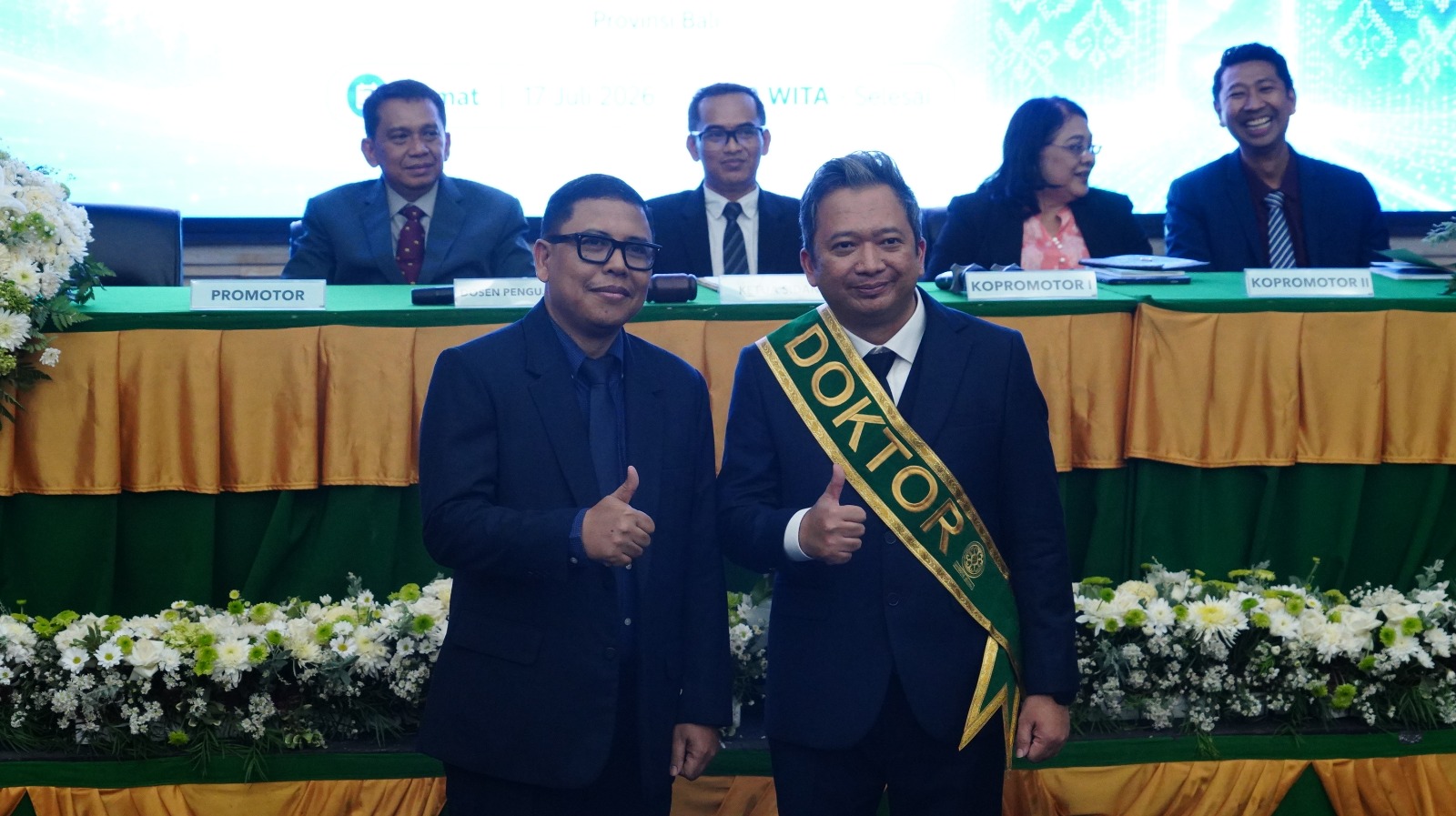
The 500th Graduate of the Faculty of Medicine's Doctoral Program Develops a Health Information System (MIS-Dinkes) to Support Smart Health in Badung Regency
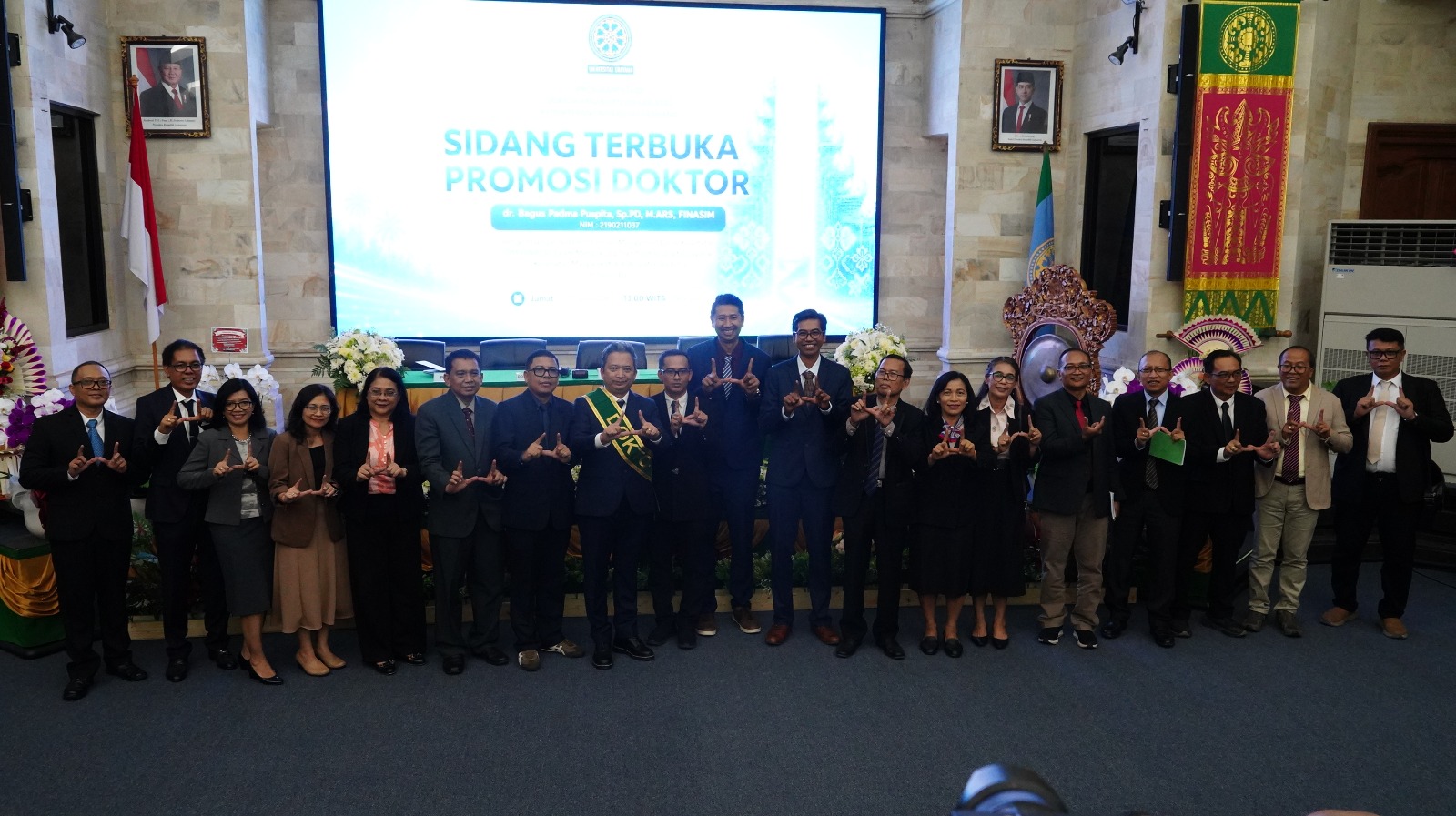
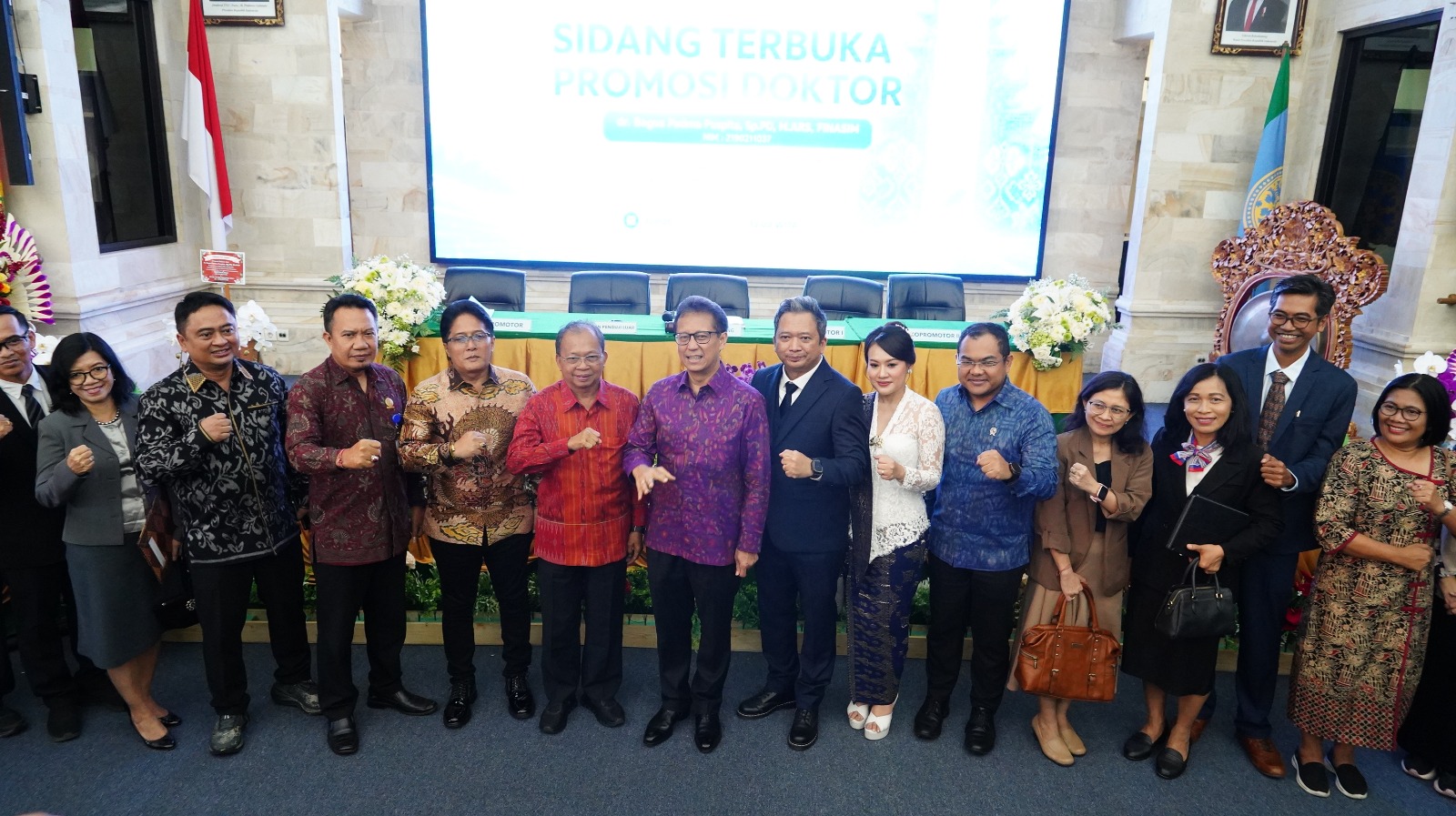
Held in the Dr. A.A. Made Djelantik Meeting Room, 4th Floor, Faculty of Medicine Building, Udayana University, the Doctoral Program in Biomedical Sciences, Faculty of Medicine, Udayana University, held an open doctoral promotion defense with Dr. Bagus Padma Puspita, Sp.PD, MARS., as the candidate for the dissertation, entitled "Development of a Health Office Management Information System (MIS-Dinkes) in Supporting the Digital Transformation of Public Health Services in Badung Regency, Bali Province." (July 17, 2026)
Digital health transformation is a strategic necessity for strengthening efficient, integrated, responsive, and data-driven regional health service governance. Badung Regency, as a region with high population mobility and the development of a smart city, requires a health information system capable of integrating data across facilities, reducing duplication of records, accelerating reporting, and supporting evidence-based decision-making. The current health information system remains fragmented at the community health center (Puskesmas), hospital, and health office levels, thus failing to optimally support the digital transformation of healthcare services. This research aims to develop the Health Office Management Information System (SIM-Dinkes) as an integrated regional health management information system to support the digital transformation of public healthcare services in Badung Regency.
This research employed an exploratory sequential mixed methods design, beginning with a qualitative study and continuing with a quantitative study. The qualitative phase involved in-depth interviews and focus group discussions with 27 expert panels, 45 healthcare workers, 40 representatives of regional government organizations, and 10 community representatives. Data were analyzed thematically to identify SIM-Dinkes development needs, formulate a grand design, and analyze benefits from product feasibility, market feasibility, financial feasibility, and organizational feasibility aspects. The quantitative phase was conducted through a cross-sectional survey using the Health Information Technology Usability Evaluation Scale (Health-ITUES) instrument among users of the SIM-Dinkes prototype through the Badung Sehat Mobile application. 364 respondents participated in the Disease Distribution feature, 364 in the Emergency Service feature, and 483 in the Home Care Service feature.
The qualitative research results indicate that developing SIM-Dinkes requires institutional commitment, program sustainability, cross-sector data integration, a National Identification Number (NIK)-based database, human resource readiness, data security and verification, technological infrastructure, formal regulations, and collaboration across regional government agencies. The grand design of SIM-Dinkes encompasses three main domains: the Individual Information System, the Community Information System, and the Performance Information System, with key features being Disease Distribution, Emergency Services, and Home Care Services. A feasibility analysis indicates that SIM-Dinkes is feasible to develop from the perspectives of product feasibility, market feasibility, financial feasibility, and organizational feasibility. The quantitative research results showed that user acceptance of the SIM-Dinkes prototype was very positive, with the proportion of agree and strongly agree responses ranging from 94.51%–99.45% for the Disease Distribution feature, 93.13%–100.00% for the Emergency feature, and 93.37%–99.17% for the Home Care Service feature.
The conclusion of this study is that the development of a SIM-Dinkes integrated with the smart city concept is feasible and necessary to support the digital transformation of public health services in Badung Regency, with a high level of user acceptance for all tested features. SIM-Dinkes has the potential to become a model for an integrated, adaptive, and sustainable regional health information system, making it worthy of further development and large-scale implementation testing.
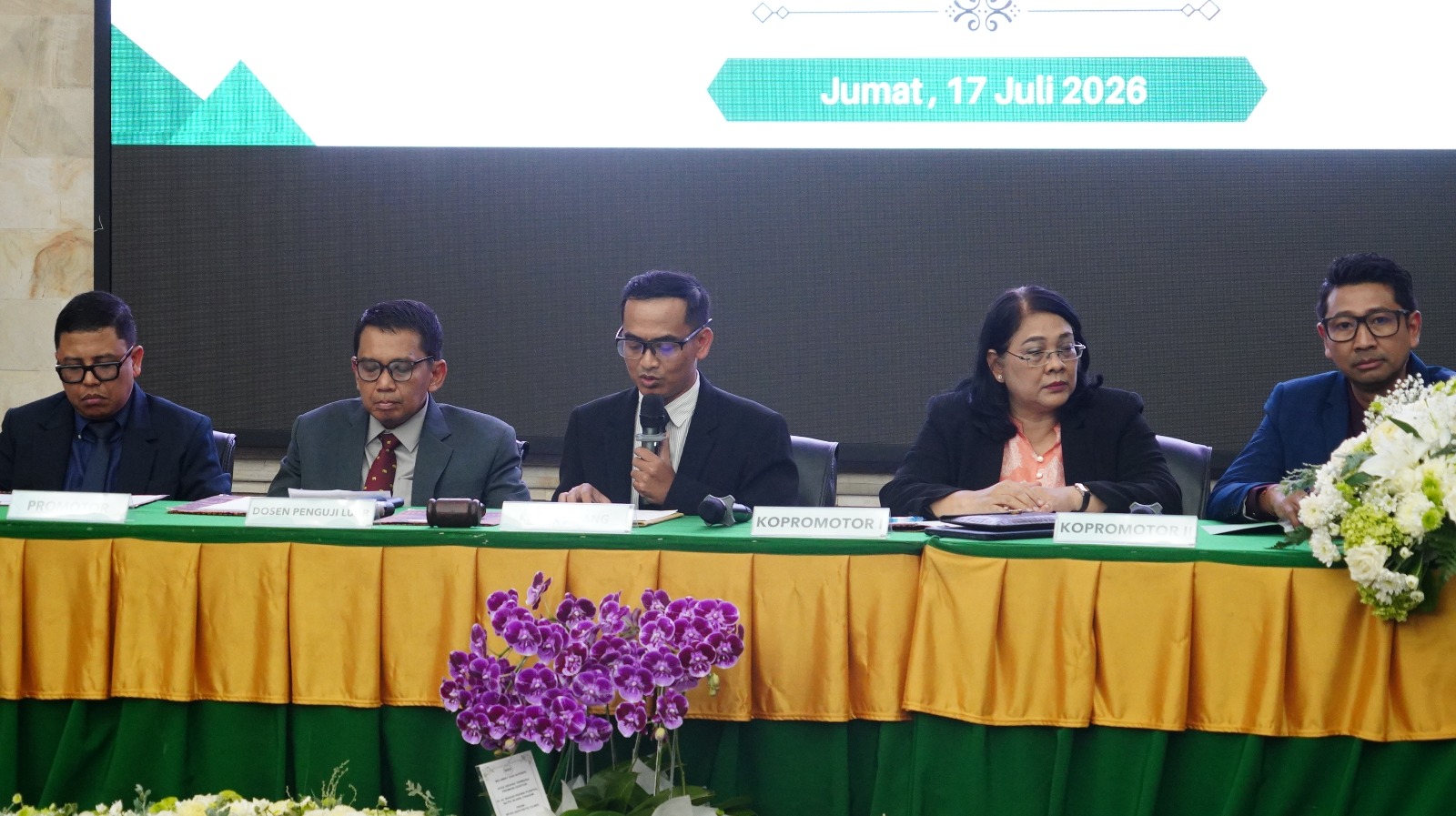
The testing was led by the Vice Dean for Academic and Planning, Faculty of Medicine, Udayana University, Prof. Dr. I Made Ady Wirawan, S.Ked., MPH., Ph.D., with the following team of examiners:
1. Prof. Dr. Pande Putu Januraga, M.Kes., Dr.PH. (Promoter)
2. Prof. Dr. Dr. Ni Nyoman Sri Budayanti, Sp.MK (K) (Copromotor I)
3. Cokorda Rai Adi Pramartha, S.T, M.M., Ph.D (Copromotor II)
4. Prof. Dr. Dr. I Made Jawi, M. Kes
5. Prof. Dr. Dr. Erwin Astha Triyono, Sp.PD-KPTI, FINASIM
6. Prof. Dr. Dr. A A. Wiradewi Lestari, Sp.PK, Subsp.BDKT(K), Subsp KV(K)
7. Prof. Dr. Dr. Cokorda Bagus Jaya Lesmana, S.Ked., Sp.KJ(K), MARS
8.Dr. Luh Seri Ani, SKM., M.Kes
9.Dr. Ni Ketut Sutiari, SKM., M.Si
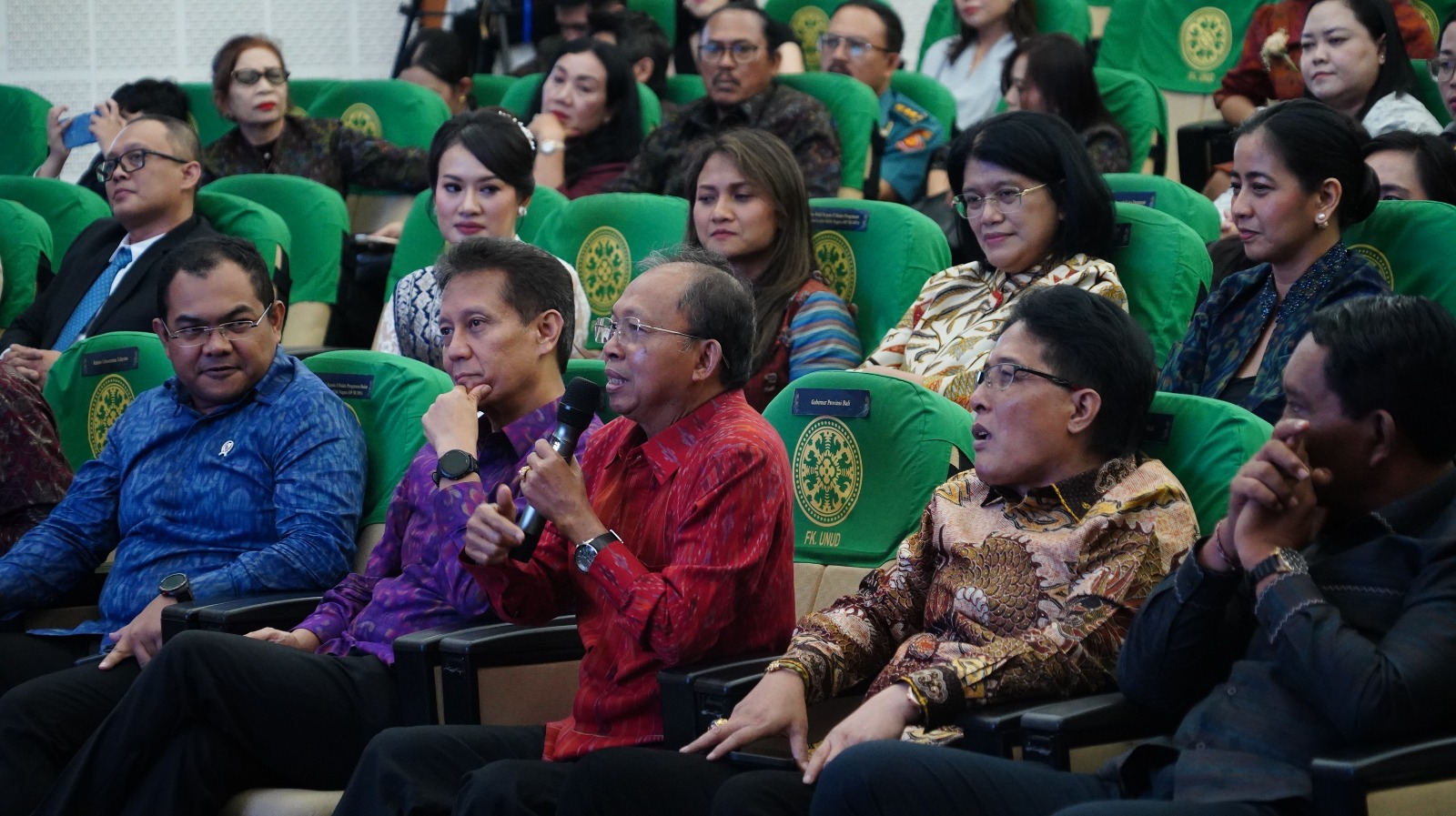
By academic invitation:
1. Dr. dr. I Gusti Putu Suka Aryana, Sp.PD, K-Ger, FINASIM
2. Dr. I Wayan Sumardika, S.Ked., M.Med.Ed., Ph.D
3. Dr. dr. Ketut Kwartantaya Winaya, Sp.KK(K)., FINSDV., FAADV
4. Dr. dr. I Wayan Los
Gallery
UDAYANA UNIVERSITY