 ENG
ENG
 INA
INA
The Orthopedics and Traumatology Specialist Study Program, Faculty of Medicine, Udayana University, Holds a Guest Lecture on the Application of Robotic-Assisted Total Knee Replacement

The Orthopedics and Traumatology Specialist Study Program, Faculty of Medicine, Udayana University, Holds a Guest Lecture on the Application of Robotic-Assisted Total Knee Replacement
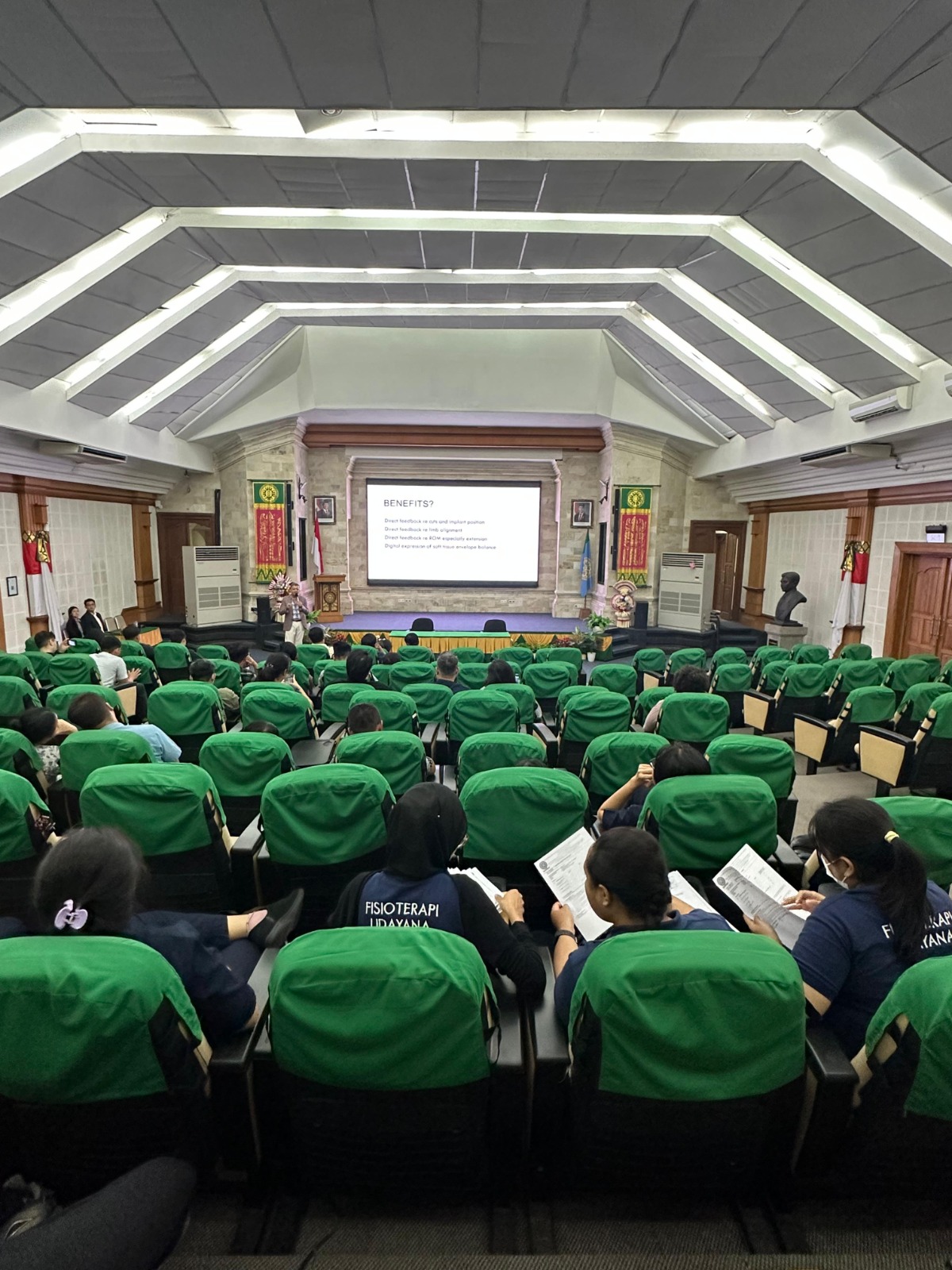
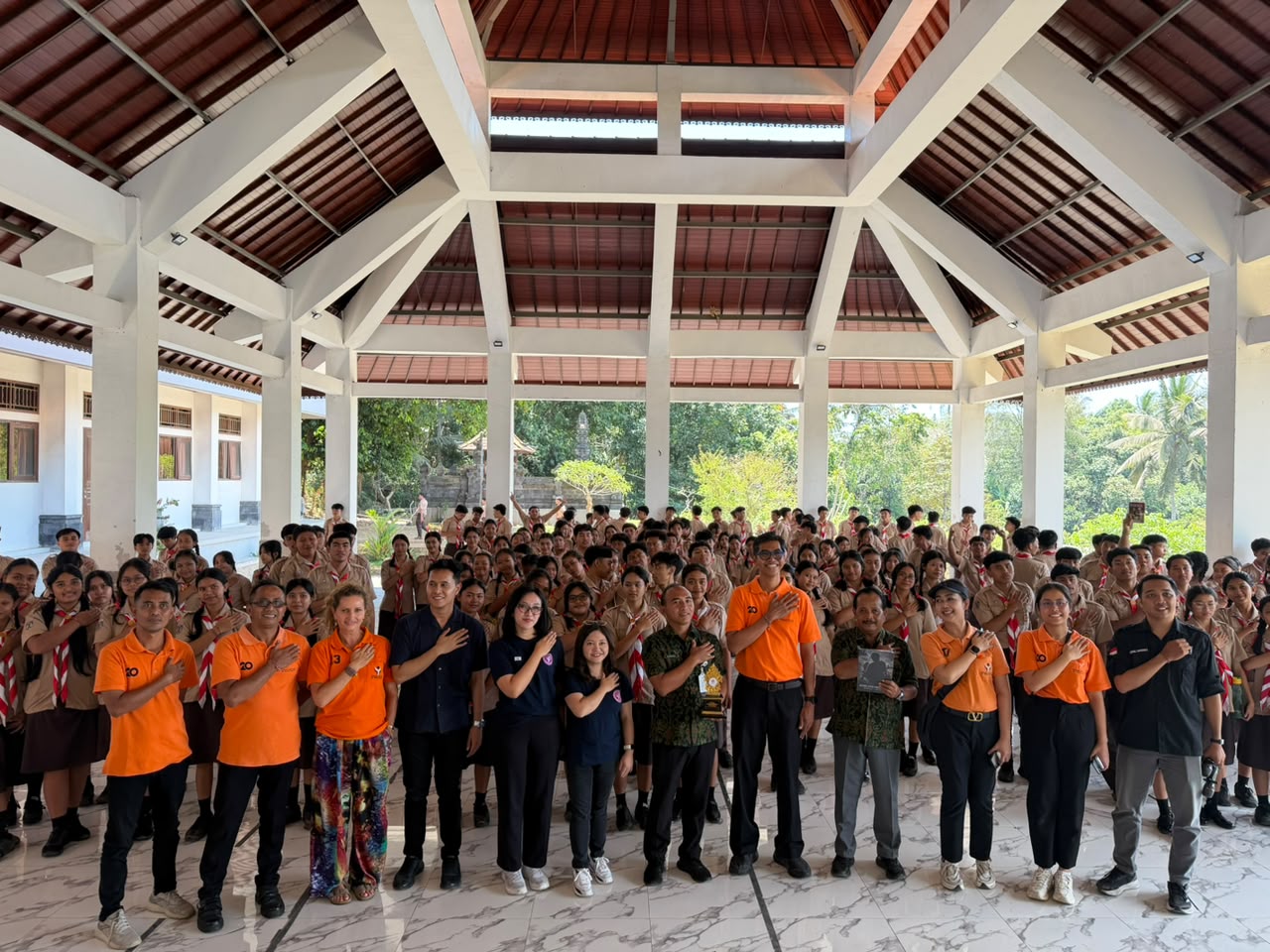
The Orthopedics and Traumatology Specialist Study Program, Faculty of Medicine, Udayana University, held a guest lecture in the Dr. A.A. Made Djelantik Meeting Room, 4th Floor, Faculty of Medicine Building, Udayana University, on Friday, July 3, 2026.
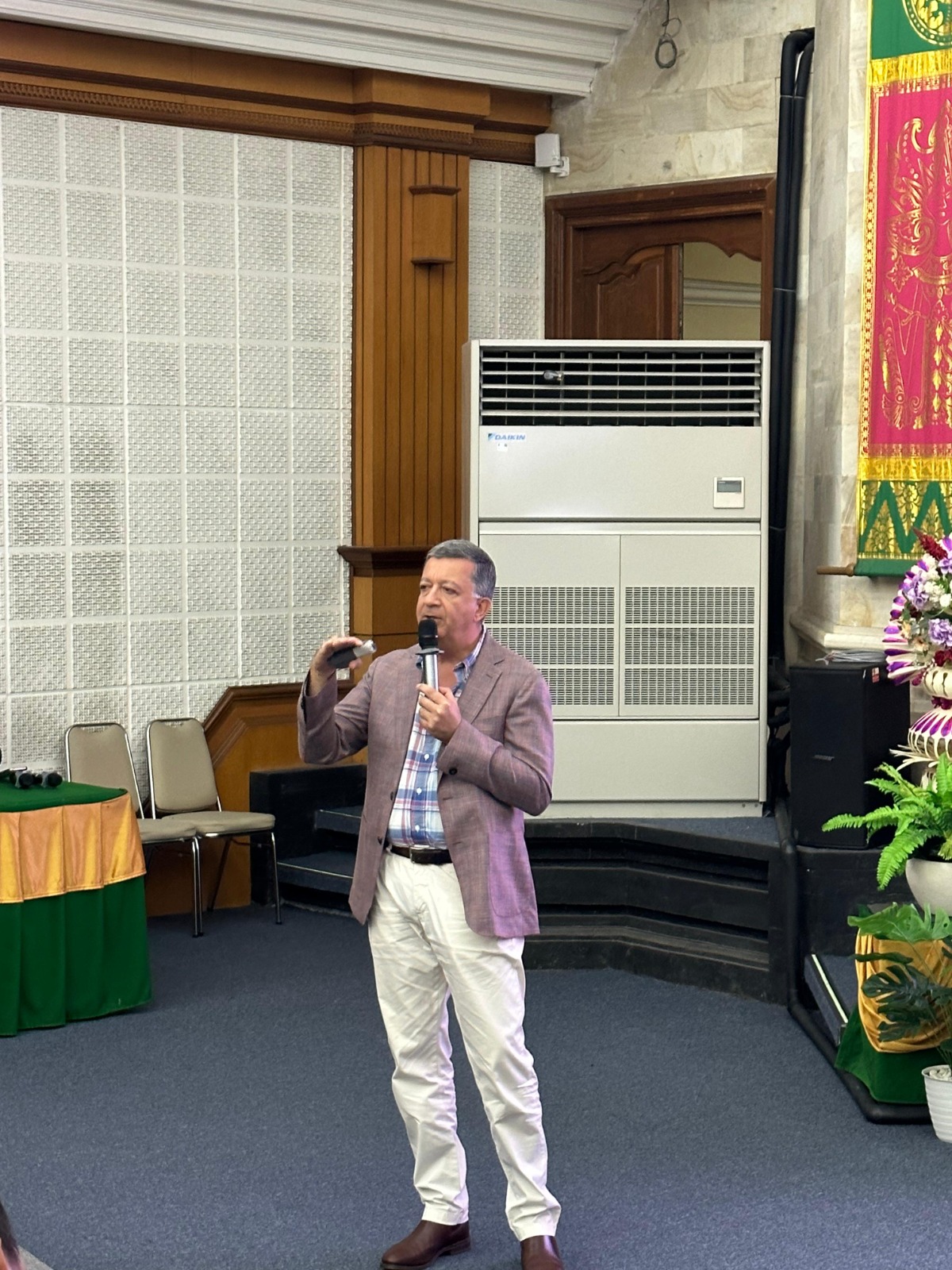
In an effort to stay abreast of the latest developments in joint reconstruction, Prof. Rami Sorial visited Bali to share his knowledge and experience regarding the application of robotic-assisted total knee replacement (TKA). This event provided an opportunity for participants to gain firsthand insight from an expert experienced in implementing robotic technology in arthroplasty procedures.
In an interactive scientific session, Prof. Rami explained how advances in robotic technology have transformed the approach to knee joint replacement surgery. He explained that robotic systems are not intended to replace the role of surgeons, but rather serve as tools that help improve accuracy through more detailed preoperative planning, individualized patient anatomical evaluation, and intraoperative guidance. With this technology, implant positioning can be more precisely performed, soft tissue balance can be evaluated more objectively, and every intraoperative decision can be adjusted based on real-time data.
In addition to discussing technical aspects, Prof. Rami also reviewed the latest scientific evidence regarding the benefits and limitations of robotic-assisted TKA. He emphasized the importance of appropriate patient selection, an understanding of the basic principles of arthroplasty, and operator experience as key factors in achieving optimal clinical outcomes. Robotics is an assistive technology that can improve procedural consistency, but surgical success still depends on the surgeon's knowledge, skill, and clinical decision-making.
The discussion also explored trends in robotic surgery developments at various orthopedic centers worldwide, including the increasing use of navigation technology and artificial intelligence in surgical planning. These innovations are expected to improve procedure reproducibility, reduce technique variation between operators, and provide a better patient experience through more accurate knee biomechanical restoration.
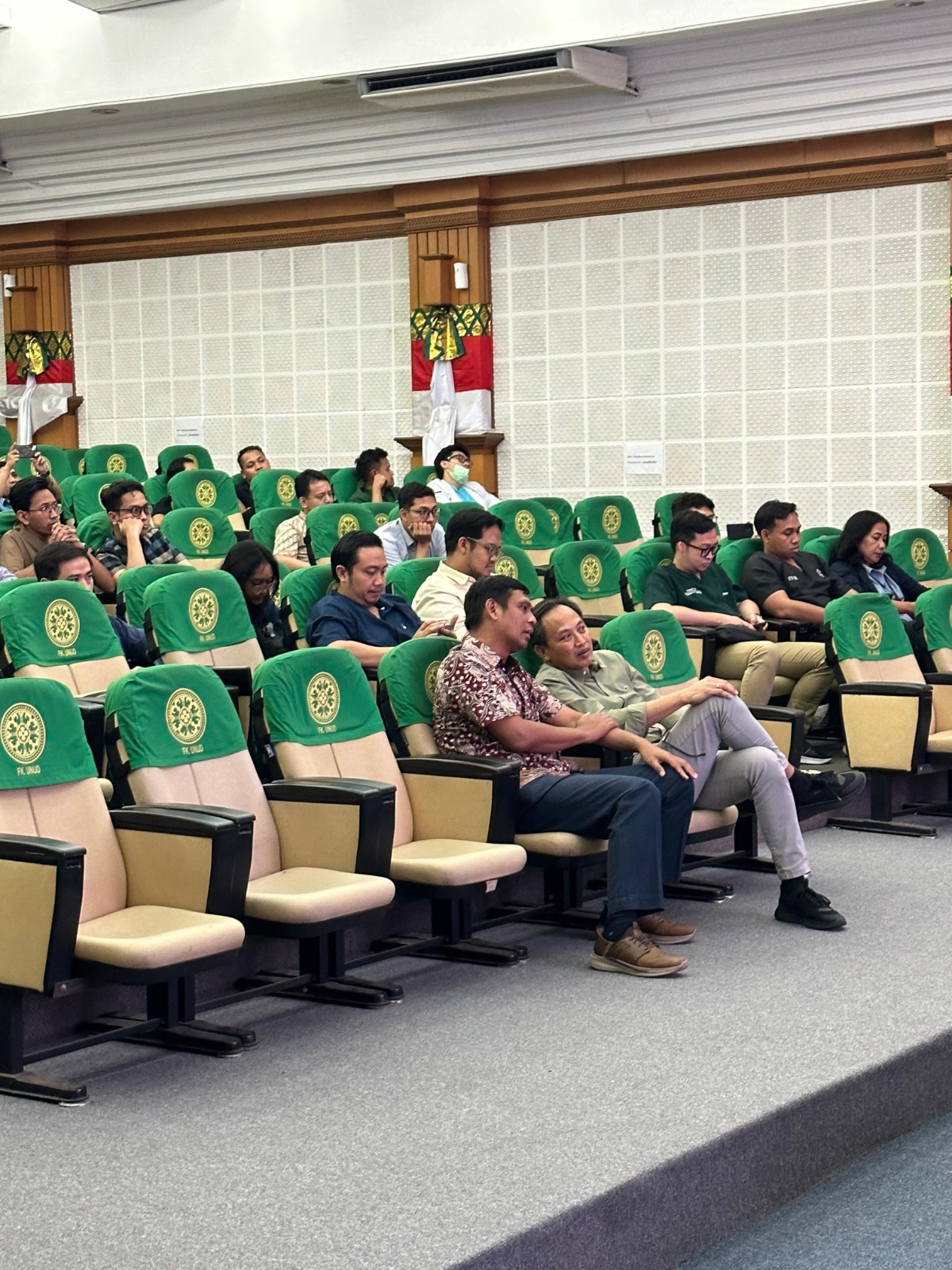
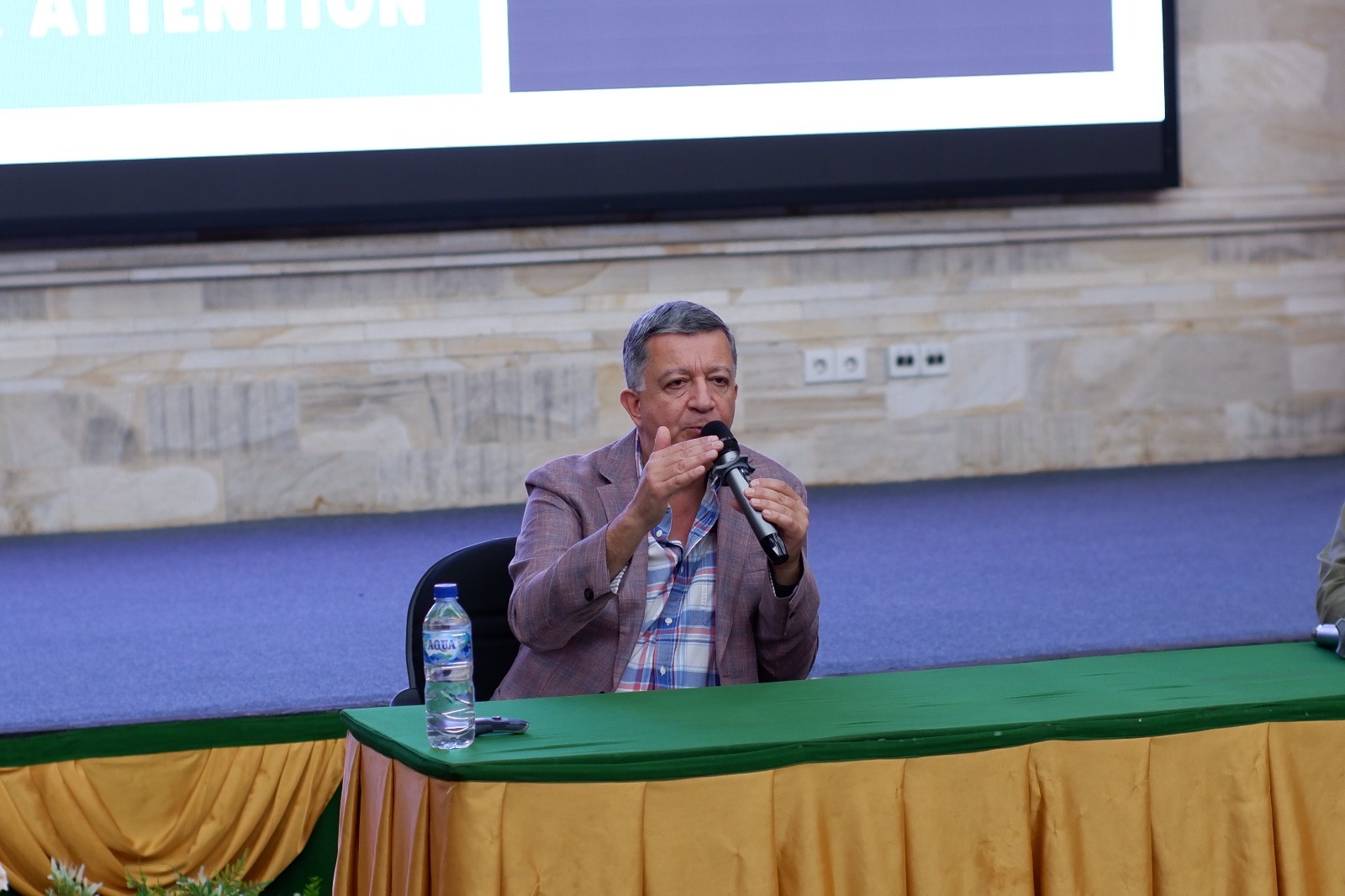
The Q&A session was lively, with various questions regarding the implementation of robotic-assisted TKA, ranging from the learning curve, procedural efficiency, cost analysis, and prospects for its application in developing countries. Through this discussion, participants gained a more comprehensive understanding of the latest developments in robotic technology and the challenges of implementing it in everyday practice.
Prof. Rami Sorial's visit provided a valuable opportunity to broaden our perspectives on the future of joint reconstructive surgery. This exchange of knowledge and experience is expected to encourage the appropriate use of technology, based on scientific evidence, and oriented towards improving the quality of care and clinical outcomes for patients undergoing total knee replacement.
Gallery
UDAYANA UNIVERSITY