 ENG
ENG
 INA
INA
The PPK ORMAWA HMIK FK Unud Team Empowers the Coastal Community of Kusamba Village through the "GARAM LAUT" Initiative, Based on Maritime Safety and the *Segara Kerthi* Blue Economy
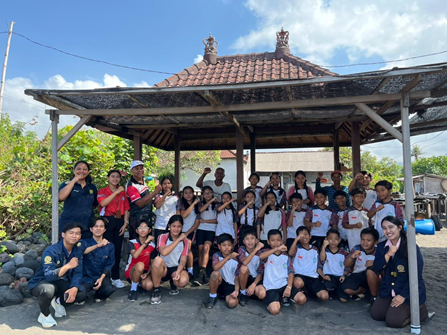
The PPK ORMAWA HMIK FK Unud Team Empowers the Coastal Community of Kusamba Village through the "GARAM LAUT" Initiative, Based on Maritime Safety and the *Segara Kerthi* Blue Economy
The Student Organization Capacity Strengthening Program (PPK ORMAWA) team from the Nursing Student Association (HMIK) of the Faculty of Medicine, Udayana University (FK Unud)—under the guidance of Dr. Ns. Ni Made Dian Sulistiowati, S.Kep., M.Kep., Sp.Kep.J.—has officially launched a coastal community empowerment initiative in Kusamba Village, Dawan District, Klungkung Regency, Bali. Through the innovative "GARAM LAUT" program (Integrated Empowered Community Movement), this initiative integrates the health, environmental, economic, and educational sectors, grounded in Blue Economy principles and the local wisdom of *Segara Kerthi*.
A series of strategic interventions was successfully implemented using an educational approach and hands-on, practical training ("learning by doing"). Regarding maritime safety for fishermen, the team provided Basic Life Support (BLS) training and education on Occupational Health and Safety (K3); distributed Personal Protective Equipment (PPE)—including life jackets, ring buoys, and first aid kits; and formulated Standard Operating Procedures (SOPs) for maritime safety for the village.
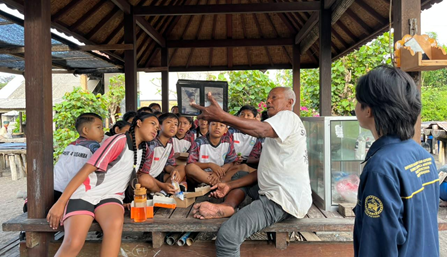
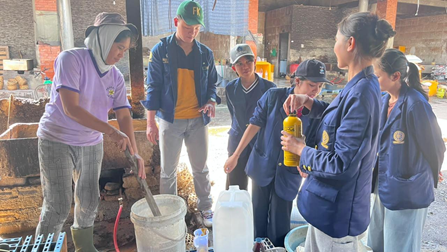
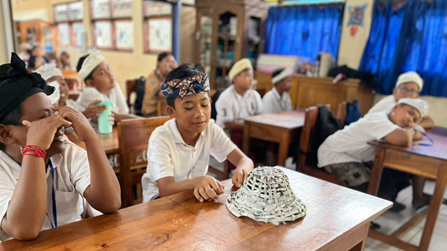
Meanwhile, in the environmental and economic sectors, groups of fish processors and fishermen's families were equipped with skills to convert liquid waste from the fish-boiling process into zero-waste Liquid Organic Fertilizer (POC). They also received guidance on hygienic packaging for processed fish using vacuum sealer technology and training in creating value-added food products, specifically *Tongkol* (mackerel tuna) floss (*abon*) and *Sambal Be Awan Gledek* (spicy fish chili paste). Furthermore, the empowerment activities were expanded to include raising awareness about waste sorting among schoolchildren and providing education on traditional salt production in Kusamba. The implementation of the GARAM LAUT program successfully met its Key Performance Indicators (KPIs) while making a tangible contribution to achieving the Sustainable Development Goals (SDGs).
Regarding SDG 3 (Good Health and Well-being), active community engagement strengthened the capacity of 15 to 20 potential fishing families, directly improving the health and safety of the coastal community. For SDG 8 (Decent Work and Economic Growth), the formation of three new community groups—focused on waste management, food processing, and disaster response—alongside the adoption of modern packaging systems and a village e-commerce platform, drove a 93% increase in fishermen's income relative to the initial target. Meanwhile, regarding SDG 14 (Life Below Water), processing liquid waste from the fish-boiling (*pindang*) process into eco-friendly Liquid Organic Fertilizer (POC) provided concrete support for preserving coastal and marine ecosystems against pollution.
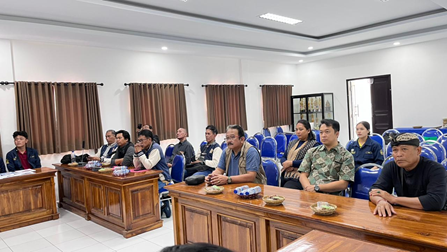
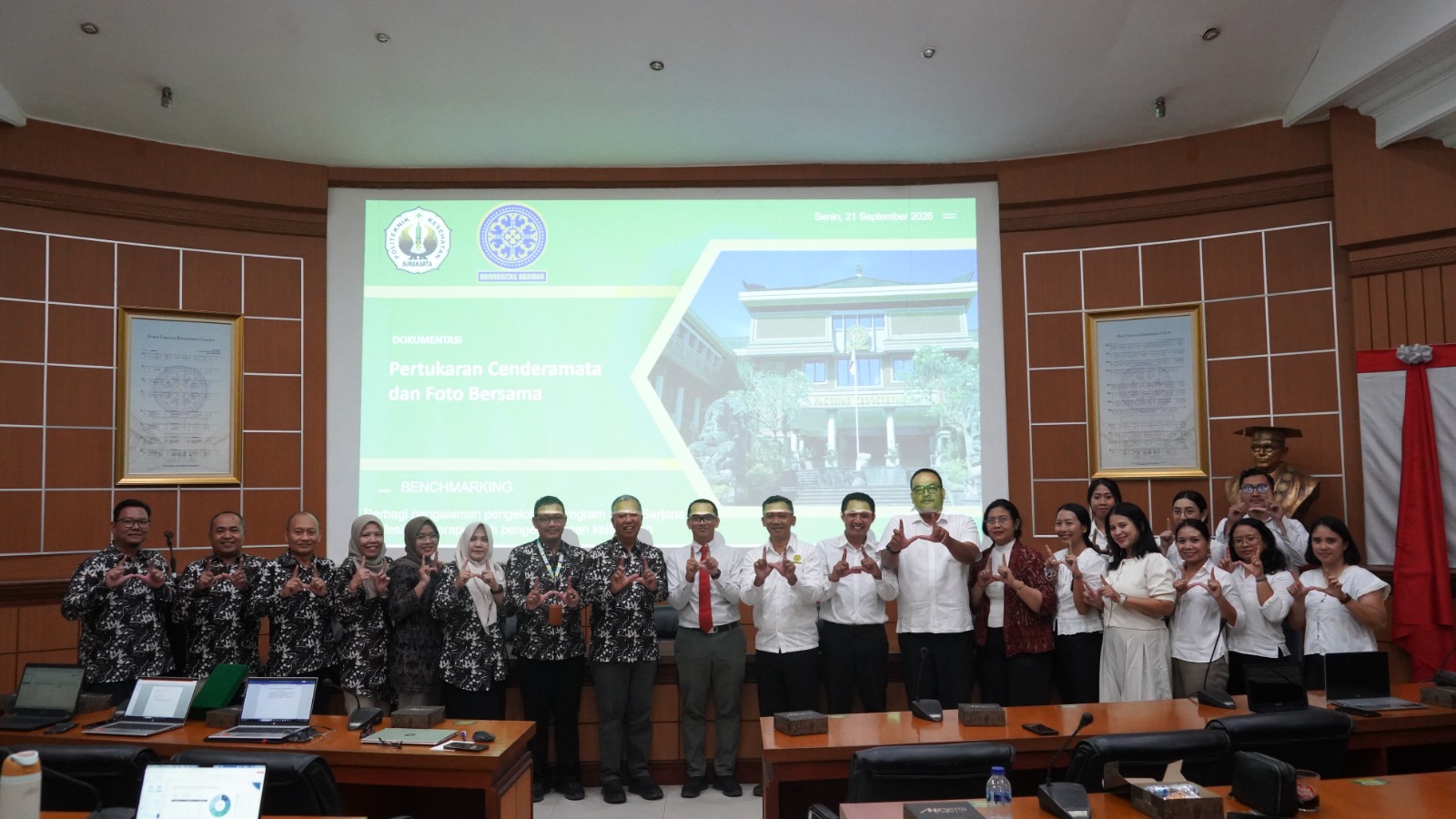
The success and accountability of the program's implementation were directly reviewed during the Implementation Progress Assessment (PKP) session on Wednesday, September 2, 2026. Attendees included the Udayana University Internal Reviewer Team; the Coordinator of the Professional Nursing Program, Dr. Ns. Kadek Eka Swedarma, S.Kep., M.Kes. (representing the Coordinator of the Undergraduate Nursing Program at the Faculty of Medicine, Udayana University); and Kusamba Village officials, who verified the achievement of indicators and the instruments used to measure the program's impact.
This empowerment initiative has yielded various outputs, ranging from flagship physical products to formal documentation. These outputs include flavored *abon tongkol* (skipjack tuna floss), *Sambal Be Awan Gledek* (chili sauce), vacuum-packed *pindang* fish, Liquid Organic Fertilizer (POC), the Kusamba Maritime Village Blueprint, an official decree establishing the Superior Maritime Village institution, a Standard Operating Procedure (SOP) manual for maritime safety and waste management, a village e-commerce platform, official social media channels, educational posters, and activity documentation videos. To ensure the program's benefits are sustained independently and in the long term, all empowerment activities now operate under the auspices of the "GARAM LAUT" Superior Maritime Village Institution, which has been formally ratified via a Village Decree. Guided by a three-year sustainability roadmap, the program focuses on solidifying Standard Operating Procedures (SOPs) and securing business certifications (P-IRT/Halal) in Year 1; establishing an independent coastal emergency response unit and expanding distribution networks to Balinese souvenir shops in Year 2; and ultimately achieving self-sufficiency for the Kusamba Salt Edu-Tourism area, the Village-Owned Enterprise (BUMDes) business unit, and the village's zero-waste processing center by Year 3.
Gallery


UDAYANA UNIVERSITY