 ENG
ENG
 INA
INA
Doctor of Medicine Studies the Potential of Adipose Stem Cell Therapy in Treating Neuropathic Pain
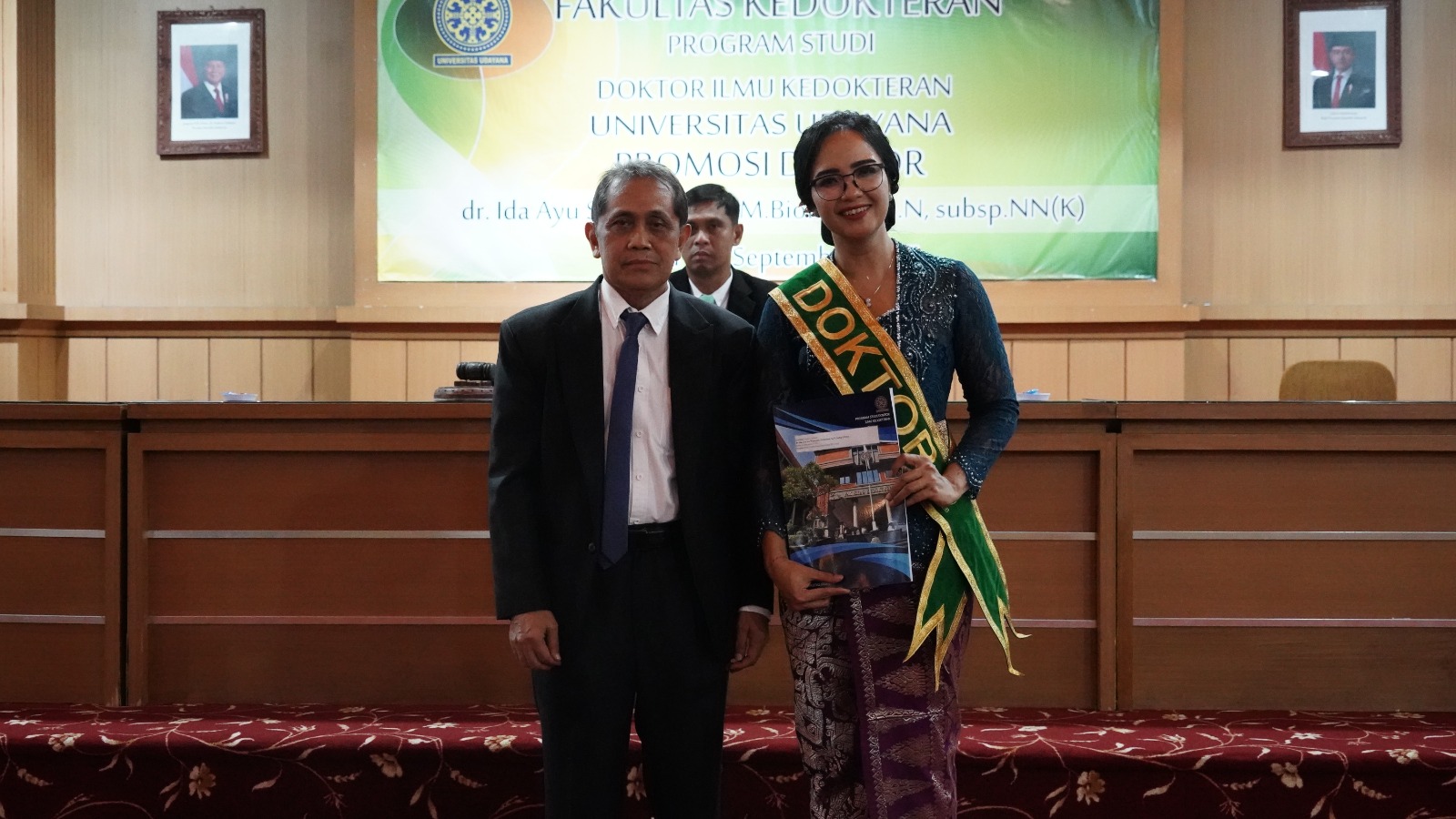
Doctor of Medicine Studies the Potential of Adipose Stem Cell Therapy in Treating Neuropathic Pain
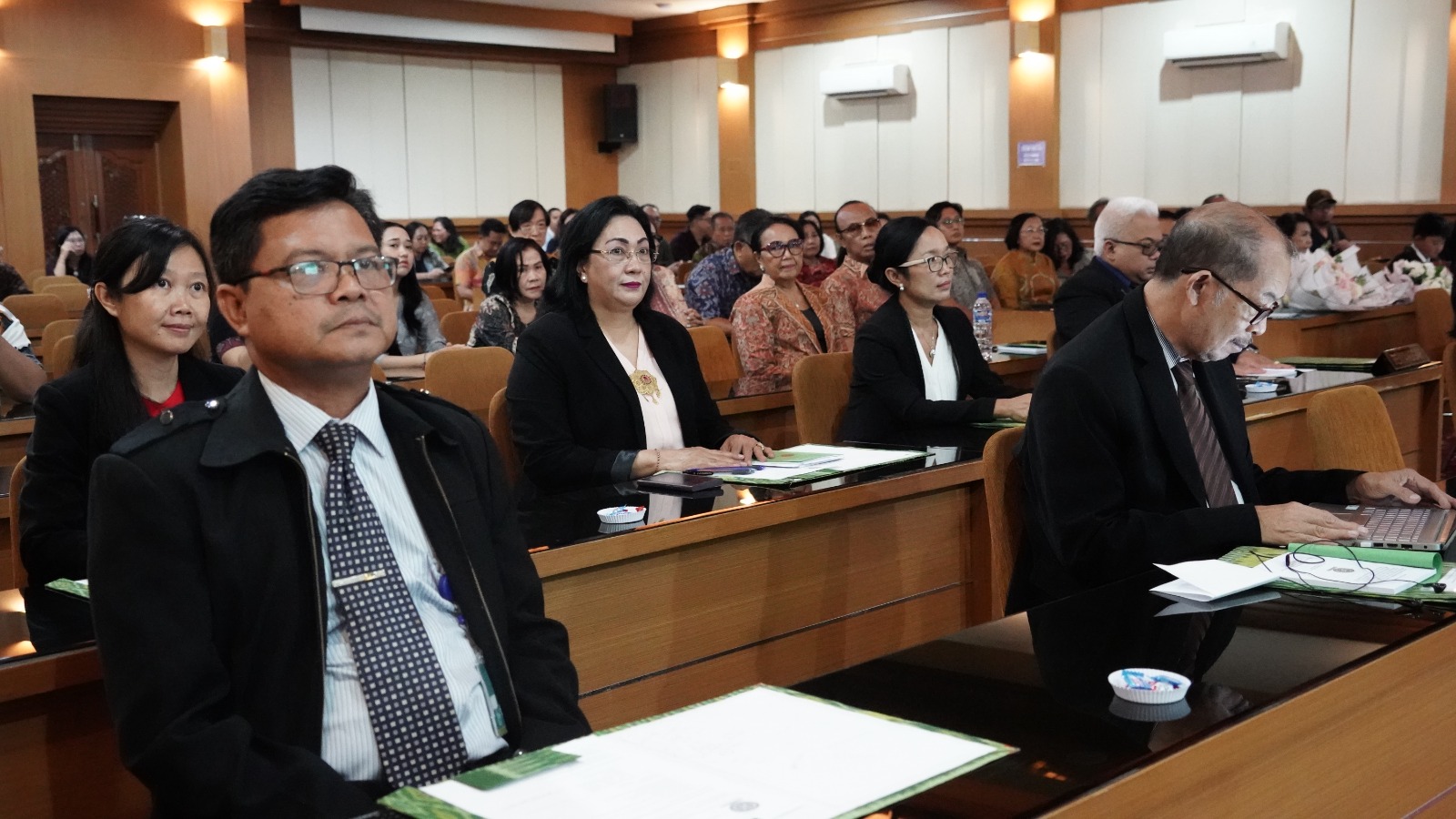
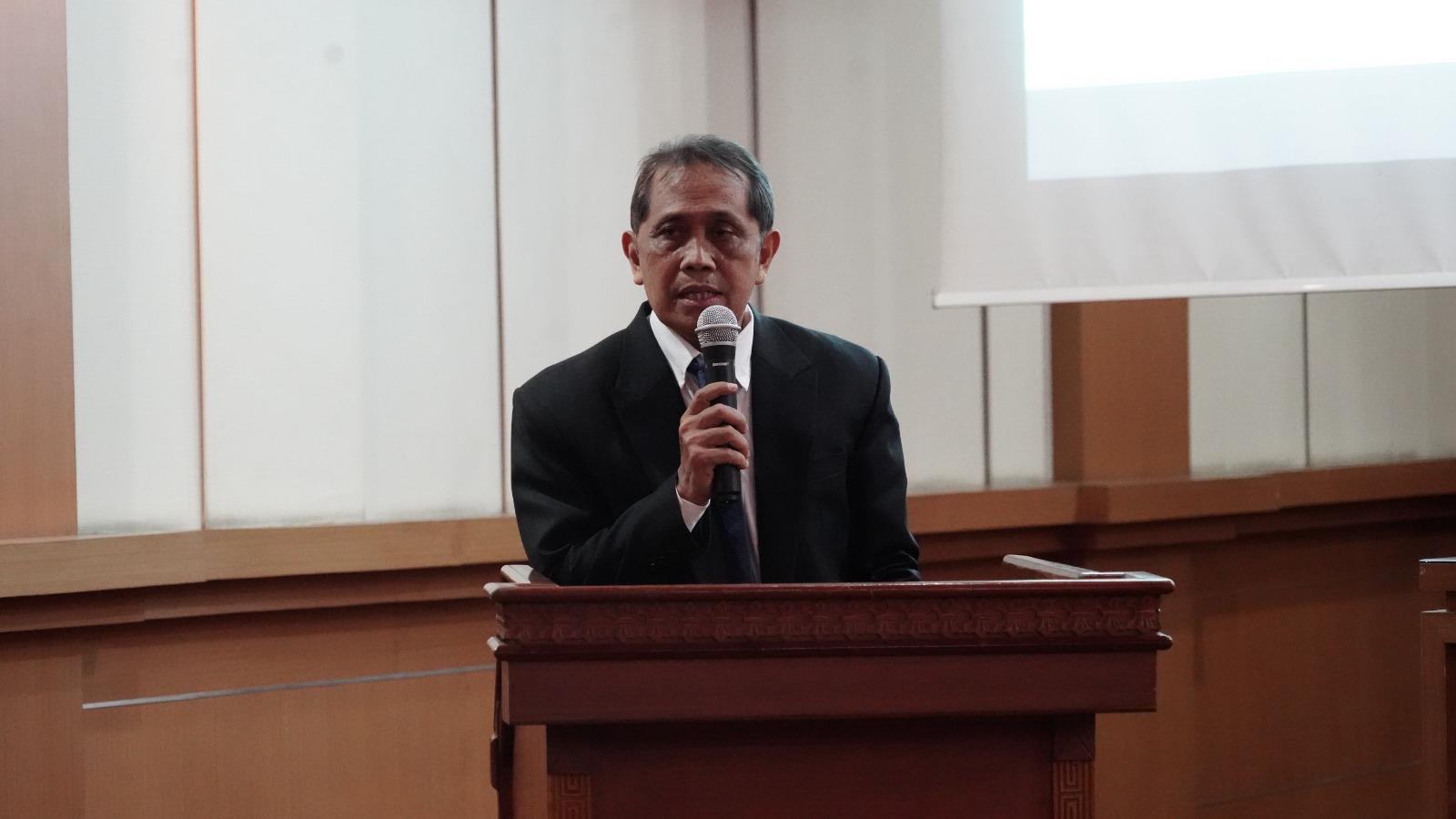
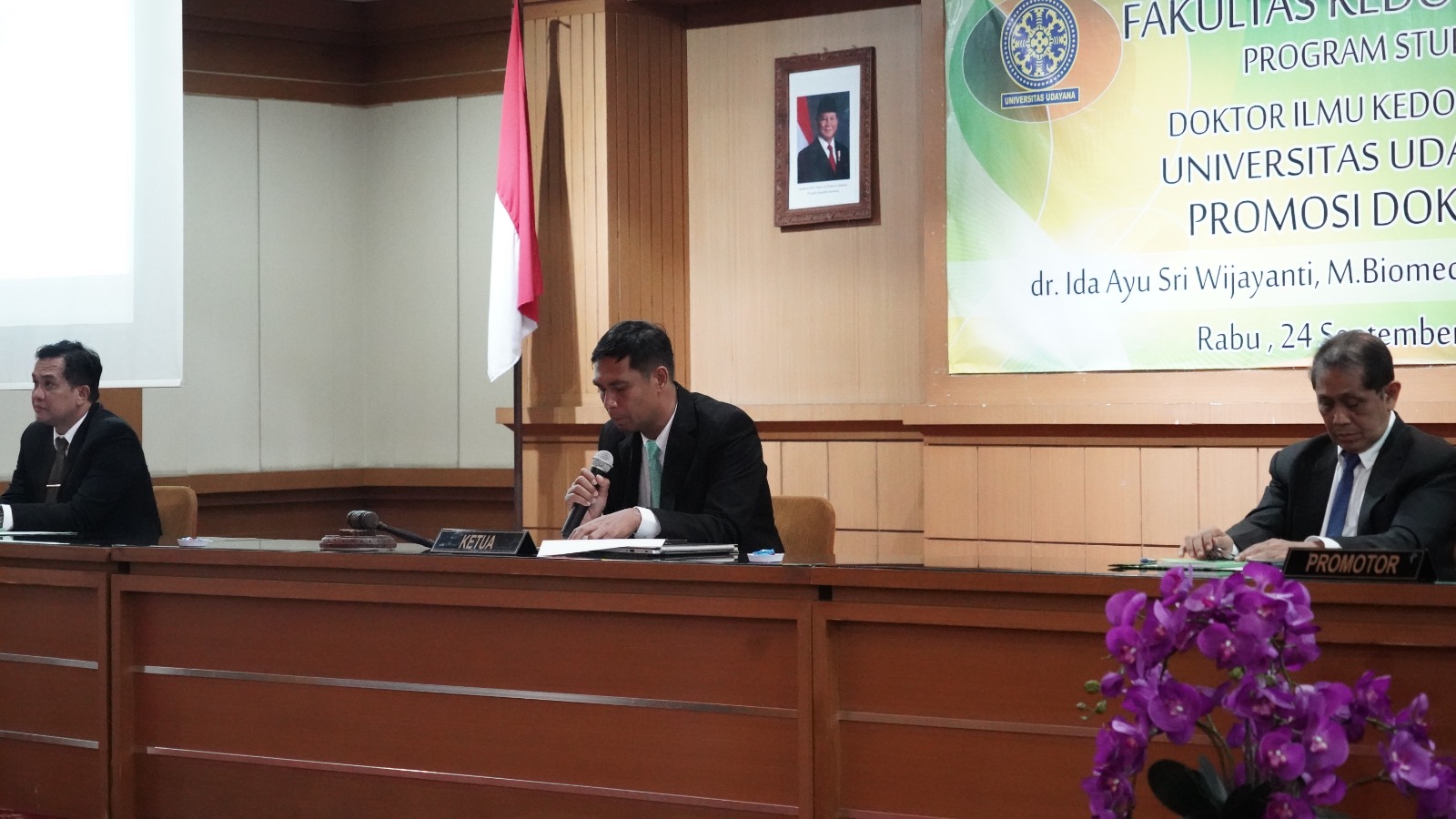
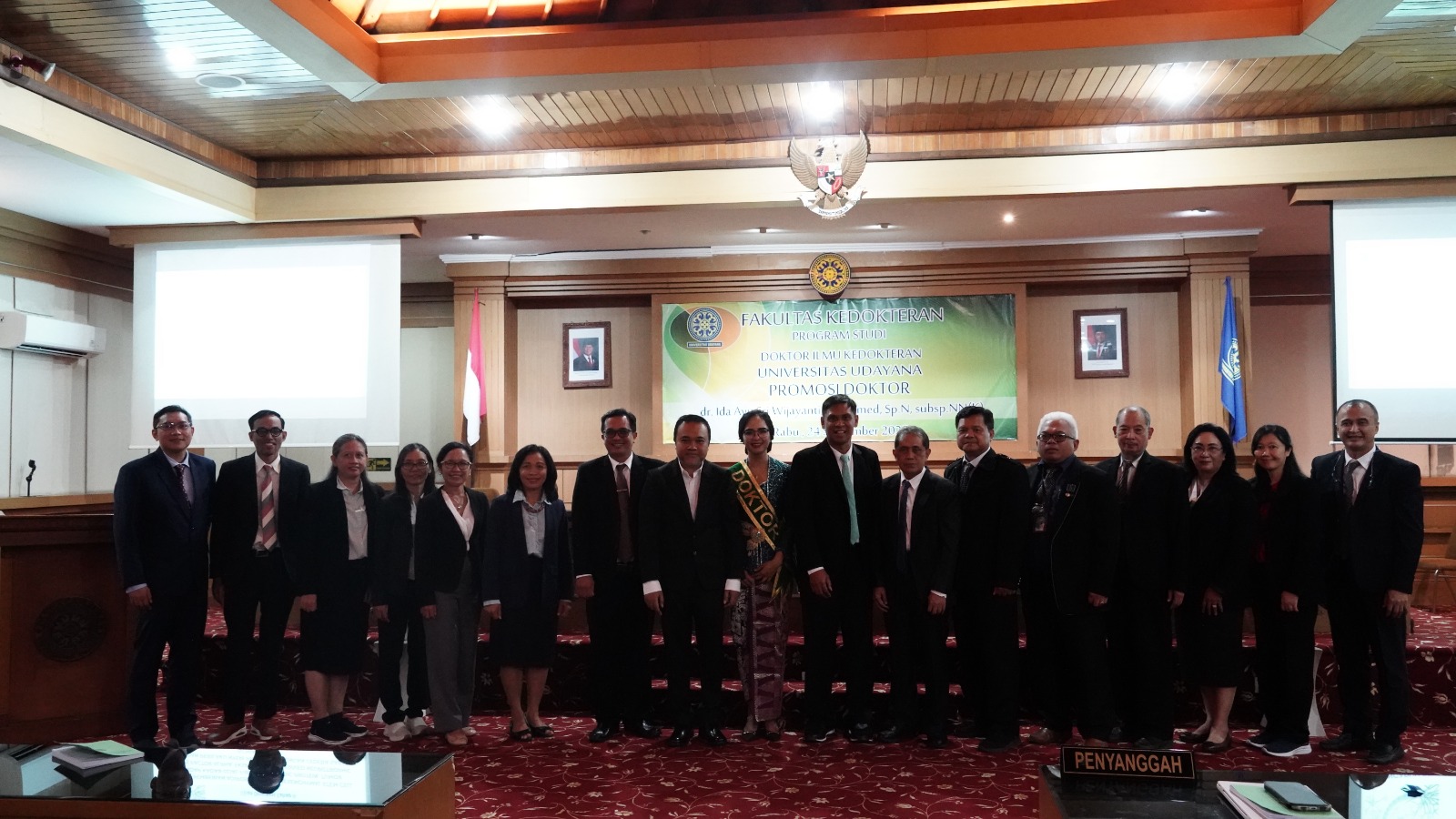
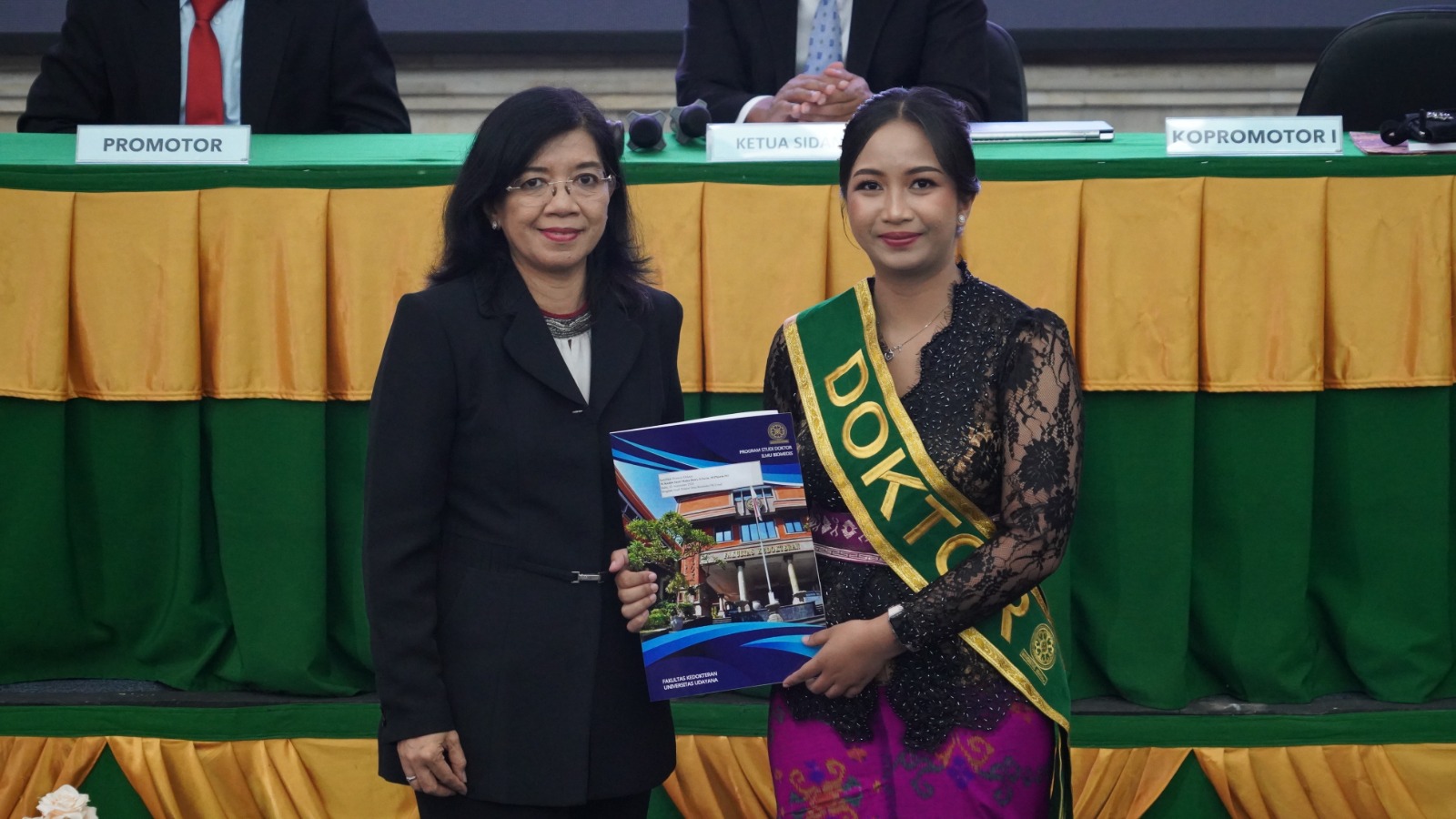
Held in the Postgraduate Hall on the 3rd Floor of the Postgraduate Building, Udayana University, the Doctor of Medicine Study Program, Faculty of Medicine, Udayana University, held an open doctoral promotion examination with candidate Dr. Ida Ayu Sri Wijayanti, M.Biomed, Sp.N., Subsp.NN(K)., entitled "The Effect of Adipose-Derived Mesenchymal Stem Cell Administration on Glial Fibrillary Acidic Protein Levels, Tumor Necrosis Factor Alpha, Glial-Derived Neurotrophic Factor Expression, and Neuropathic Pain Behavior in Mice with Sciatic Nerve Injury." (September 24, 2025)
Neuropathic pain resulting from damage to the nervous system can be persistent and intractable. However, current management strategies are limited and have not yielded satisfactory results. Cell therapy is an innovative approach in the field of neuronal regeneration. This study aimed to assess the effect of Adipose-Derived Mesenchymal Stem Cells (ADMSCs) on neuroinflammatory modulation mechanisms through the activation of microglia and astrocytes after somatosensory system damage and to evaluate the incidence of neuropathic pain in an animal model using rats with sciatic nerve injury.
The study used a randomized, post-test-only control group design. Thirty male Wistar rats were divided into treatment and control groups. The sciatic nerve injury model was created using a crush injury method. The treatment group received ADMSCs injection, while the control group received saline solution. GFAP, TNF-α, and GDNF expression levels were measured using ELISA and immunohistochemistry, while pain behavior was evaluated using mechanical allodynia, heat hyperalgesia, and cold allodynia tests on days 3, 7, and 14 post-injury.
The results showed that the mean serum GFAP levels in the Control group increased significantly on day 14 compared to day 3 (350.6 pg/mL±22.65 vs 250 pg/mL±15.68, p=0.005) and in the Treatment group, there was a significant decrease in GFAP levels on day 14 compared to days 3 and 7 (212.4 pg/mL±11.72 vs 277.2 pg/mL ±6.98 vs 326.4 pg/mL±26.90, p=0.002). TNF-α levels in the sciatic nerve in the Treatment group decreased significantly from day 3 to day 7 (329.20 pg/mL ± 10.78 vs 280.80 pg/mL ± 14.23, p = 0.048) while the control group remained stable at 365.60 pg/mL ± 4.61–374.80 pg/mL ± 9.41, with differences in TNF-α levels between the Control and Treatment groups at all measurement times being statistically significant. Mean GDNF expression in the spinal cord increased significantly in the treatment group from 7.60 ± 0.25 (day 3) to 11.20 ± 0.37 (day 14), p < 0.05; higher than the control group, which experienced an increase from 3.40 ± 0.25 to 6.60 ± 0.25, with a p-value < 0.05. Mechanical allodynia and heat hyperalgesia showed milder symptoms in the treatment group compared to the control group, but the cold allodynia response was inconsistent.
Conclusion: The administration of ADMSCs proved effective in reducing GFAP and TNF-α levels, as well as increasing GDNF expression, contributing to the improvement of neuropathic pain behaviors, namely mechanical allodynia and heat hyperalgesia. These findings demonstrate the potential of ADMSCs as an innovative therapy for neuropathic pain caused by sciatic nerve injury.
This examination was led by the Dean of the Faculty of Medicine, Udayana University, Prof. Dr. dr. I Gede Eka Wiratnaya, Sp.OT., Subsp.Onk.Ort.R(K)., with the examination team:
1. Prof. Dr. dr. I Made Oka Adnyana, Sp.S(K) (Promoter)
2.Dr. Dr. I Putu Eka Widyadharma, M.Sc., Sp.S(K) (Copromoter I)
3. Prof. Dr. Dr. I Gede Eka Wiratnaya, Sp.OT., Subsp.Onk.Ort.R(K) (Copromotor II)
4. Prof. drh. I Nyoman Mantik Astawa, Ph.D
5. Prof. Dr. Dr. Tjokorda Gde Bagus Mahadewa, M.Kes., Sp.BS (K)Spinal, FICS, FINSS.
6. Prof. Dr. Dr. Sianny Herawati, Sp.PK, Subsp.BDKT(K), Subsp.NR(K)
7. Prof. Dr. Dr. A A. Wiradewi Lestari, Sp.PK, Subsp.BDKT(K), Subsp KV(K)
8.Dr. Dr. A A. Ayu Putri Laksmidewi, Sp.S (K)
9. Dr. dr. Luh Putu Ratna Sundari, M.Biomed
10. Dr. dr. I Wayan Niryana, M.Kes., Sp.BS(K)
By academic invitation:
1. Dr. dr. Ni Putu Sriwidyani, Sp.PA., Subsp.S.M.(K)
2. Dr. Agus Eka Darwinata, S.Ked., Ph.D.
3. Dr. dr. Agus Roy Rusly Hariantana Hamid, Sp.BP-RE(K)
4. Dr. dr. Ni Made Susilawathi, Sp.S(K).
5. Dr. dr. I Gde Sastra Winata, M.Biomed., Sp.OG., Subsp.Onk
In this exam, Dr. dr. Ida Ayu Sri Wijayanti, M.Biomed, Sp.N., Subsp.NN(K) was declared to have graduated as the 474th Doctoral Graduate of the Doctoral Program in Medical Sciences, Faculty of Medicine, Udayana University with the predicate Very Satisfactory
Gallery


UDAYANA UNIVERSITY