 ENG
ENG
 INA
INA
Doctoral Research in Medicine Reveals the Potential of Purple Sweet Potatoes in Reducing the Risk of Enterocolitis in Hirschsprung's Disease
Doctoral Research in Medicine Reveals the Potential of Purple Sweet Potatoes in Reducing the Risk of Enterocolitis in Hirschsprung's Disease
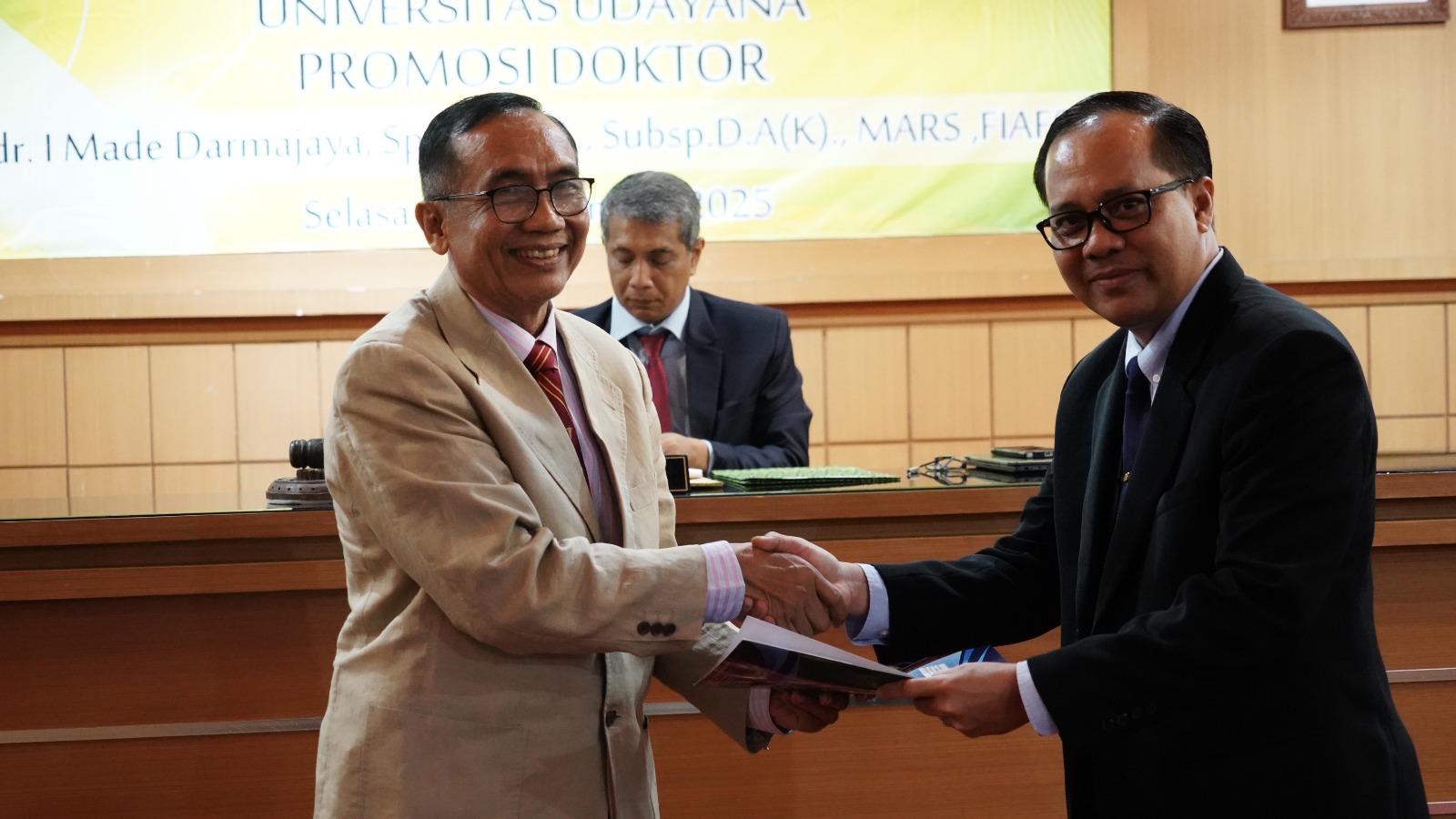
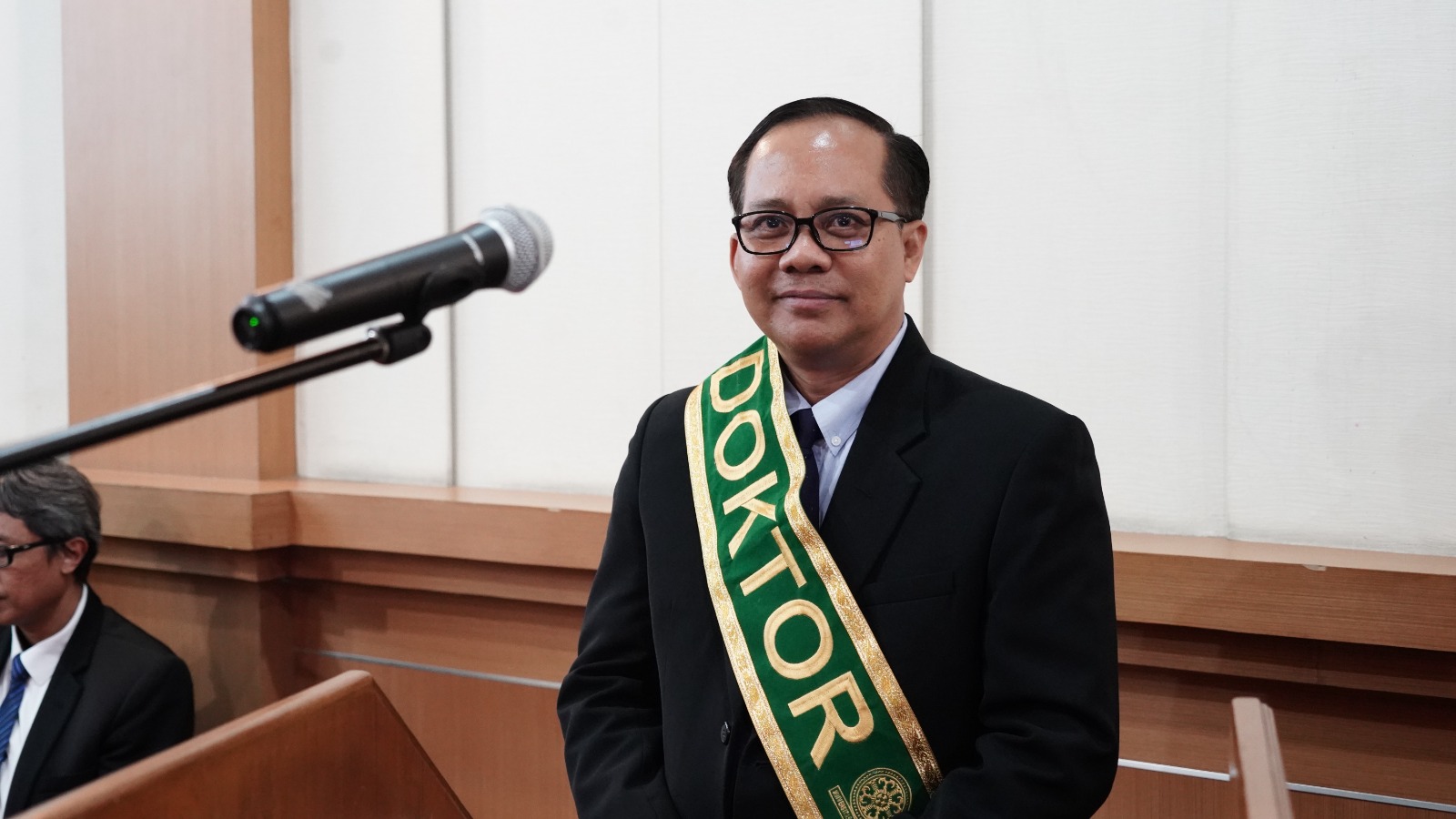
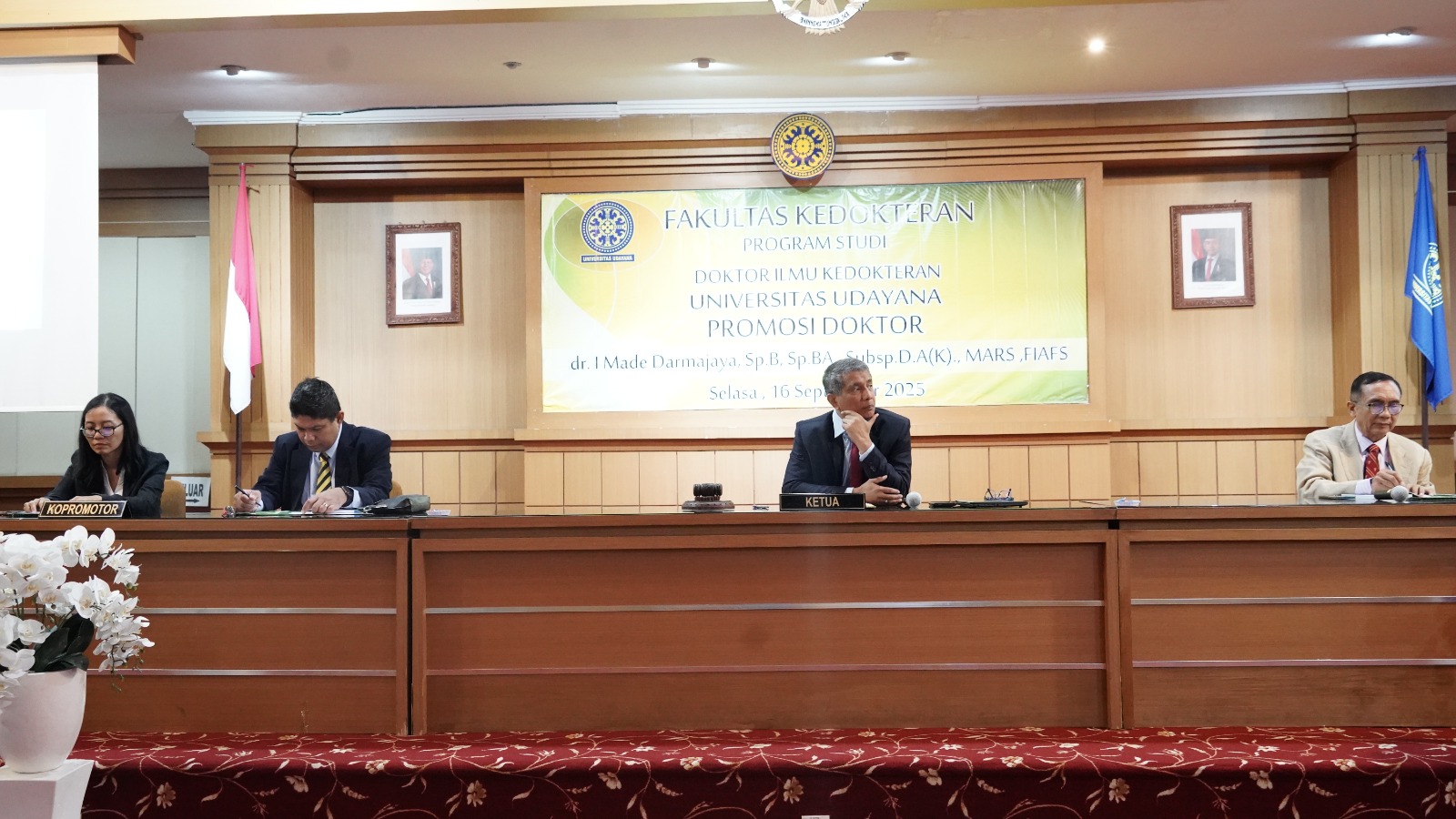
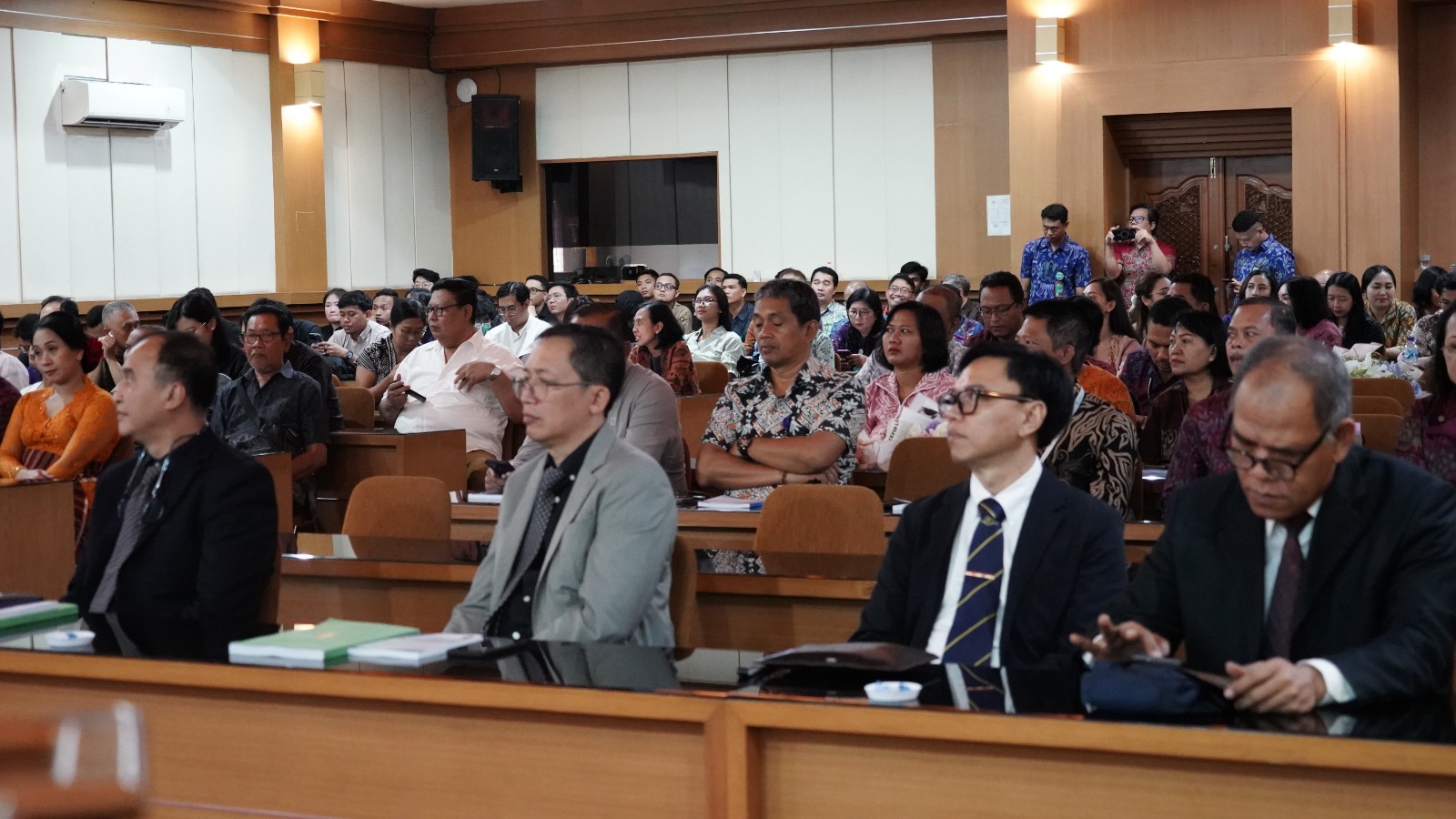
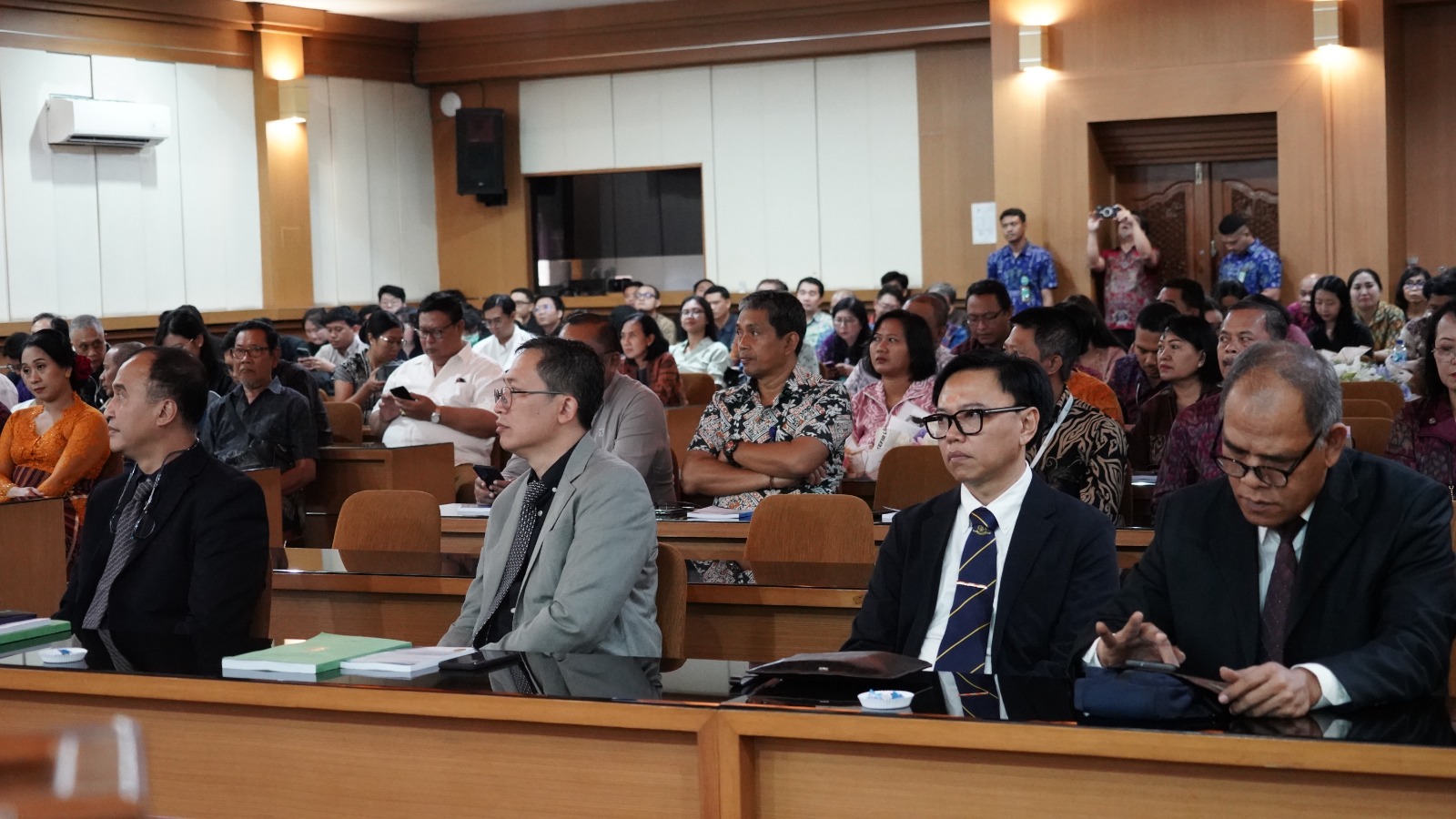
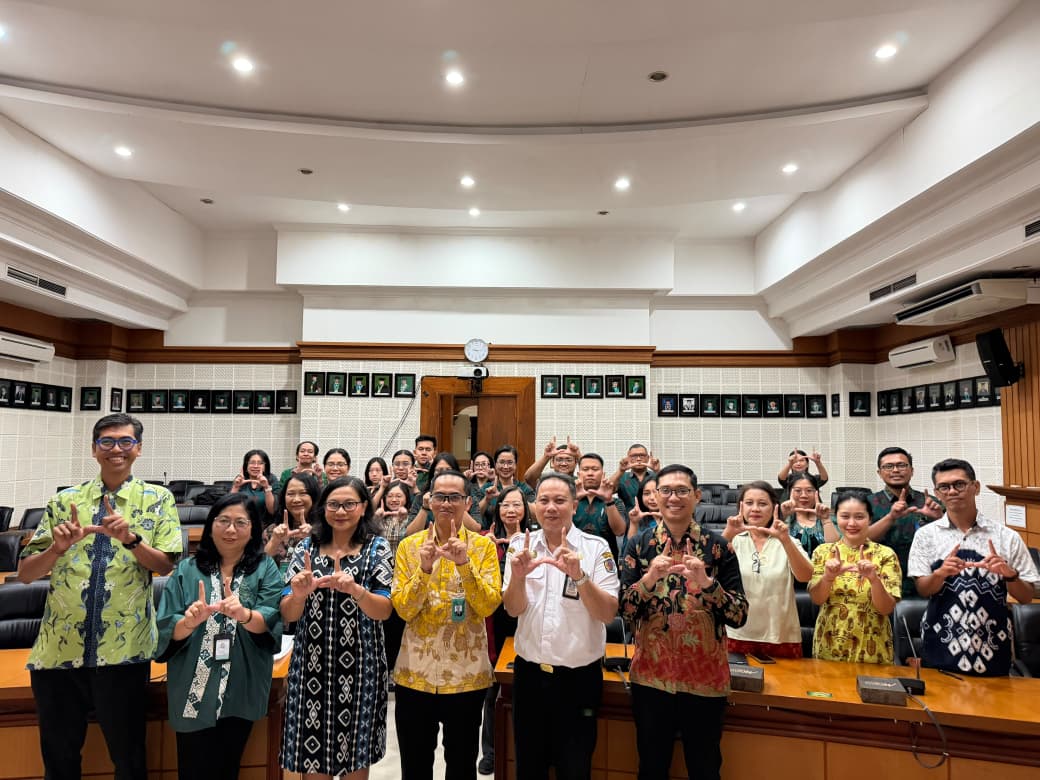
Held in the Postgraduate Hall on the 3rd Floor of the Postgraduate Building, Udayana University, the Doctoral Program in Medicine, Faculty of Medicine, Udayana University, held an open doctoral promotion examination with candidate Dr. I Made Darmajaya, Sp.B., Sp.BA., Subsp.D.A(K)., MARS, F.I.A.F.S., entitled "The Effect of Purple Sweet Potato Extract on Tumor Necrosis Factor Alpha Levels, Interleukin-10 Levels, Malondialdehyde Levels, and the Degree of Intestinal Epithelial Damage in Rattus Novergicus with Hirschsprung-Associated Enterocolitis." (September 16, 2025)
Hirschsprung-associated enterocolitis (HAEC) is a serious complication of Hirschsprung's disease that involves inflammation and oxidative stress. Purple sweet potato extract is rich in anthocyanins and flavonoids, which have anti-inflammatory and antioxidant properties. This study aimed to evaluate the effect of purple sweet potato extract on TNF-α, IL-10, and MDA levels, and the degree of intestinal mucosal damage in a HAEC mouse model.
This study used a post-test only control group experimental design. Thirty-eight HAEC mouse models were induced with benzalkonium chloride to induce apoptosis of colonic ganglion cells, simulating Hirschsprung's disease. The 38 mice used in this study were divided into two groups. The treatment group received purple sweet potato extract orally for 8 days, while the control group did not receive purple sweet potato extract. TNF-α, IL-10, and MDA levels were analyzed using ELISA, and intestinal mucosal damage was evaluated histopathologically.
This study found that TNF-α (β = -0.509; p = 0.000) and MDA (β = -0.518; p = 0.001) levels were significantly lower, while IL-10 levels (β = 0.530; p = 0.002) were significantly higher in the treatment group compared to the control group. The degree of tissue damage was observed to be significantly lower (β = -0.577; p = 0.002) in the treatment group compared to the control group. Path analysis showed that purple sweet potato extract directly affected differences in TNF-α, MDA, IL-10 levels, and the extent of epithelial tissue damage. However, no indirect effects of purple sweet potato extract on the extent of epithelial damage via TNF-α, MDA, and IL-10 were observed.
Therefore, this study concludes that purple sweet potato extract has the potential to effectively reduce TNF-α and MDA levels, IL-10 levels, and inhibit epithelial tissue damage in HAEC model mice. However, further research is needed to identify other variables mediating the effect of purple sweet potato extract in inhibiting colonic epithelial tissue damage, as well as to identify and isolate the active substances involved.
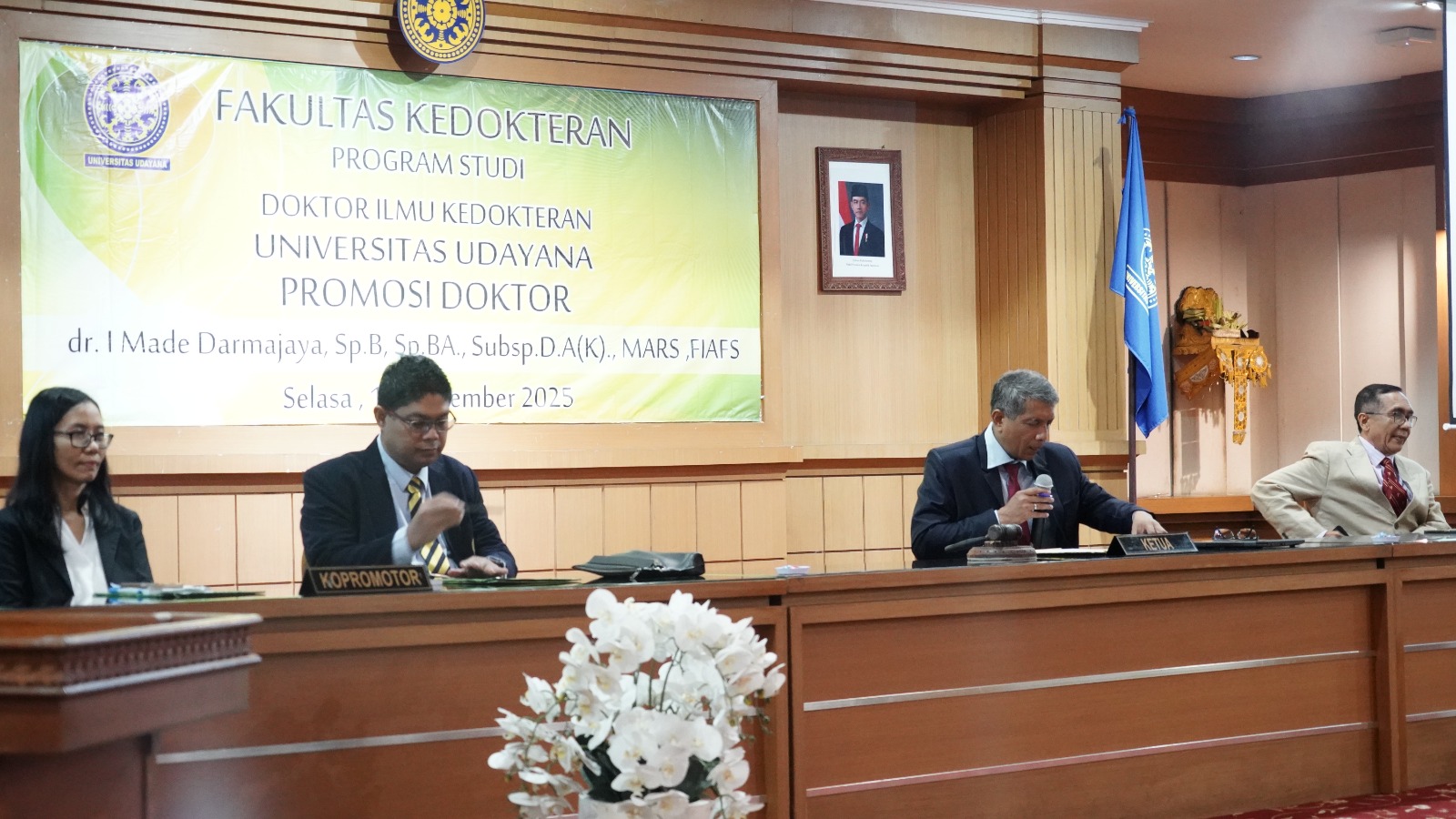
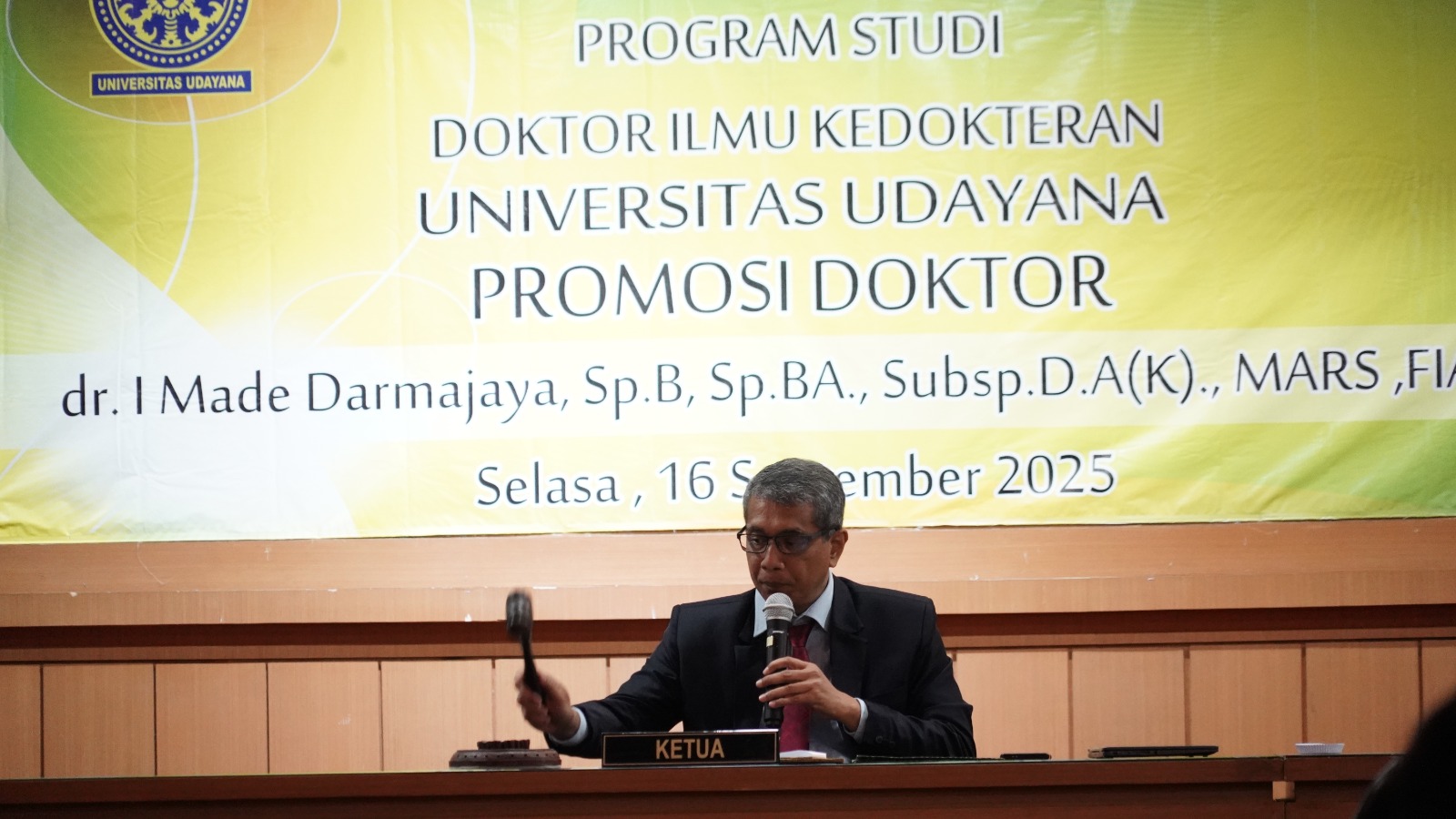
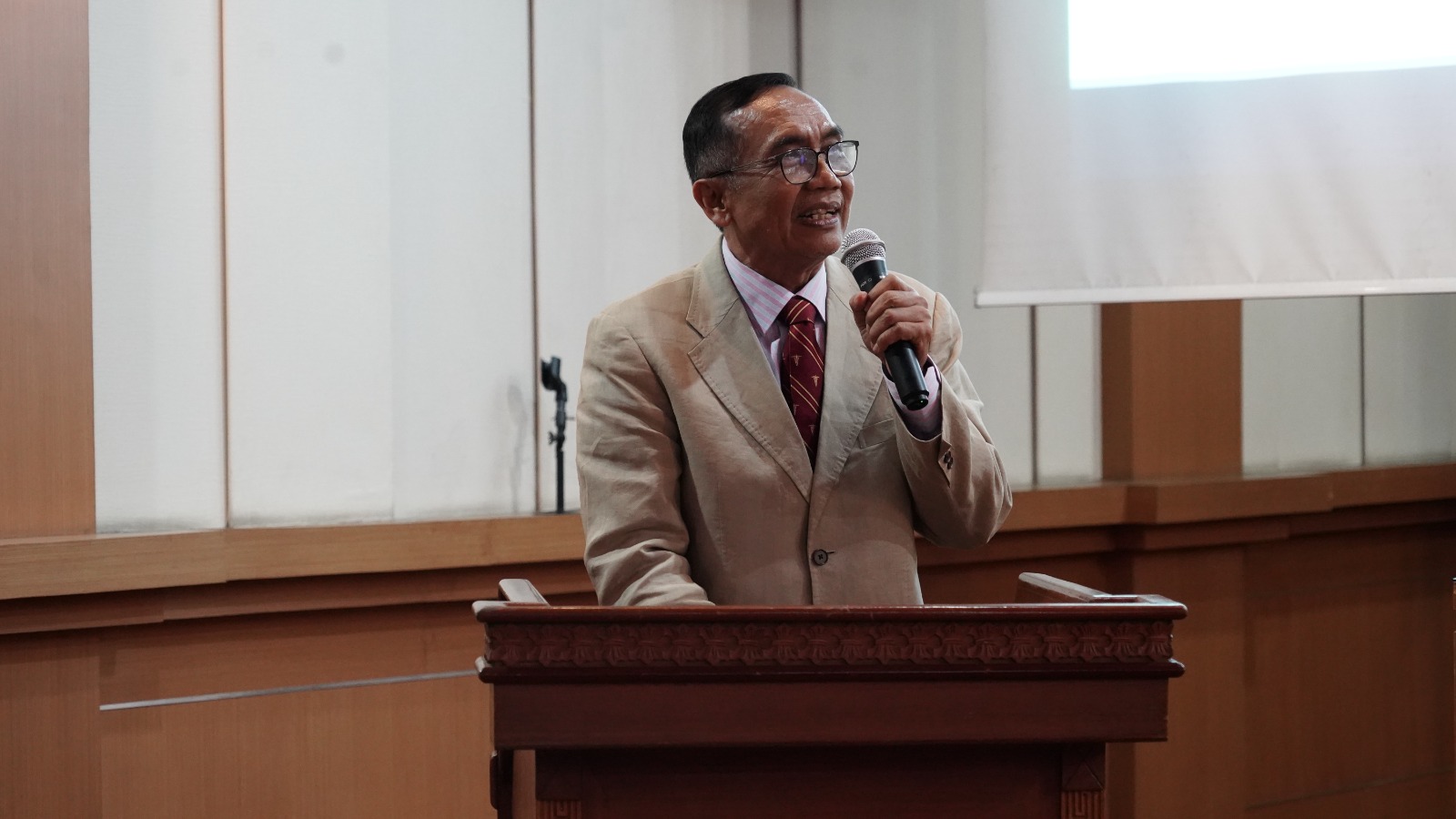
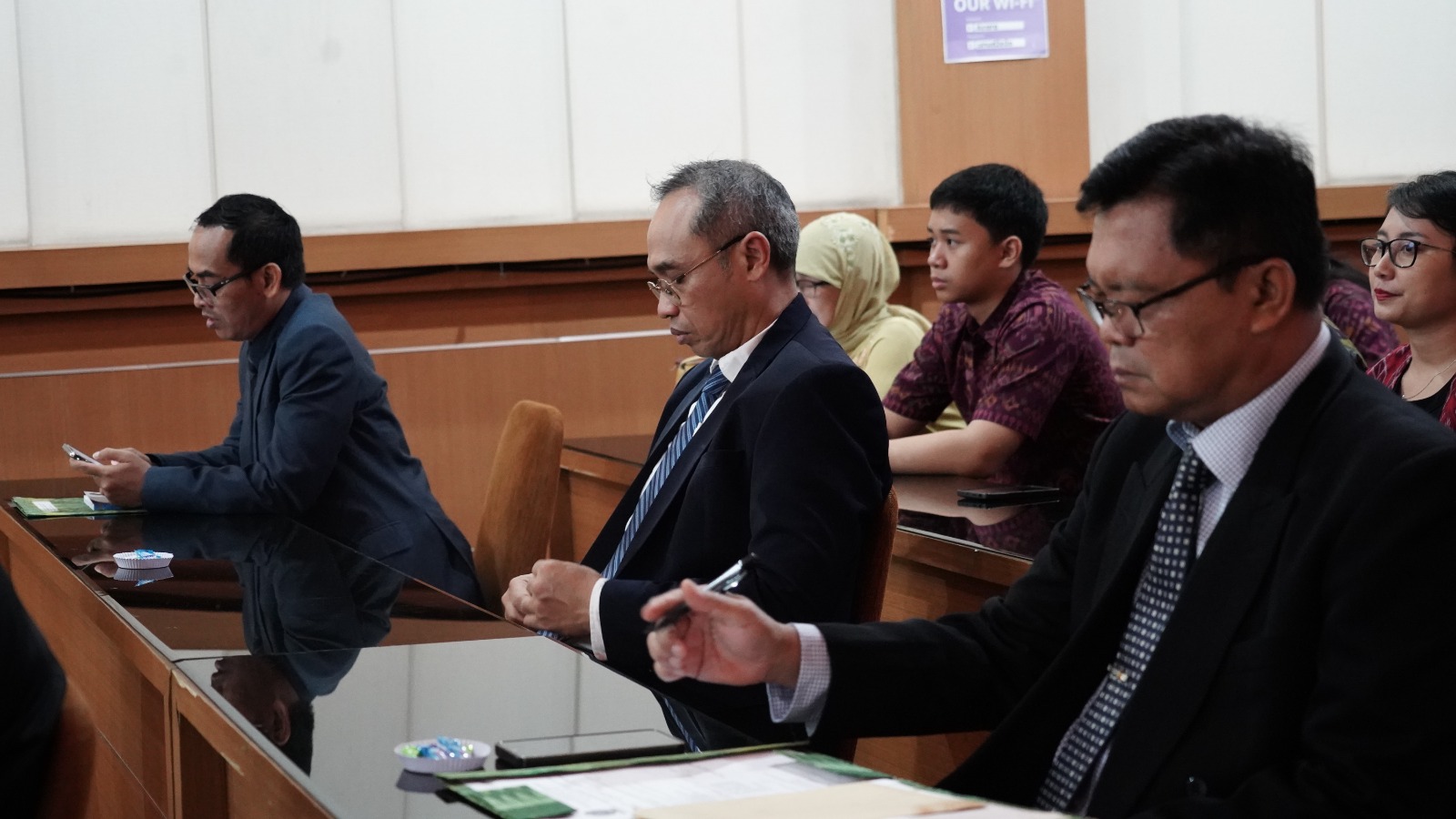
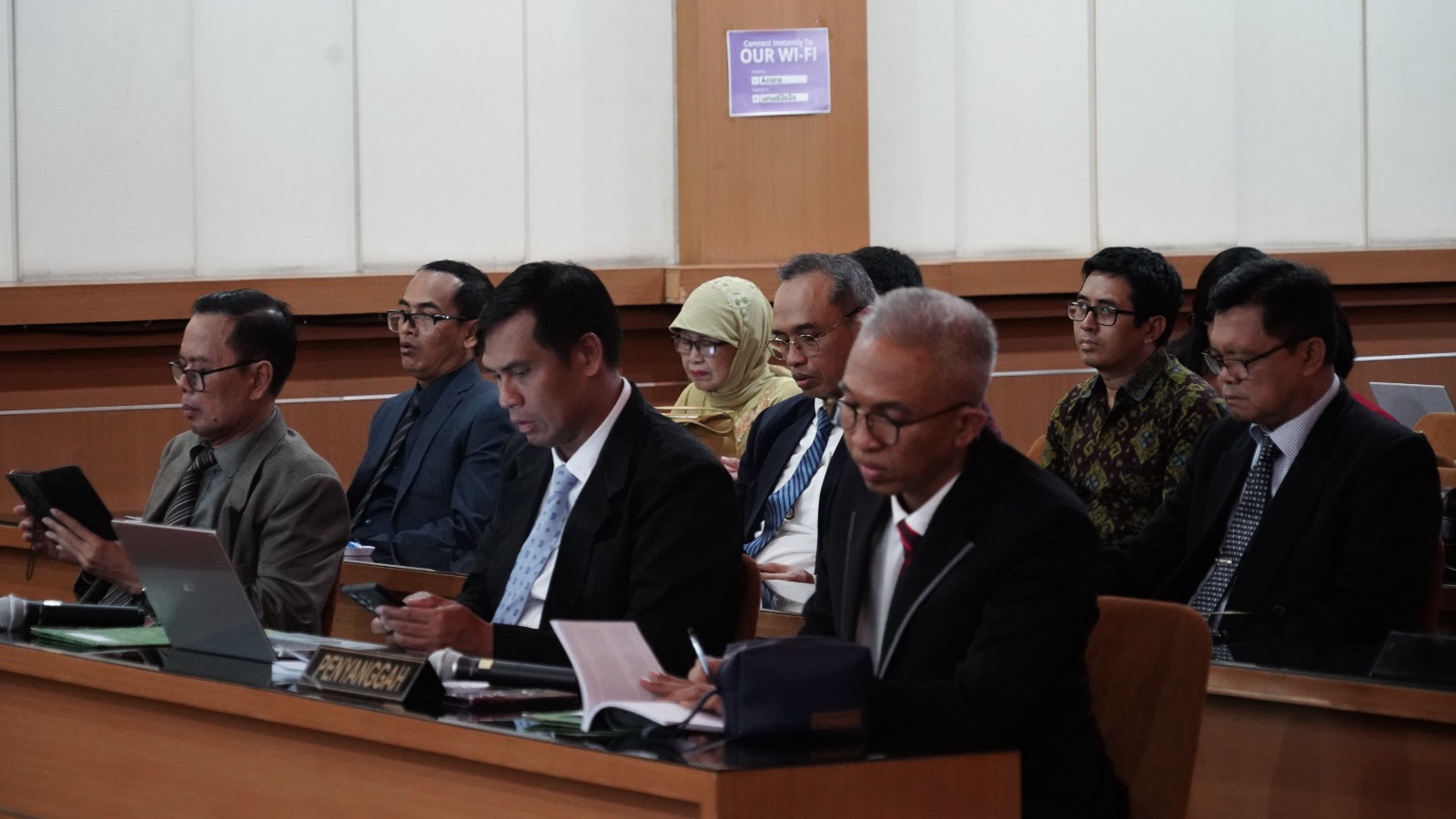
This examination was led by the Dean of the Faculty of Medicine, Udayana University, Prof. Dr. dr. Komang Januartha Putra Pinatih, M.Kes., with the following examining team:
1. Prof. Dr. dr. Sri Maliawan, Sp.BS., Subsp.N.Ped (Promoter)
2. Prof. Dr. dr. Putu Anda Tusta Adiputra, Sp.B., Subsp.Onk(K) (Co-promoter I)
3. Dr. dr. Ni Putu Sriwidyani, Sp.PA., Subsp.S.M.(K) (Co-promoter II)
4. Prof. Dr. Dr. I Made Jawi, M. Kes
5. Prof. Dr. I Made Ady Wirawan, MPH., Ph.D.
6. Prof. Dr. Dr. Tjok Gde Agung Senapathi, Sp.An-TI., Subsp.An.R(K)
7. Prof. Dr. Dr. I Made Sudarmaja, M. Kes
8. Prof. Dr. Dr. I Gede Eka Wiratnaya, Sp.OT(K)
9.Dr. Dr. I Wayan Niryana, M.Kes., Sp.BS(K)
10.Dr. Dr. I Made Pande Dwipayana, Sp.PD-KEMD, FINASIM
By academic invitation:
1.Dr. Dr. I Gusti Putu Hendra Sanjaya, Sp.B., Sp.BP-RE., Subsp.LBL(K)
2.Dr. Dr. I Made Mulyawan, Sp.B.Sub., Sp.BD(K)
3. Dr. dr. I Made Gede Widnyana, M.Kes., Sp.An-TI,Subsp.An.R(K)
4. Dr. dr. Made Bramantya Karna, Sp.OT(K)
5. Dr. dr. Agus Roy Rusly Hariantana Hamid, Sp.BP-RE(K)
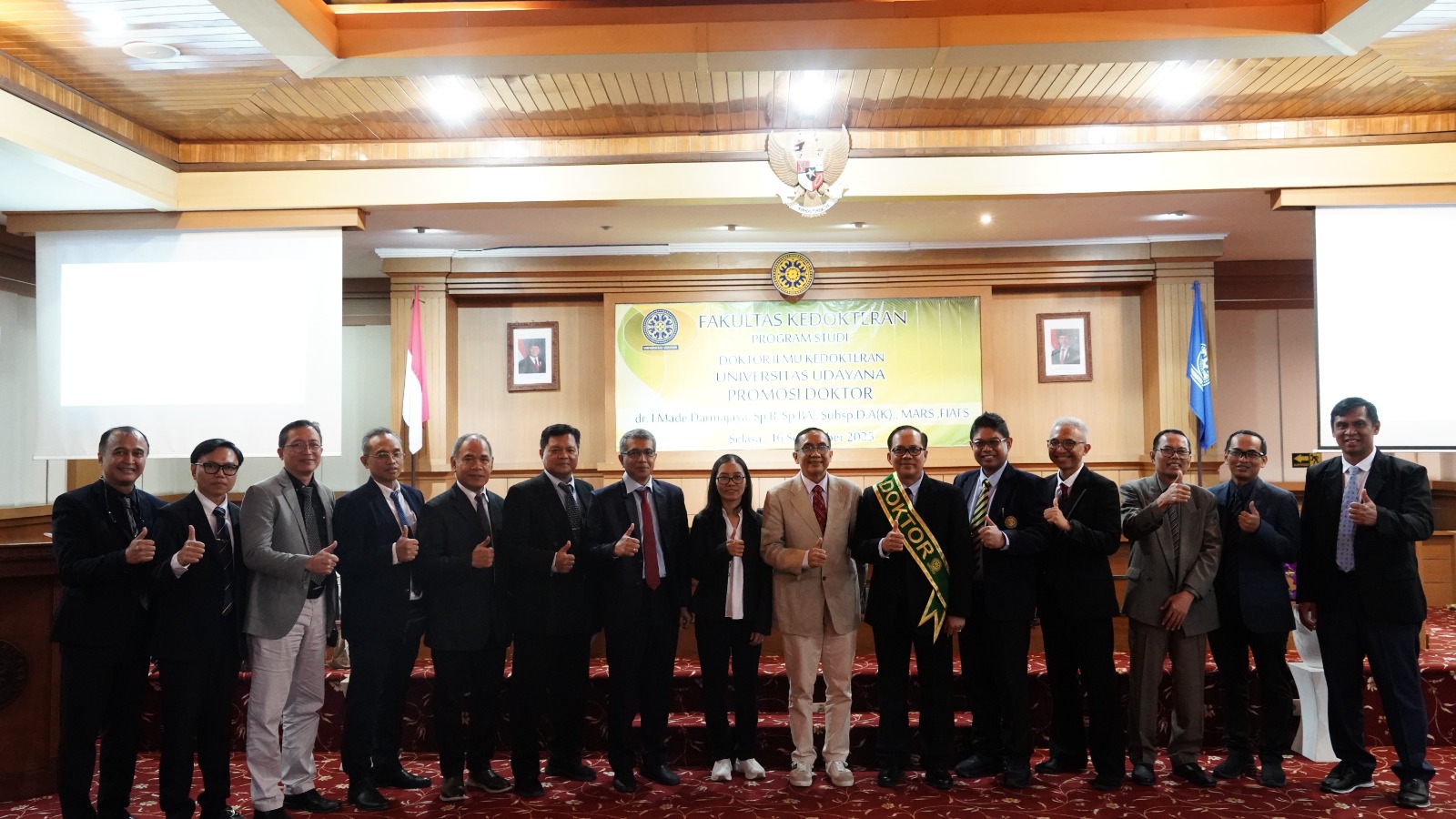
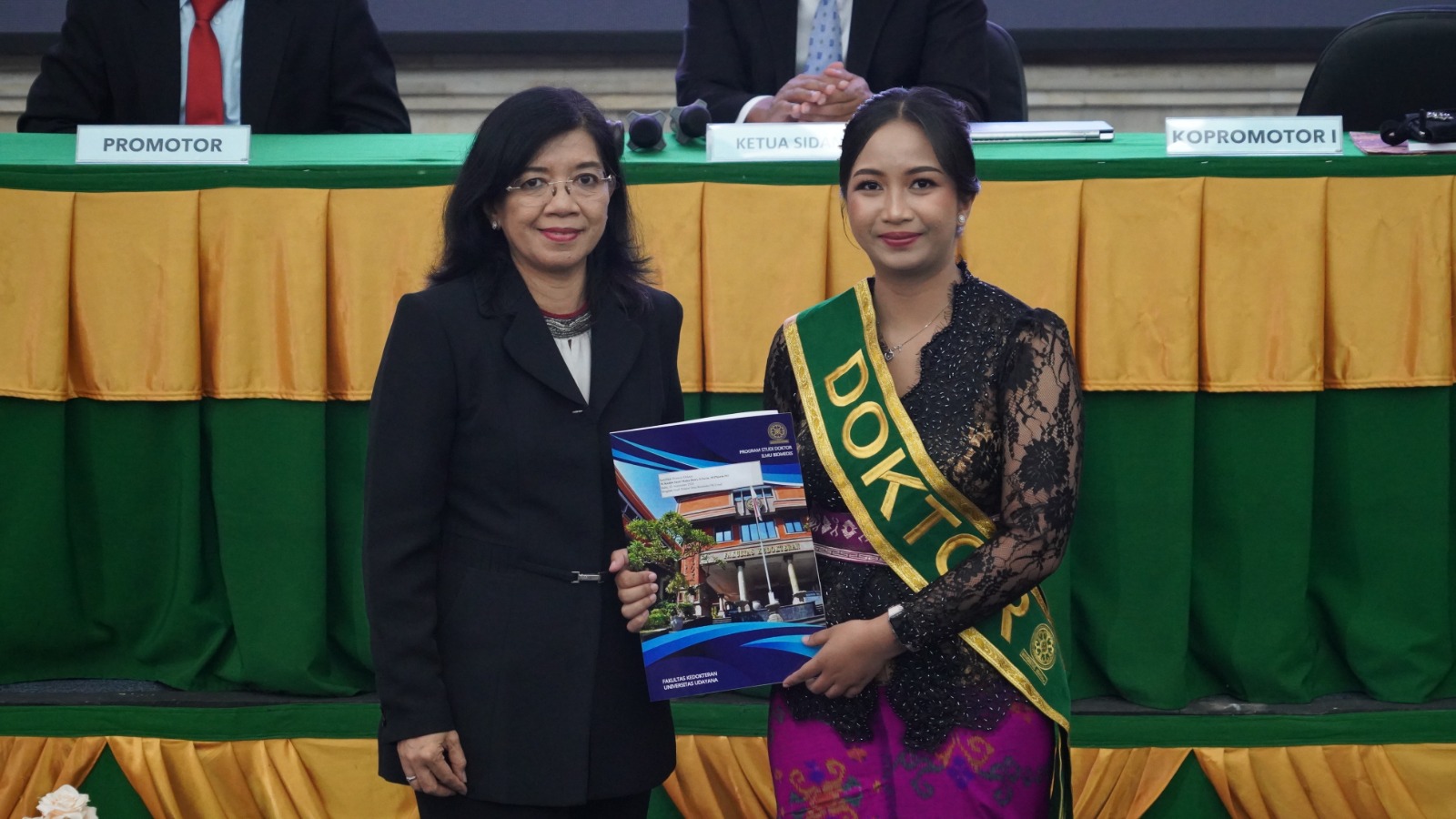
During this examination, Dr. dr. I Made Darmajaya, Sp.B, Sp.BA., Subsp.D.A(K)., MARS., FIAFS., was declared the 473rd Doctoral Graduate of the Doctoral Program in Medical Sciences, Faculty of Medicine, Udayana University, with the distinction of Very Satisfactory.
Gallery

UDAYANA UNIVERSITY