 ENG
ENG
 INA
INA
Online Seminar Discusses the Use of Generative AI in Compiling Systematic Literature Reviews at the Faculty of Medicine, Udayana University
Online Seminar Discusses the Use of Generative AI in Compiling Systematic Literature Reviews at the Faculty of Medicine, Udayana University
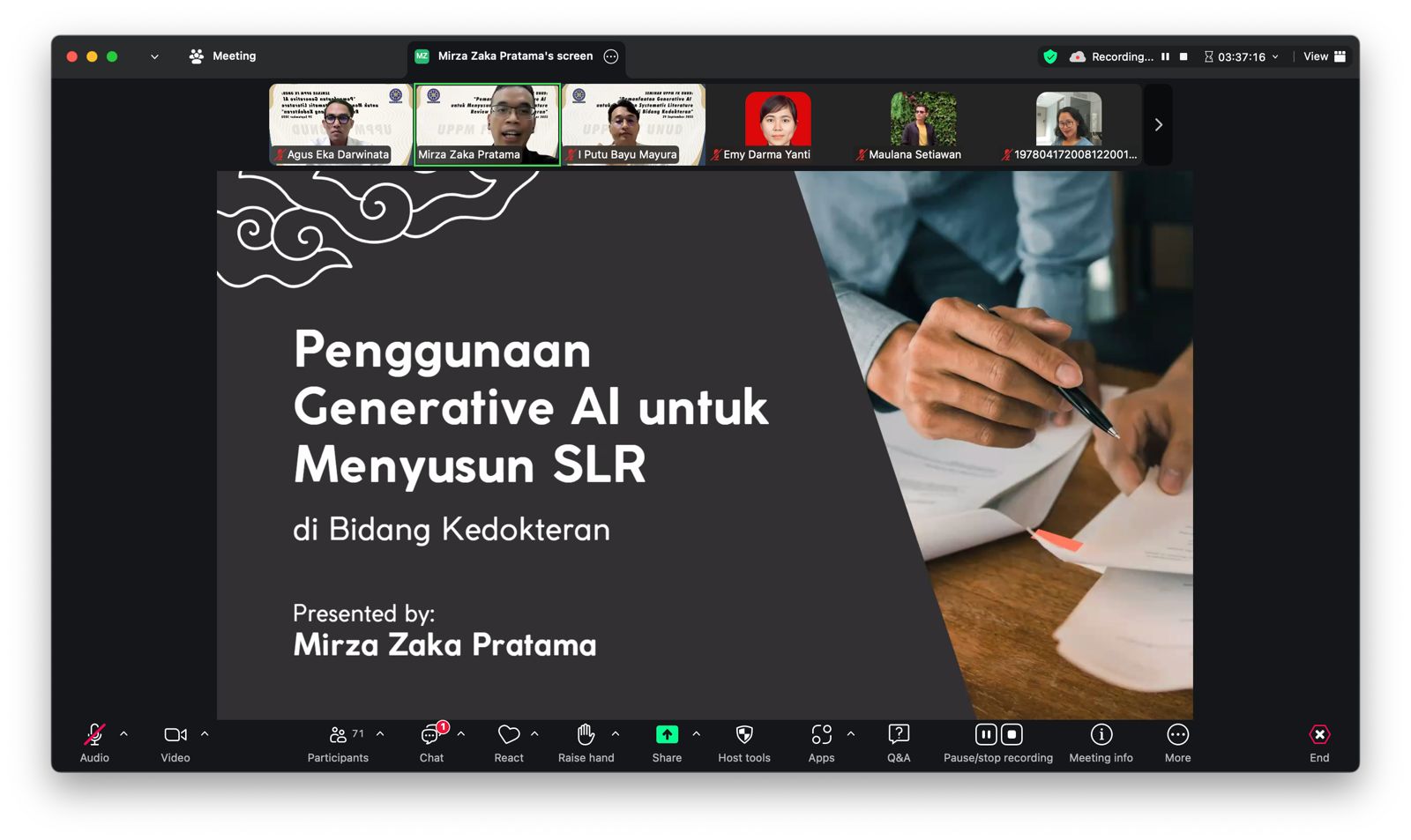
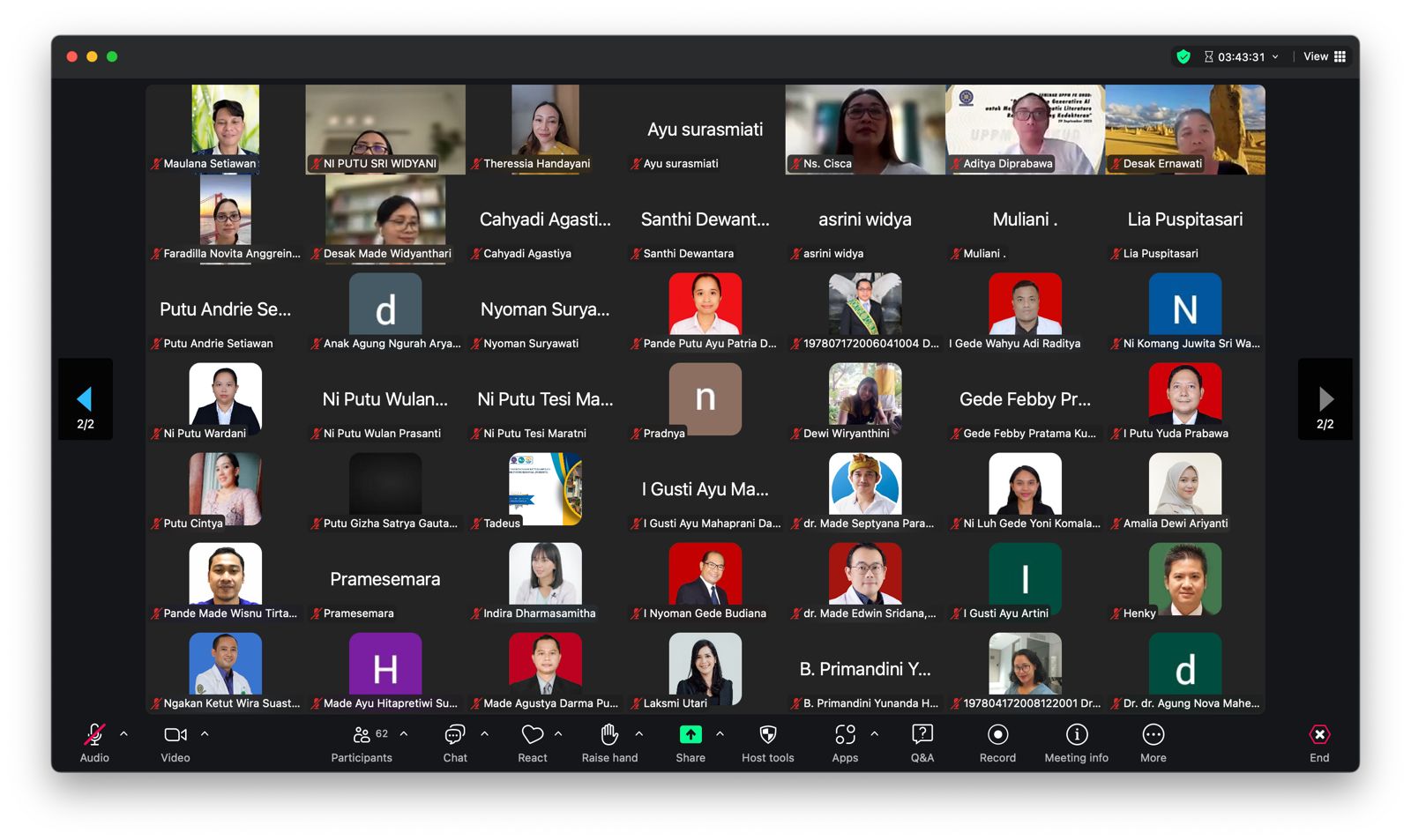
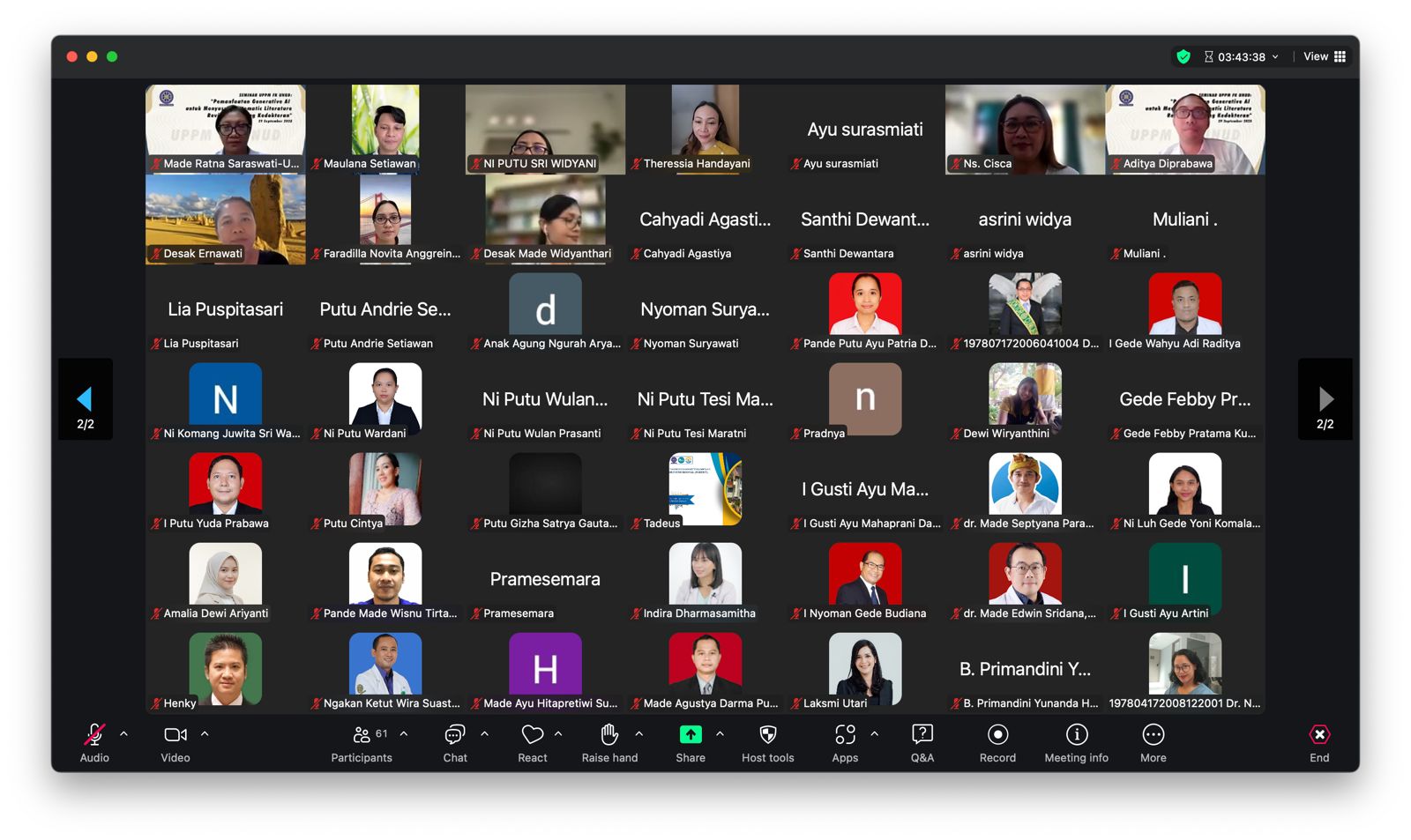
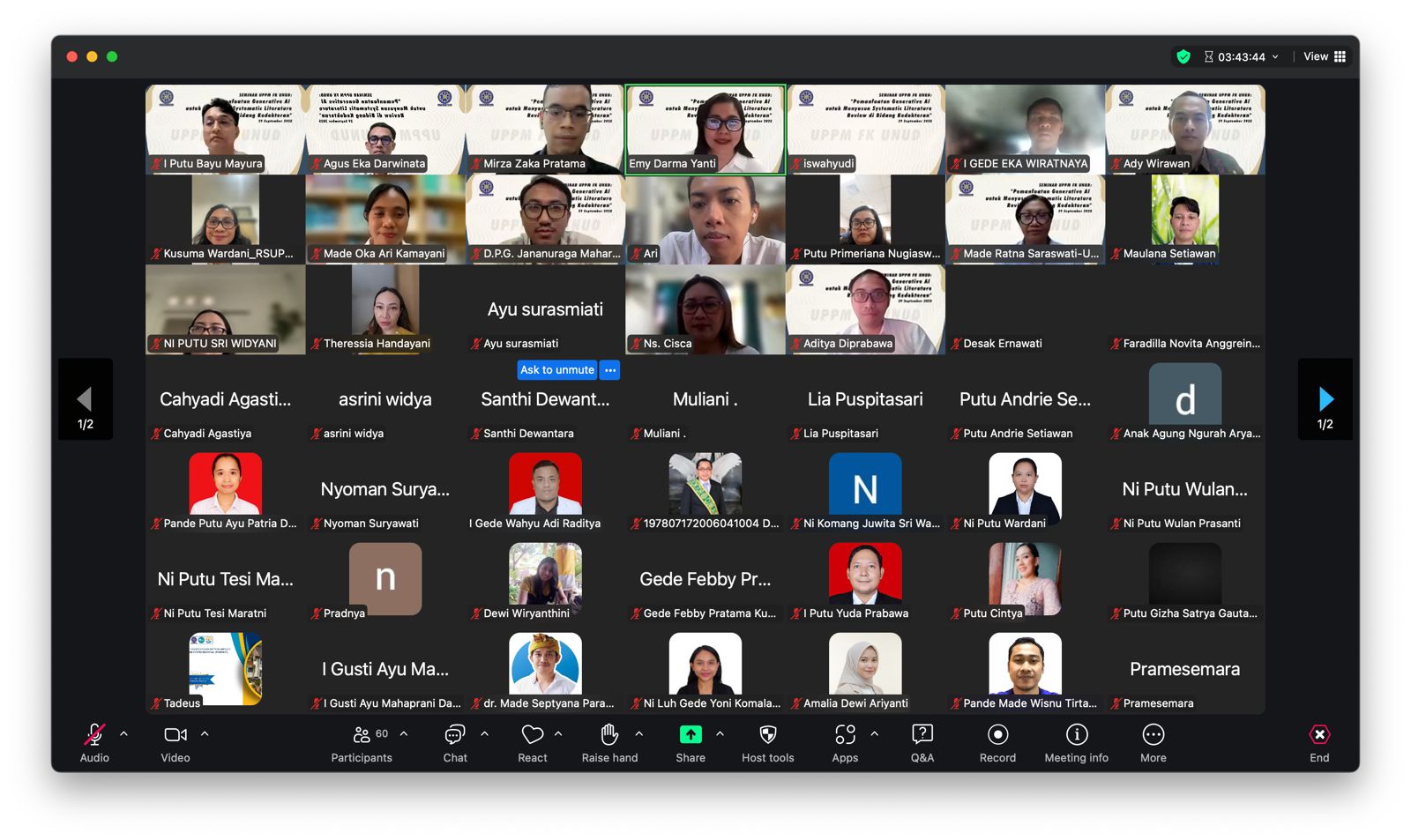
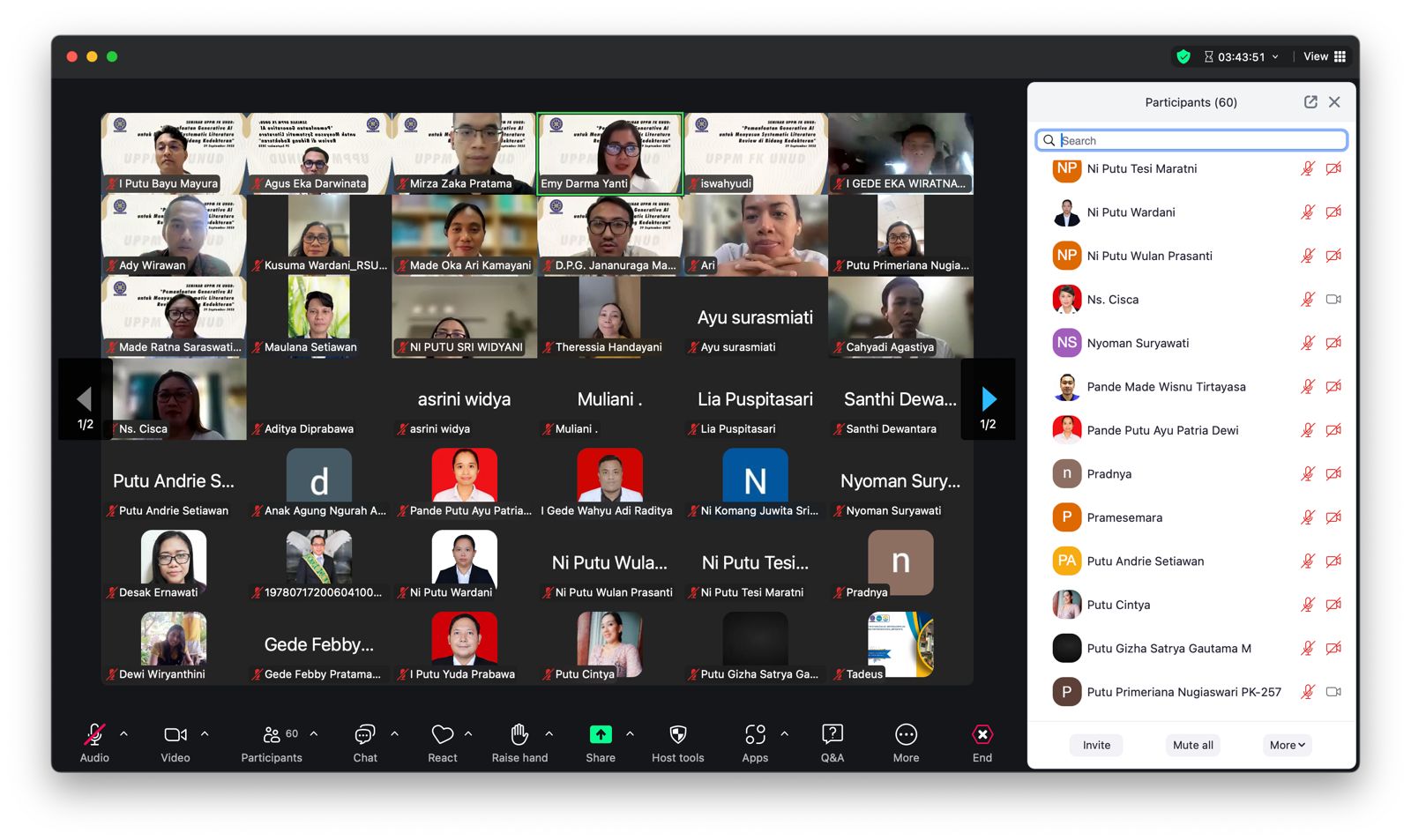
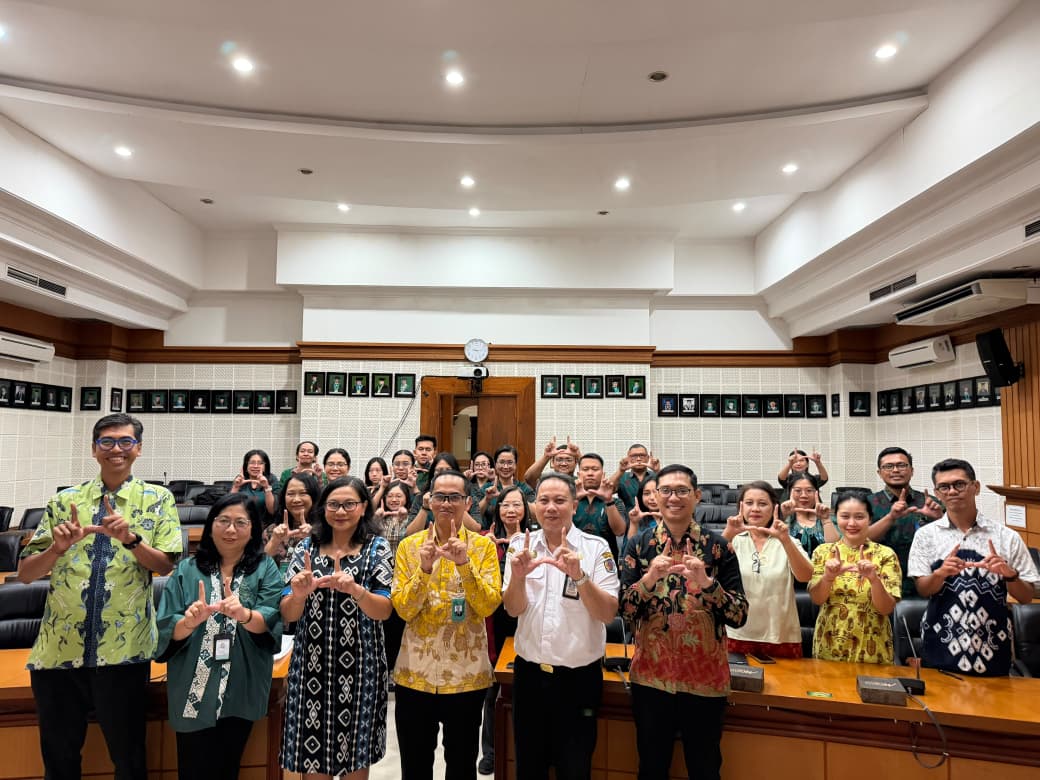
The Research and Community Service Unit (UPPM) of the Faculty of Medicine, Udayana University, held an online seminar titled "Utilizing Generative AI to Compile Systematic Literature Reviews" on Monday, September 29, 2025. The event was attended by 109 participants, consisting of lecturers and students from the Faculty of Medicine, Udayana University.
The Chair of the Committee and Coordinator of the Research and Community Service Unit (UPPM) of the Faculty of Medicine, Udayana University, Dr. Agus Eka Darwinata, Ph.D., stated in his report that this activity aimed to provide new insights and skills related to the use of artificial intelligence technology in scientific publications, particularly systematic literature reviews in the medical field.
The seminar was officially opened by the Dean of the Faculty of Medicine, Udayana University, Prof. Dr. dr. I Gede Eka Wiratnaya, Sp.O.T., Subsp.Onk. Ort R (K). In his remarks, he emphasized the importance of using Artificial Intelligence (AI) wisely and responsibly. "AI technology, particularly generative AI, can be a very useful tool for researchers. However, its use must be accompanied by ethics, integrity, and critical understanding," he said.
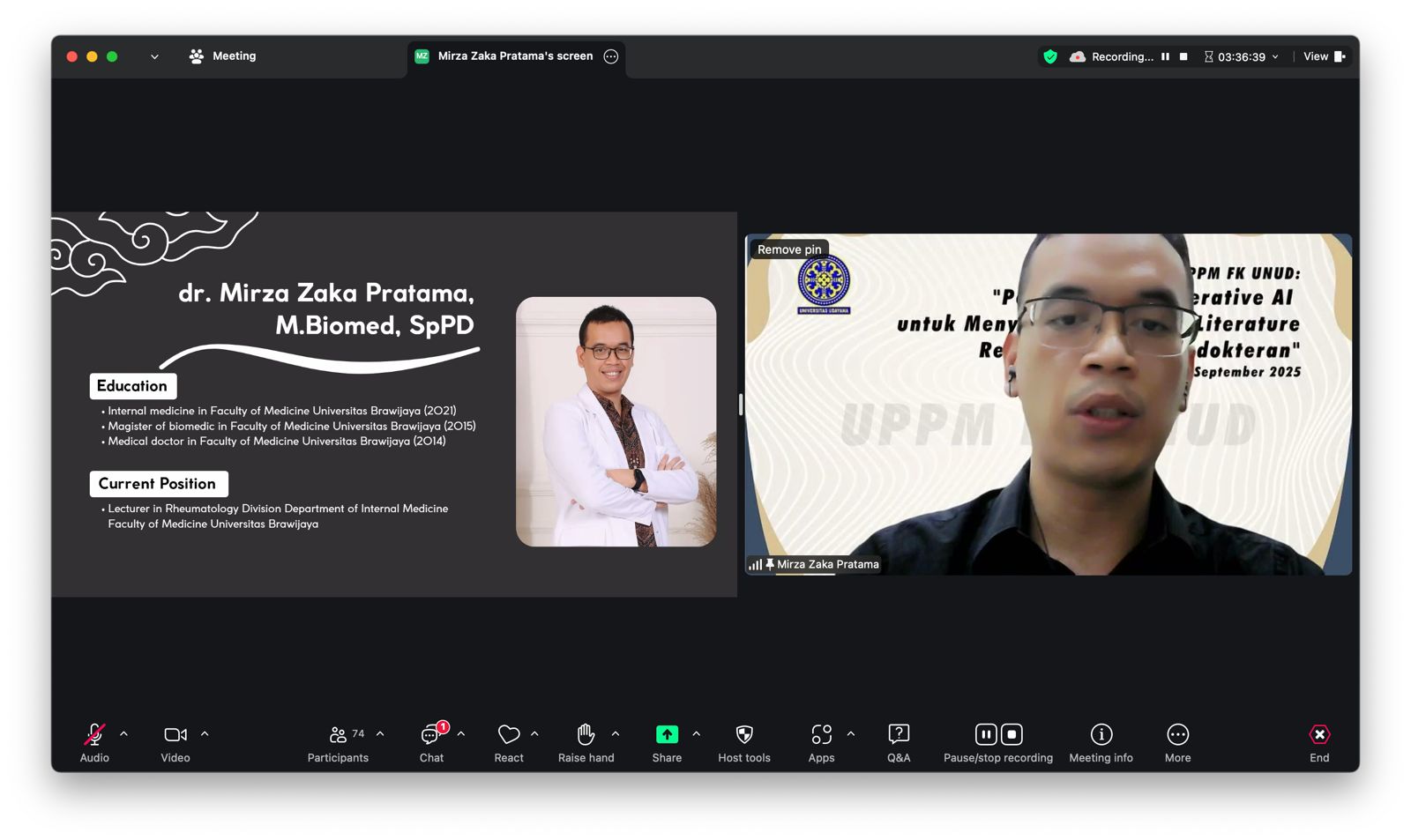
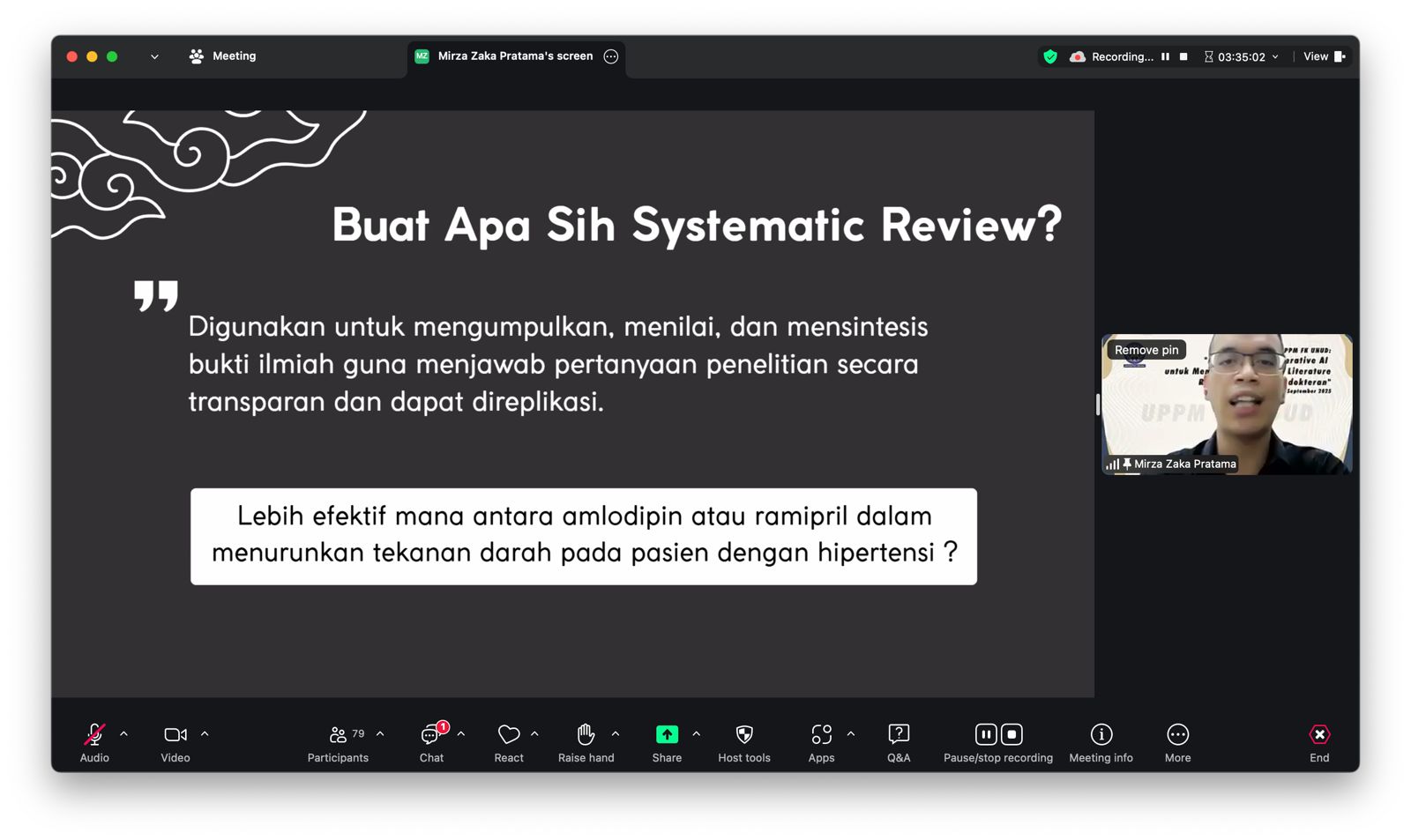
The main seminar topic was presented by Dr. Mirza Zaka Pratama, Sp.PD, M.Biomed., from the Department of Internal Medicine, Faculty of Medicine, Brawijaya University. He explained how generative AI can accelerate the process of compiling Systematic Literature Reviews (SLRs) through managing literature data, developing research frameworks, and assisting with synthetic analysis.
"Generative AI does not replace the role of researchers, but supports efficiency and broadens perspectives in producing quality scientific work," he explained.
The interactive discussion that followed the presentation demonstrated the enthusiasm of the participants. Many questions were raised, ranging from technical aspects of AI use, ethical challenges, to the prospects for AI application in medical research.
This seminar is expected to open up space for innovation while increasing the capacity of lecturers and students in optimizing AI technology to support research progress in the health sector.
Gallery

UDAYANA UNIVERSITY