 ENG
ENG
 INA
INA
The Faculty of Medicine, Udayana University, Holds Dissemination of Research Results: Study of Barriers and Supporters in the Implementation of the Minimum Initial Service Package (MISP) for Reproductive Health during the Health Crisis in Bali

The Faculty of Medicine, Udayana University, Holds Dissemination of Research Results: Study of Barriers and Supporters in the Implementation of the Minimum Initial Service Package (MISP) for Reproductive Health during the Health Crisis in Bali
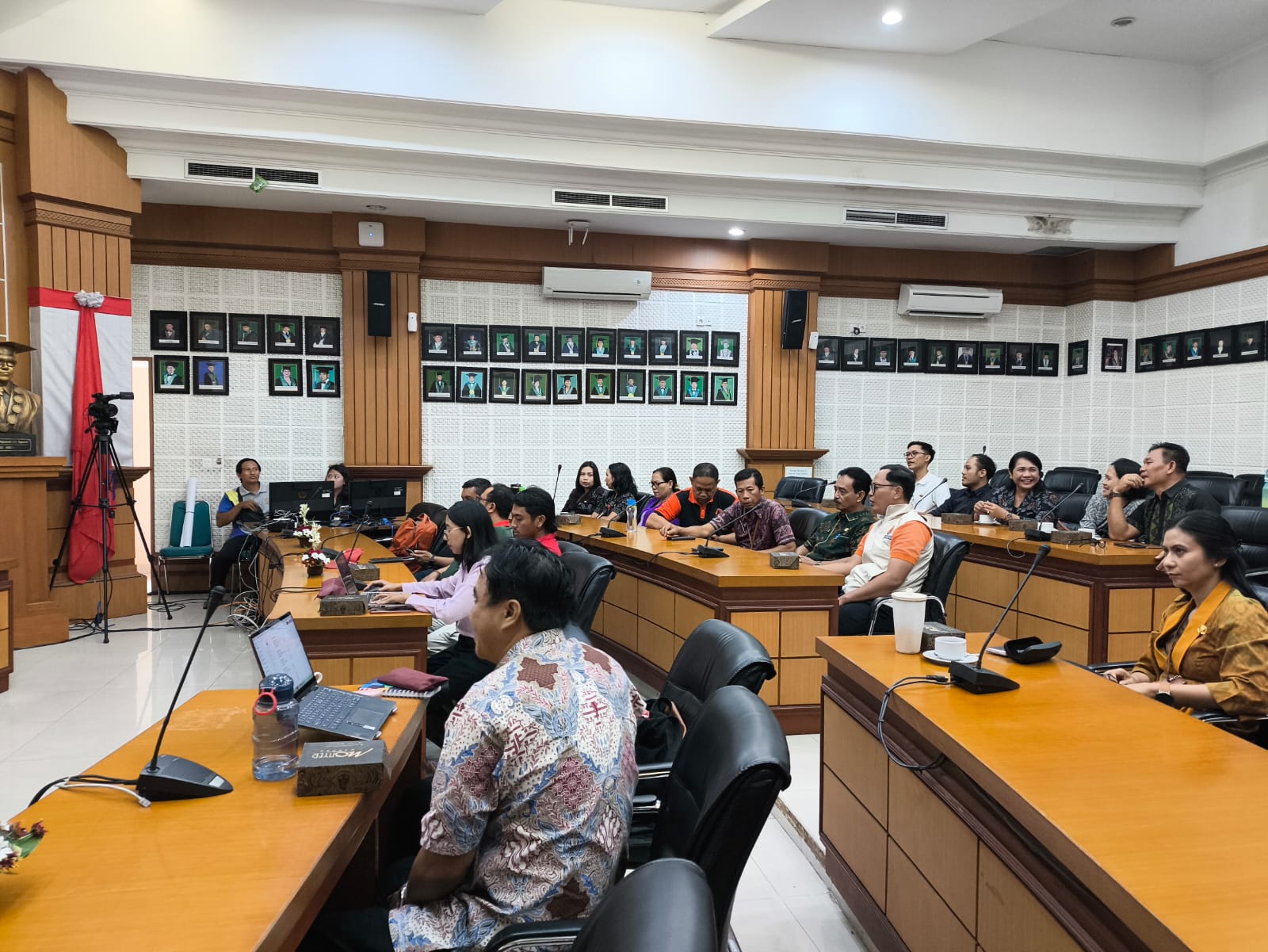
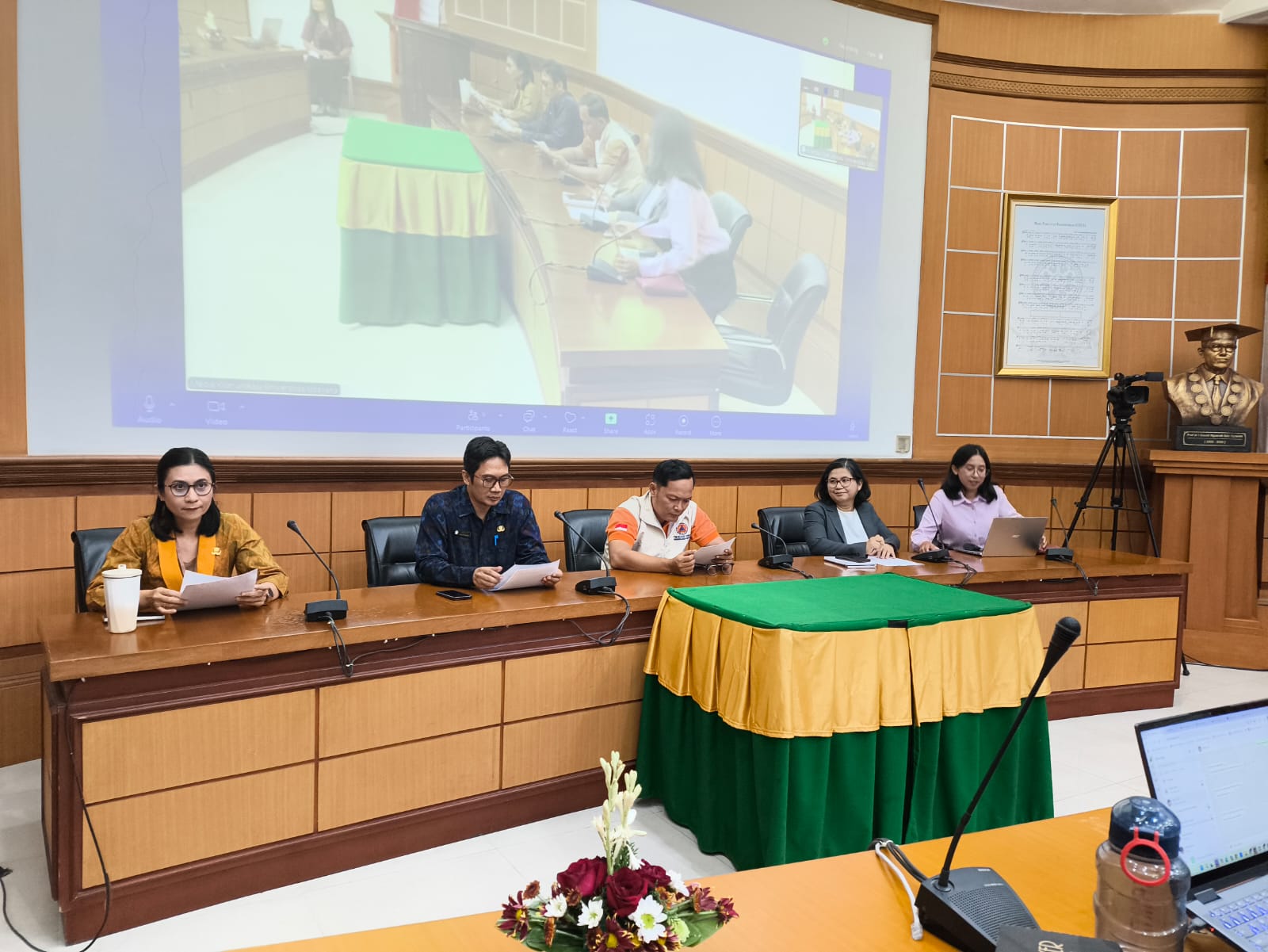
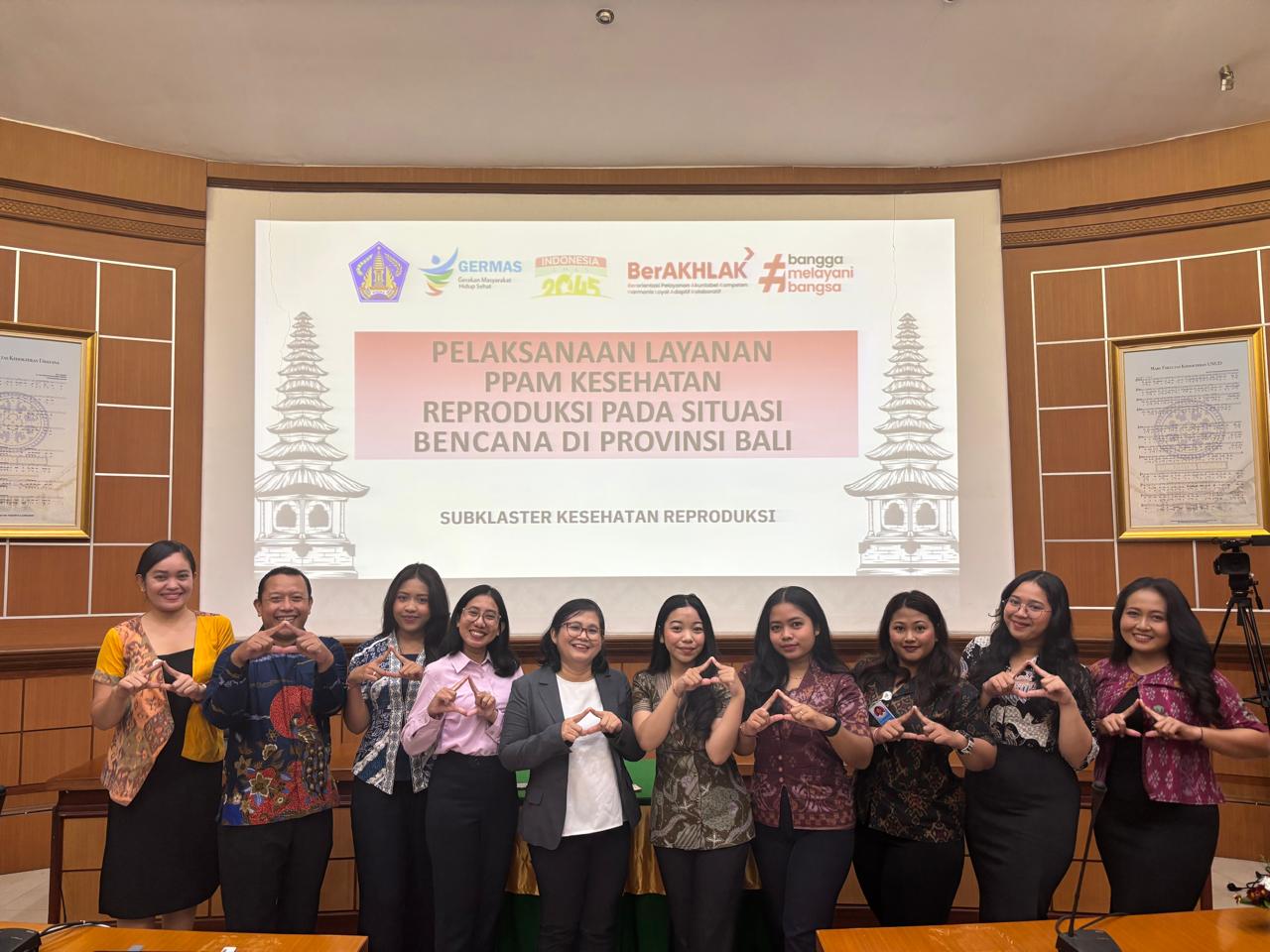
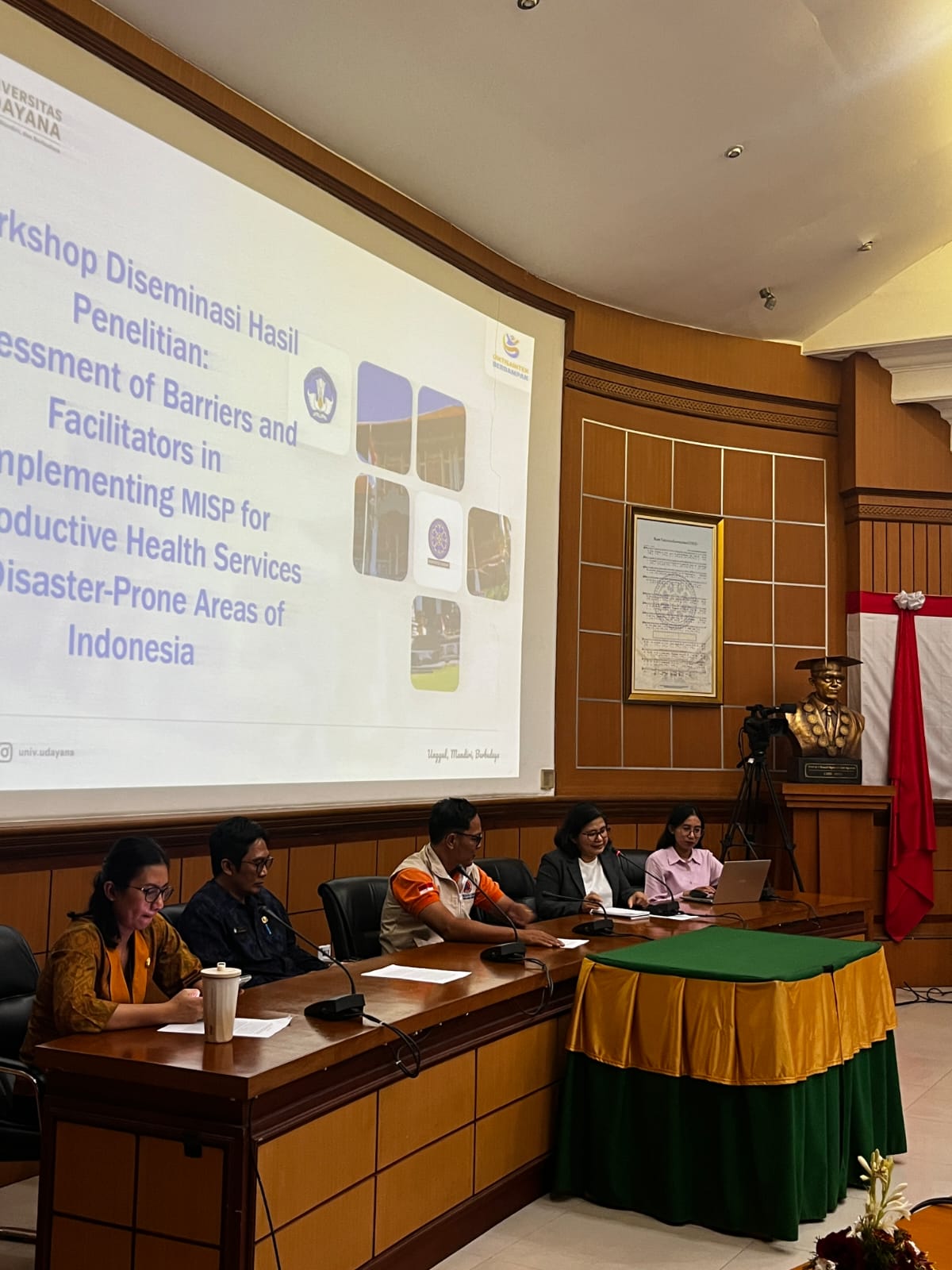
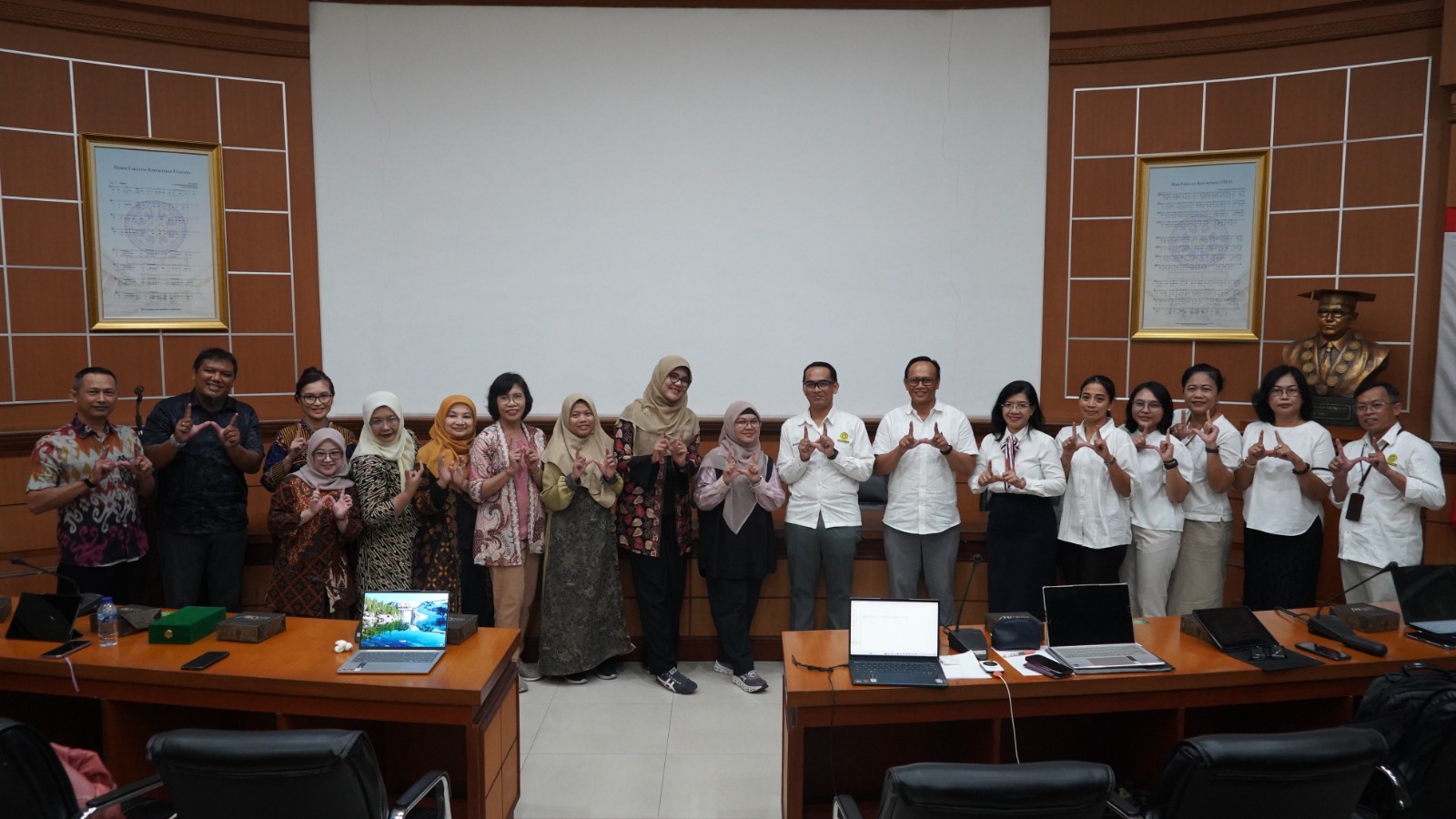
The Faculty of Medicine, Udayana University (FK Unud), through the Department of Public Health and Preventive Medicine (KMKP), held a Research Dissemination Workshop on "Study of Barriers and Supporters in the Implementation of the Minimum Initial Service Package (MISP) for Reproductive Health during the health crisis in Bali." (September 26, 2025)
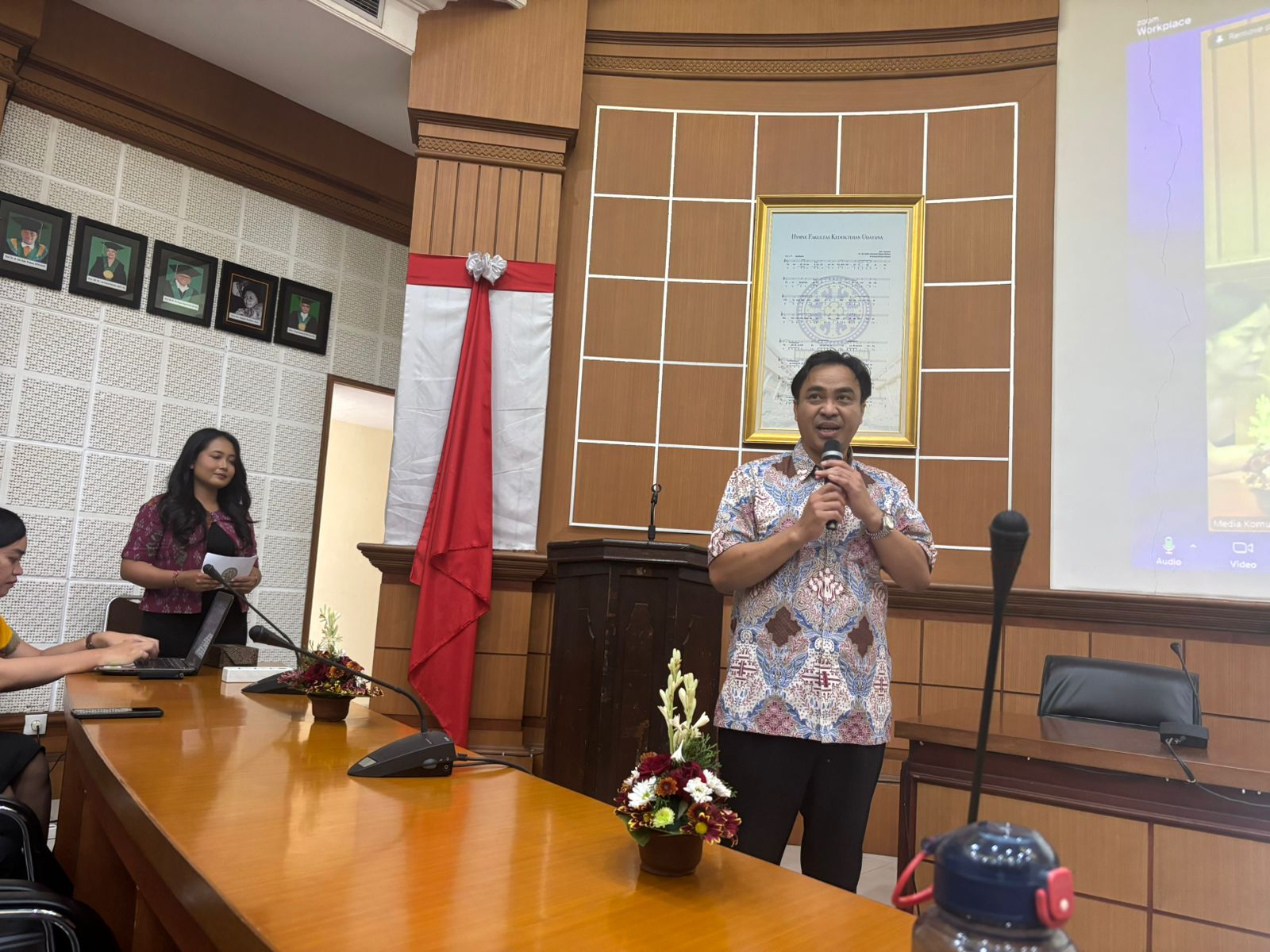
The event, held in the Prof. Ngoerah Meeting Room of the Faculty of Medicine, Udayana University, was opened by the Vice Dean for General Affairs and Finance of the Faculty, Dr. dr. I Made Muliarta, M.Kes. In his remarks, he emphasized that this event was excellent because it brought together bureaucrats and practitioners with researchers from the university. The bureaucrats and practitioners, who are more familiar with the situation on the ground, were enriched by the research conducted by the FK UNUD staff. It is hoped that this multi-sector collaboration will strengthen the implementation of MISP for Reproductive Health during the crisis in Bali.
Today's meeting was a follow-up to phase I research led by Dinar Saurmauli Lubis, SKM, MPH, PhD, with support from the Center for Tropical Medicine at Gadjah Mada University. The workshop brought together stakeholders involved in disaster management efforts from the Bali Province, Buleleng Regency, Badung Regency, and Jembrana Regency, including the Regional Disaster Management Agency (BPBD), the Health Office, the Community Empowerment and Prevention Agency (DP3A), the Indonesian Red Cross (PMI), professional organizations, and development partner institutions such as the Kerti Praja Foundation.
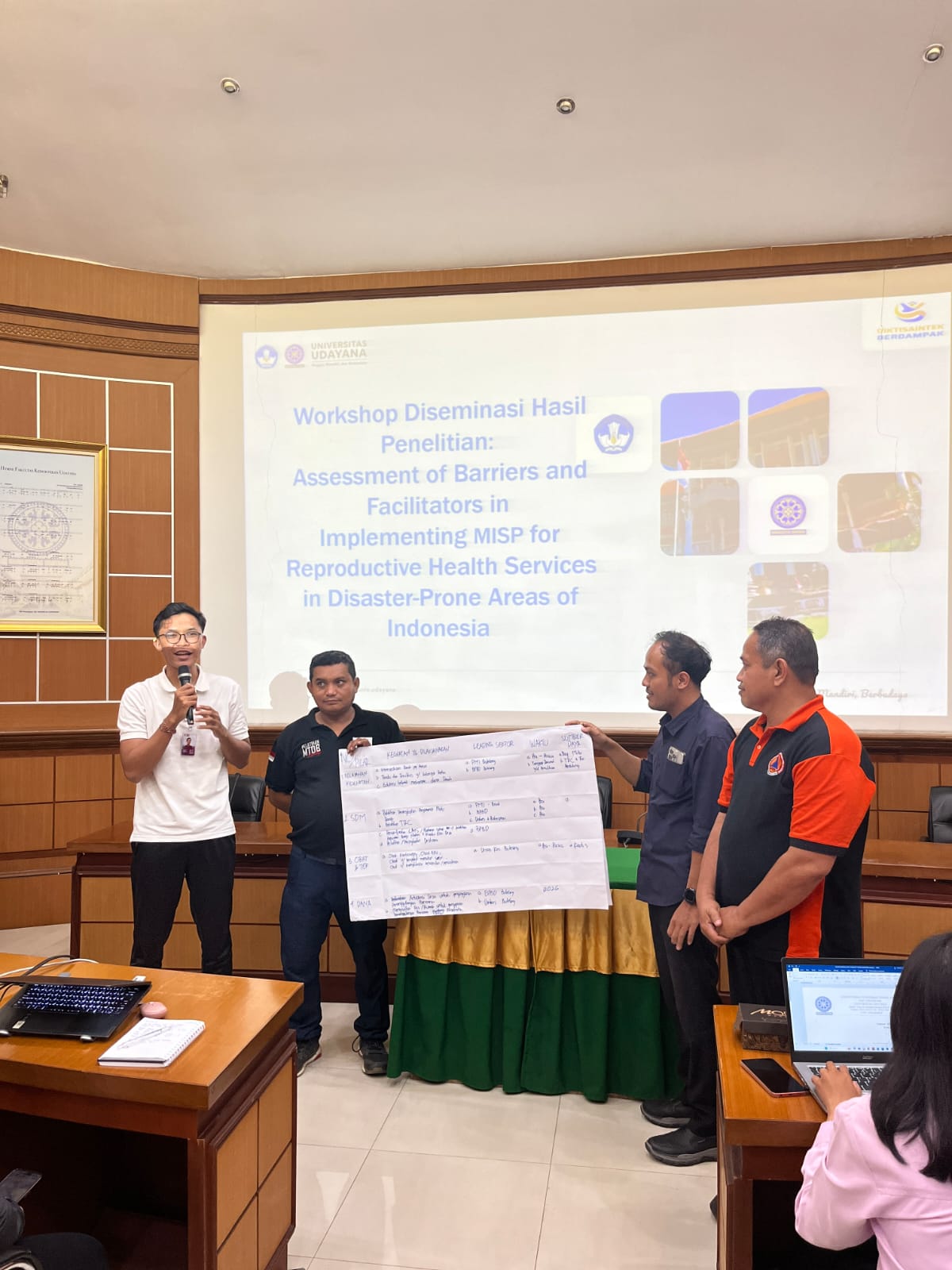
In the panel session, speakers presented material related to disaster management coordination, health crisis management strategies in Bali, and the implementation of Reproductive Health MISP services in disaster situations. The study showed that while the implementation of MISP in Bali already has a regulatory framework through the establishment of a reproductive health sub-cluster, its implementation remains fragmented, faced with various obstacles such as limited funding, logistical readiness, and suboptimal human resource capacity to implement contingency plans.
The Bali Provincial Health Sub-Cluster Coordinator emphasized the importance of this research as one of the materials in developing a policy brief for strengthening MISP services in Bali. This Policy Brief is crucial as a basis for proposing human resource capacity building activities and optimizing multi-sector coordination to ensure reproductive health services for vulnerable groups—pregnant women, newborns, adolescents, and the elderly—are guaranteed during crises.
This activity also produced a draft action plan for implementing the MISP at the provincial and district levels, which is expected to improve Bali's preparedness in providing inclusive reproductive health services in crisis situations.
"The involvement of various stakeholders through a pentahelix approach is key to ensuring reproductive health services continue to operate in emergencies," said one of the researchers.
The workshop concluded with the development of a cross-sectoral follow-up plan, affirming a shared commitment to strengthening the reproductive health system during disasters in Bali.
Gallery
UDAYANA UNIVERSITY